
Last updated November 23, 2026
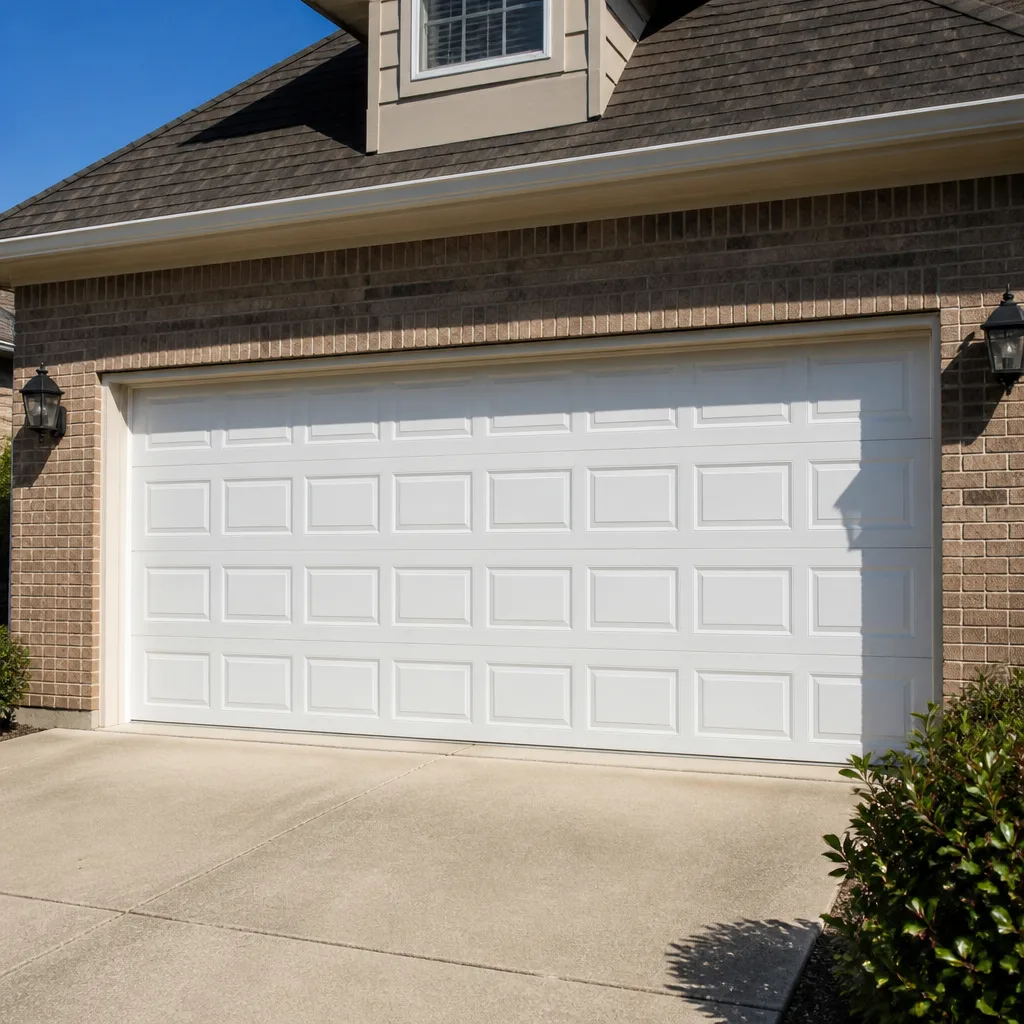 Raised-panel steel
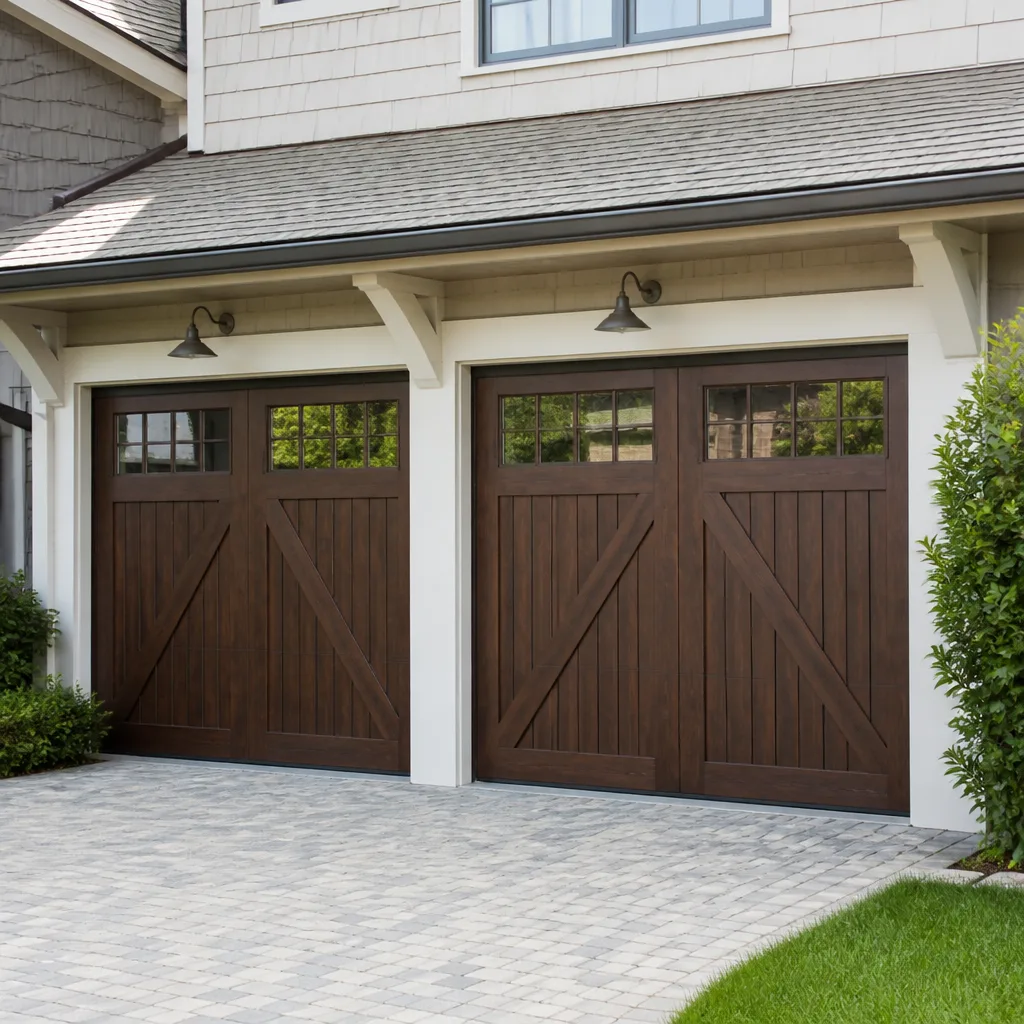 Carriage house
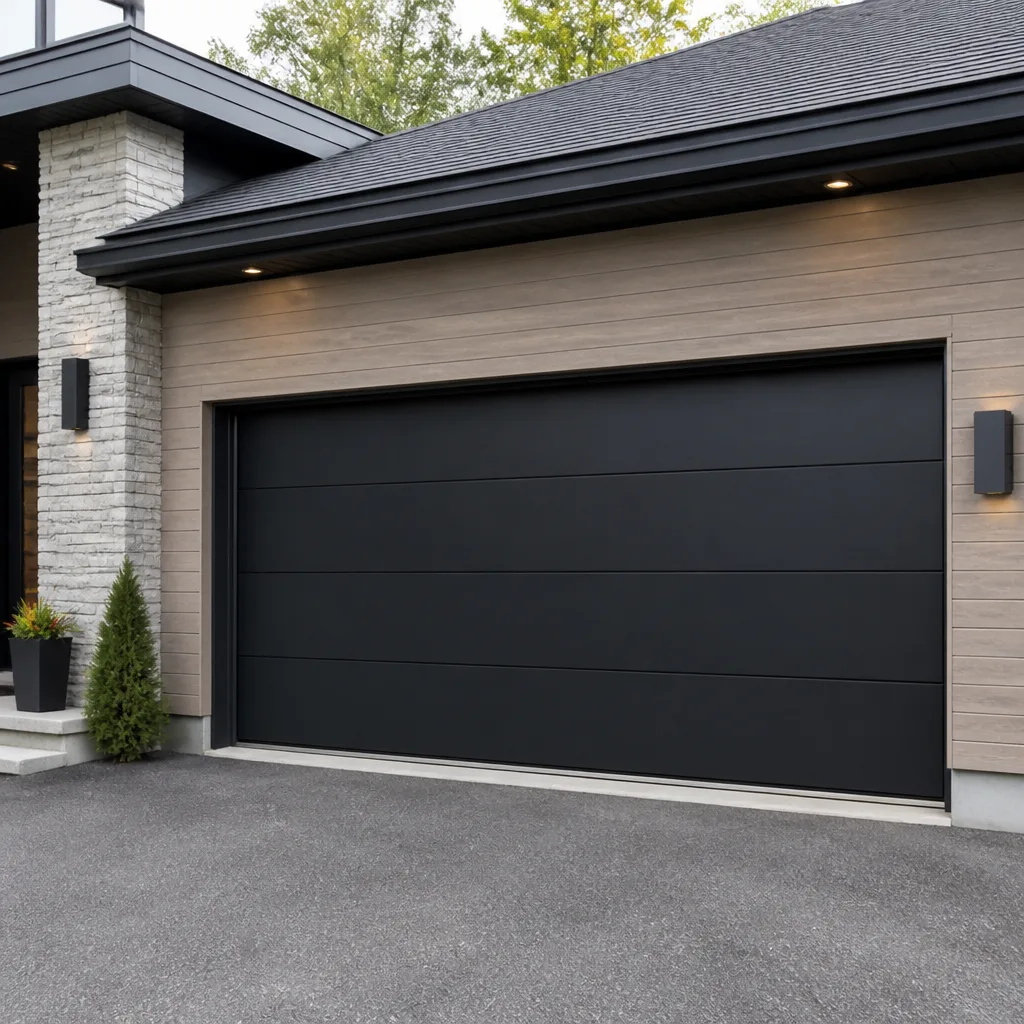 Modern flush
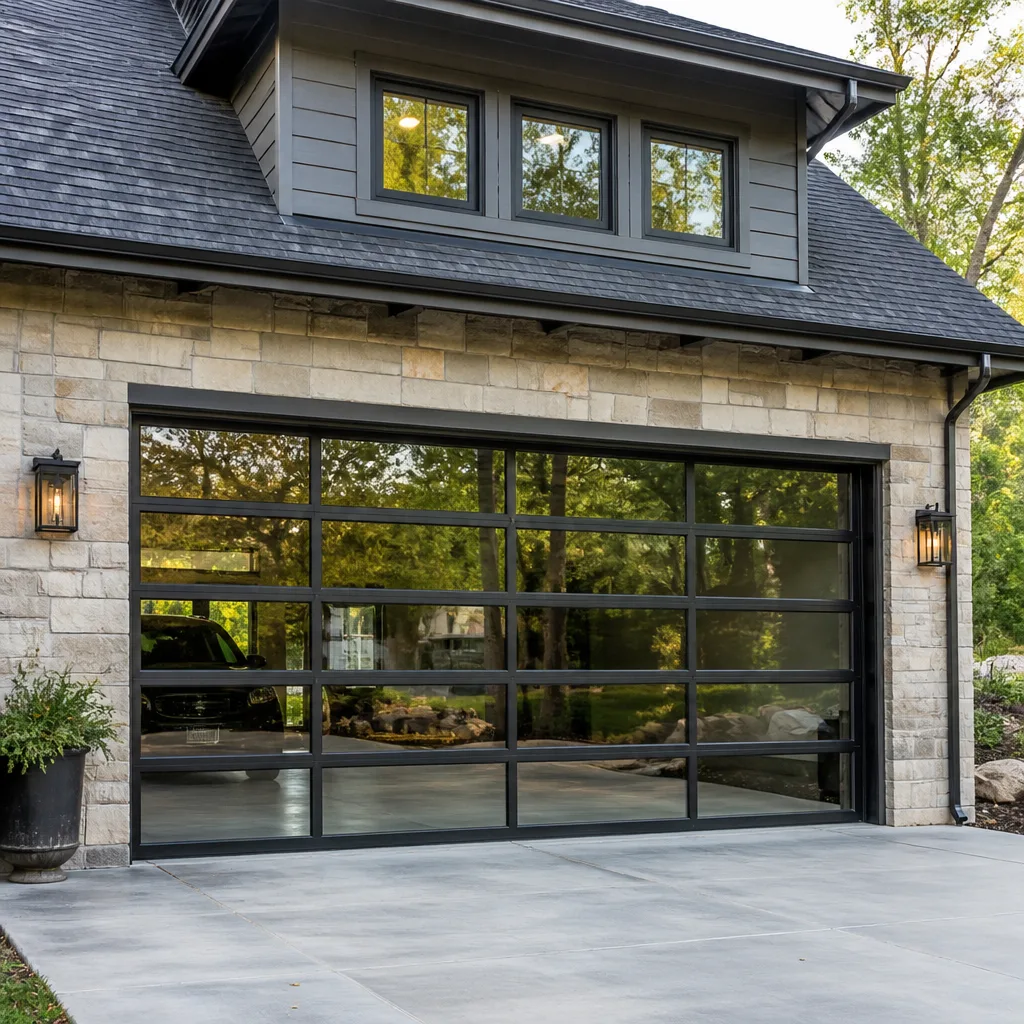 Full-view glass
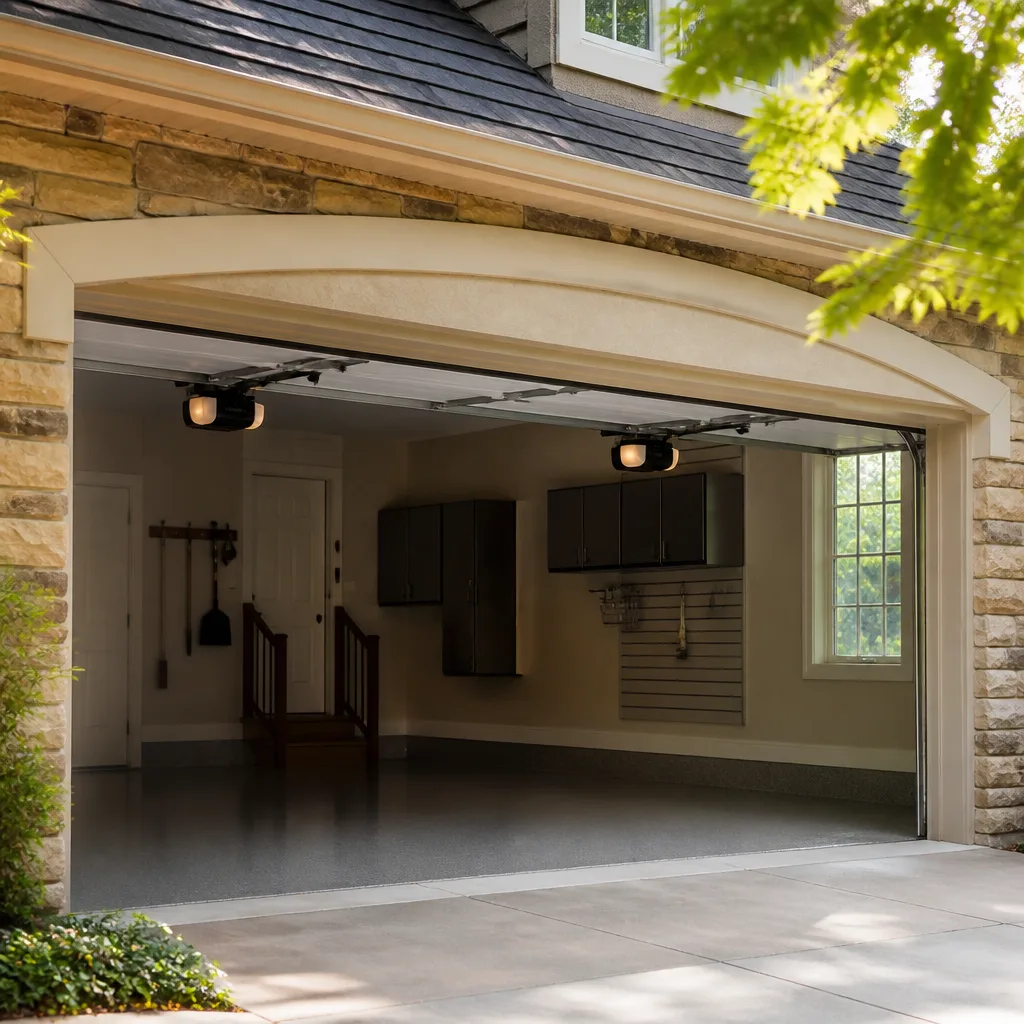 LiftMaster openers
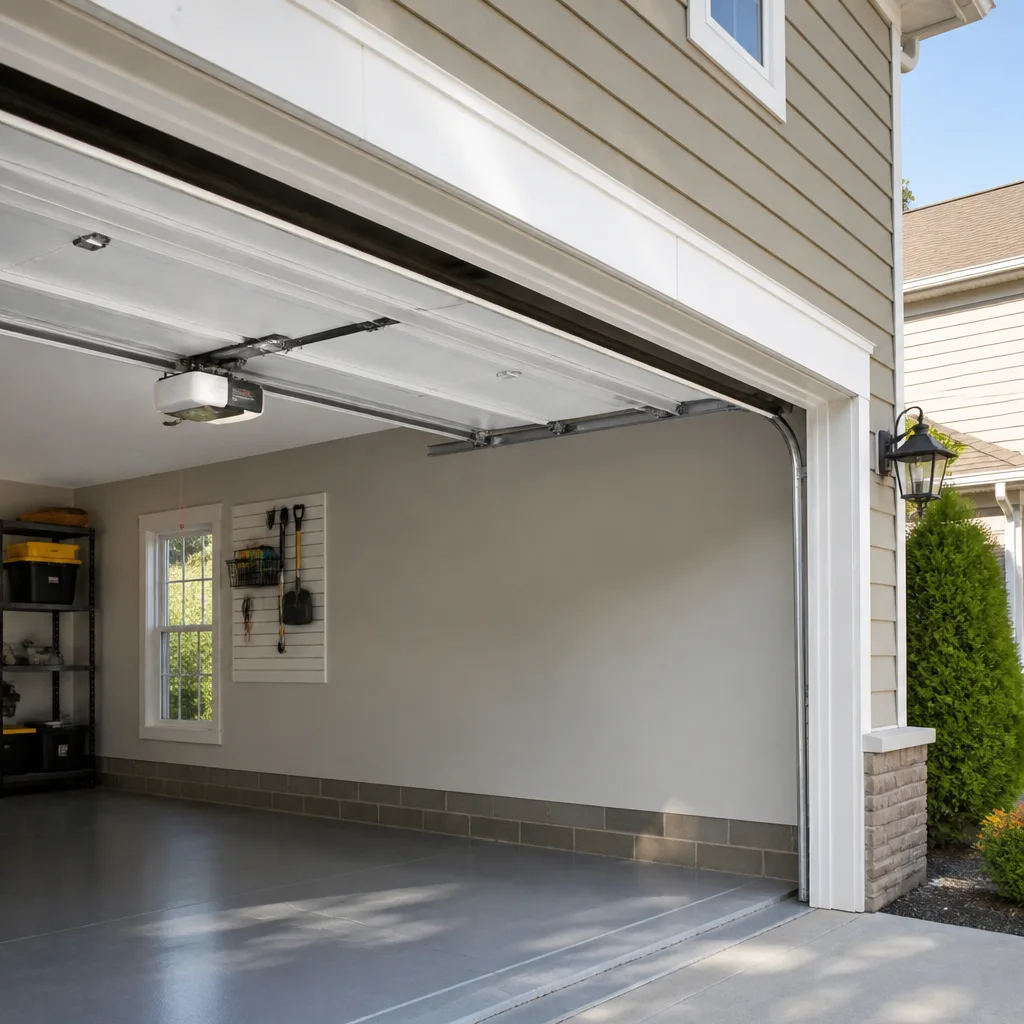 Chamberlain openers
Full 25-point door and opener safety check with every visit - springs, cables, rollers, tracks, and your LiftMaster or Chamberlain opener included
You get a price before we start. It does not change when the pro arrives.
Get your free estimateSeasonal Garage Door Care for North Miami: Year-Round Homeowner’s Guide
Here’s what most homeowners in North Miami get wrong about garage door upkeep: they follow advice written for places with four seasons. But North Miami doesn’t have four seasons. It has two. From June through November you get the wet, wind-driven hurricane season. From December through May you get the drier stretch, and a couple of those months are cooler than the rest. That’s the whole calendar, and each half of it stresses a different part of your door system. Spring coils that have to work in high humidity behave differently than springs that live through a hard freeze. A guide that tells you to “winterize” your door simply doesn’t apply here. What you need is a care calendar built around South Florida’s actual weather cycle, and that’s what this guide gives you.
We work on garage doors all over North Miami, a city where the mix of older single-family homes and newer townhouse projects means we see everything from basic single-car doors to heavy insulated panels on two-car garages. That local mix shapes what we tell people to watch for.
By the end of this guide, you’ll know exactly what to check in each part of the year, how to prep for a storm watch, what hidden damage the stormy months can leave behind, and why the humidity here quietly shortens the life of hardware, springs, and opener electronics. You’ll also learn when a job is a reasonable DIY check and when it belongs in the hands of a trained technician.
Styles & brands we work with
- Raised-panel steel
- Carriage house
- Modern flush
- Full-view glass
- LiftMaster openers
- Chamberlain openers
Quick Answer
Seasonal garage door care in North Miami means preparing the door before hurricane season starts (June 1), securing and bracing it during the June-through-November storm months, and inspecting for hidden damage during the calmer December-through-May stretch. The single best window to prepare is February through May, before storm season arrives, because that’s when you can inspect hardware, verify wind-load capacity, test the manual release, and confirm your opener has backup power without racing a watch deadline. Year-round, the biggest silent threat isn’t wind at all: it’s the steady humidity, which corrodes interior metal and shortens the life of opener circuit boards. Handle those three fronts and your door stays reliable in a way generic “seasonal” advice never gets to.
Table of Contents
- Why North Miami Needs Its Own Garage Door Calendar
- The Pre-Hurricane Season Checklist: February Through May
- Hurricane Season Protocol: What to Do When a Watch Is Issued
- Dry-Season Recovery: Inspecting for Hidden Micro-Damage
- Year-Round Humidity and Rust on Metal Hardware
- Opener Electronics and Florida Heat
- A Simple Monthly and Yearly Routine
- Common Mistakes to Avoid
- When to Call a Professional
- Frequently Asked Questions
- The Bottom Line
Why North Miami Needs Its Own Garage Door Calendar
Most garage door maintenance advice you’ll read online was written somewhere that gets real winters. That advice assumes the enemy is cold: ice in the tracks, frozen springs, snow load on the panels. None of that applies in North Miami. Here the door system faces a different set of forces, and they’re spread unevenly across the year.
Think about what your door actually deals with. Summer brings heat that rarely breaks, and humid air that hangs around for months on end. Then comes the storm season. From June 1 through the end of November, a wind-driven rainstorm can test every bolt, hinge, and roller on a door that hasn’t been touched. What a lot of homeowners don’t realize is that a garage door is the largest moving object on most homes. When a storm brings strong wind to a North Miami neighborhood, a door that’s slightly loose or unbalanced takes far more of that force than a door that’s tight and true.
The dry stretch from December through May is when the real discovery happens. That’s when damage you couldn’t see during the storm months, a bent track, a roller that came slightly out of alignment, a hairline crack in a hinge, becomes obvious. And it’s the same window when the smart homeowner goes on offense and gets everything ready for the next season.
The reason this matters is simple. Worn hardware doesn’t just fail on its own schedule. It accelerates wear on the springs and cables, which are the most mechanically sensitive parts of the whole system. A door that’s out of balance has to work harder to open and close, and that extra work gets paid for by the springs. So a tiny alignment problem discovered in January can save you a much bigger repair down the road.
Here’s the short version of the North Miami year:
- February through May: Prep season. Inspect, tighten, test, verify, and plan.
- June 1: Hurricane season opens. The work you did in the spring is your insurance.
- June through November: Storm season. Monitor, secure, and stay ready.
- December and January: Recovery. Look for damage you couldn’t see before.
- All year: Manage humidity and heat. These don’t take a season off.
That’s the calendar. It’s shorter than the four-season version, but it’s honest about what your door actually faces in this city. Everything below works through each part of it.
The Pre-Hurricane Season Checklist: February Through May
February through May is the window that most North Miami homeowners miss entirely, and it’s the most important one. June 1 marks the start of hurricane season, so trying to prepare once a storm watch is already posted puts you in a rush with a line at the hardware store. The calm of late winter and spring is when you can take your time and do it right. Here’s the order to work through.
1. Check the wind-load information on your door. Garage doors carry a wind rating based on how much pressure they can withstand. This information is usually on a label attached to the door, and it’s worth knowing it before you ever need it. If your door was installed by an earlier owner and you don’t have the paperwork, look for the manufacturer’s label on the inside of a panel. Brands like Clopay and Amarr publish wind-load ratings for their product lines, and knowing your door’s model helps you find the right information. If you can’t locate a label, a technician can usually identify the door and tell you what it’s rated for.
2. Inspect the hardware for tightness and wear. Walk the width of the door and look at every bolt, hinge, and bracket. Vibration from normal use loosens fasteners over the months. A wrench and a moment of attention go a long way. Look also at the rollers: worn rollers make the door rattle and can allow the panels to shift.
3. Verify the balance of the door. Disconnect the opener first by pulling the manual release. Then lift the door by hand about halfway and let go. A balanced door should hold its position on its own. If it drops or creeps, the springs are losing tension, and that’s a job to leave to a trained professional.
4. Test the manual release. This is the one thing you’ll need if the power fails and the opener won’t lift the door. Pull the release to confirm the door detaches from the opener, and re-engage it afterward. Practice this before a storm, not during one.
5. Confirm your opener has backup power. Modern openers often have a battery backup option that lets you open the door even when the grid is down. If your opener is a LiftMaster or Chamberlain model, check whether it has battery backup installed, or whether the model supports it. Older openers may not. This is a detail that makes a huge difference during an extended outage.
- Locate and record your door’s wind-load label and model.
- Tighten all bolts, hinges, and brackets.
- Test the balance with the door disconnected.
- Practice the manual release.
- Confirm or add opener battery backup.
- Schedule any repair the inspection turns up, well before June.
If any single item on this list turns up something you’re not comfortable with, spring work in particular, don’t put it off and don’t force it. A garage door spring repair visit in April costs far less stress than an emergency in July. We answer 24/7 if something needs attention sooner.
Hurricane Season Protocol: What to Do When a Watch Is Issued
When a storm watch or warning is issued for North Miami, your garage door moves from “appliance” to “part of the building envelope.” The door is a large unbraced panel with the whole wind pressure of the storm behind it. Here’s how to handle it calmly, in order.
First, secure anything on the approach to the door. Patio furniture, trash cans, and anything else that can become airborne should be brought inside or tied down. A loose object driven by wind into the door can damage a panel, and the door can’t protect the opening if the panel cracks.
Second, make sure the door is fully closed and latched. Never leave a garage door partially open during a storm watch. A partly open door concentrates wind under the panel and puts far more stress on the tracks and springs than a closed door does. Confirm the opener has fully seated it and that the lock, if you have one, is engaged.
Third, know how to brace if this is your practice. Some homeowners reinforce the back of the door with bracing hardware designed for exactly this. If your door has a proper bracing system or a wind-load kit installed, confirm the components are all present and tight. Don’t improvise with objects leaned against the door; a loose brace can do more damage than it prevents.
Fourth, charge the backup and keep the release ready. Make sure your opener’s battery backup is charged, and keep a flashlight near the manual release. If the power fails after the storm, you’ll need both.
During the storm itself, keep the door closed and don’t open it, even to check on the car. The door is doing its job only when it’s down.
If a door is damaged during a storm, whether a panel is dented, a track is bent, or the opener won’t respond afterward, that’s when to call. Emergency service is one of our named core services, not an add-on. We answer 24/7, with fast dispatch from 7am to 7pm, Sunday through Friday. A call outside dispatch hours gets booked into the next opening. If your door is stuck after a storm, you don’t have to wait for a regular appointment slot to reach someone.
Dry-Season Recovery: Inspecting for Hidden Micro-Damage
December and January are the recovery months in North Miami. The storm season is winding down, and the air is a little cooler and often drier. That’s the window to look for the damage you couldn’t see while it was happening. We’ve learned that the most expensive failures usually trace back to something small that went unnoticed through a whole wet season.
What does hidden damage look like? Here’s where to look.
- Track alignment. After months of a door flexing under wind pressure, the vertical tracks can drift slightly out of plumb. Look down the length of each track from the side; any bend or bow shows up clearly. Misaligned tracks make the door bind and overwork the opener.
- Panel and hinge stress. Look along the seams of each panel and at the hinges between them. Small cracks, gaps, or flattened hinge plates mean the panels took more stress than they were designed for. Catching this early avoids a full-panel replacement later.
- Roller condition. Rollers wear gradually. By the end of a storm season, a roller that looked fine in May can be flat-spotted or loose. Look for play, wobble, or any noise when the door rolls.
- Spring tension. This is the quiet one. Springs that were fine in the spring can lose tension over a season of extra work. Do the balance test again in December; if the door has become heavy or drops when released, it’s time for a professional spring check.
- Weather seal. The seal along the bottom and sides of the door takes the direct hit of wind-driven rain. Check for cracks, gaps, or a seal that’s pulled loose. A failing seal lets water into the garage and can shorten the life of anything stored there.
Here’s the recovery routine in numbered form:
- Inspect both vertical tracks for bend or drift.
- Look for cracks at every panel seam and hinge.
- Check rollers for wobble, noise, or flat spots.
- Re-run the balance test with the door disconnected.
- Examine the bottom and side weather seals for gaps.
- Note anything that needs professional attention and schedule it before February.
The reason this matters so much is that these small problems compound. A slightly misaligned track puts uneven stress on the springs. Uneven spring stress shortens their life. A failing spring is a serious safety issue, and it’s the most dangerous part of the whole door mechanism. Finding the micro-damage in December is how you avoid dealing with a snapped spring in the middle of the next season. If your inspection points to the door itself rather than a single part, that’s where a full garage door repair evaluation pays off.
Year-Round Humidity and Rust on Metal Hardware
This is the part of garage door care that doesn’t fit neatly into a season because it never stops. North Miami is humid for most of the year, and that humidity does its quiet work on the metal parts of your door system every single day. Homeowners moving here from drier climates often miss it entirely because they expect a “dry season” to reset things. It doesn’t.
What actually happens is condensation. Moisture in the air settles on any surface that’s cooler or that attracts it, and the metal hardware inside your garage is a prime target. Bolts, hinges, brackets, the track, and the spring coils themselves all collect condensation under the right conditions. That repeated moisture exposure leads to surface rust, and rust on a hinge or a fastening point is more than cosmetic. It changes the surface, weakens the metal over time, and can cause a bolt to seize or a hinge to bind.
On the spring coils, rust is a particularly bad sign. A spring works by flexing thousands of times, and any surface corrosion creates a weak point. That’s exactly the kind of place where a coil can fail. So keeping interior metal dry is not about appearance. It’s about safety and lifespan.
What you can do about humidity, on a schedule:
- Check and address condensation spots. Any place where you notice moisture gathering, whether on the track or the brackets, needs attention. A quick visual inspection once a month keeps this in view.
- Keep the garage ventilated. Airflow is your simplest tool against condensation. If your garage stays sealed tight year-round, the moisture inside settles on the coldest metal. Opening it when the outside air is dry helps.
- Watch the fasteners. A bolt that starts to rust can freeze in place. If you see rust forming on bolt heads or hinges, note it and have it looked at before it becomes a stuck fastener that takes more time to fix.
- Rust on the spring coils is a call-us situation. Don’t try to treat it yourself. The coils are under significant tension, and only a trained technician should be within arm’s reach of them.
We work with doors from Wayne Dalton and Craftsman on a regular basis, and both are built with metal hardware that responds the same way to sustained humidity. The manufacturer isn’t the variable; the moisture is. And because North Miami doesn’t get a true dry season that resets everything, this is a habit rather than a once-a-year event. Look at the metal, note any condensation or surface rust, and act on it early. If you need a professional eye on the interior hardware, our garage door opener repair technicians can also check the surrounding hardware as part of the visit.
Opener Electronics and Florida Heat
Your garage door opener is a small computer strapped to the ceiling, and in North Miami it lives in one of the hottest places in the house. The garage gets less airflow than the rest of the home, and the roof above it takes the sun all day. Electronics that run hot run tired. That’s the simple reason openers here can have a shorter effective life than the same opener installed in a cooler place.
What does heat damage actually look like inside an opener? The circuit board, the component that runs the motor and the radio, is the most heat-sensitive. Sustained heat can cause solder joints to crack, capacitors to fail, and the board to behave inconsistently. The motor itself also carries thermal load, and a motor that’s struggling is a motor that’s working against heat. The results show up as quirks: the door opens fine in the morning then acts sluggish in the afternoon, the remote works one day and not the next, or the opener beeps or flashes a diagnostic code it never used to show.
What you can do to protect the opener in this heat:
- Watch for heat-related behavior. If the door acts up on hot afternoons and behaves on cooler mornings, heat is likely involved. Note the pattern; it’s useful information for a technician.
- Keep the opener’s vents clear. Dust and debris collect around the opener and block its cooling. A quick clear-out keeps air moving.
- Don’t ignore repeated diagnostic codes. A code that shows up once is a data point. A code that repeats means the board is trying to tell you something. Write it down and have it checked.
- Check the opener’s age and model. Modern LiftMaster and Chamberlain models have specific heat and power characteristics, and the backup battery system adds a useful layer of protection during outages. Knowing your model helps a technician diagnose faster.
We’re factory-familiar with openers across the major brands and on both the legacy systems and the newer smart and connected models. That matters because the diagnostic codes and the wear patterns differ by brand, and a generalist handyman is often working from a generic manual rather than knowing your system. If you’re having opener trouble, whether a single fixed remote or a smart-home setup, our garage door opener repair service covers the full range of what homeowners here actually have installed. The sooner a heat-related problem is caught, the less likely it turns into a board or motor replacement.
A Simple Monthly and Yearly Routine
The whole calendar is easier to stick to if you break it into a short monthly habit and a couple of bigger yearly checkpoints. Here’s what we suggest.
Every month (10 minutes):
- Walk the width of the door and look at the hinges and bolts.
- Check the metal for condensation or new surface rust.
- Look down the tracks for anything that seems off.
- Listen to the door open and close; note any new noise.
- Confirm the opener’s light and behavior seem normal.
February through May (the big one): Do the full pre-hurricane checklist above. That’s the wind-load check, the hardware tightening, the balance test, the manual release, and the backup power confirmation. If the inspection turns up anything that needs a professional, book it while there’s still calendar space before June.
Once a year, choose a professional service: A trained technician can do what you can’t do safely, from a full spring inspection to an opener electronics check. Our technicians have up to 9 years of experience, and the value of an annual professional visit is catching the things a homeowner can’t safely inspect, especially anything involving the springs.
December through January: Run the dry-season recovery inspection and schedule any fixes before February. Then the cycle begins again.
June through November: Keep the storm protocol ready. Confirm the door is closed when a watch is posted and that the manual release and backup power are where you left them.
That’s it. When you lay it out like this, the care calendar fits into a few minutes a month plus one serious inspection in the spring. The homeowners who keep up with it are the ones who aren’t calling for emergency repairs when the door won’t close.
Common Mistakes to Avoid
- Following “winterize your garage door” advice. That guidance assumes snow, ice, and freezing temperatures. None of it applies in North Miami, and some of it, like blocking airflow to keep cold air out, actively works against the humidity management your door actually needs.
- Waiting until June 1 to prepare for storm season. June 1 is the start line, not the starting gun. If you begin your storm prep on the day the season opens, you’re already behind. Aim to have the checklist done by May.
- Leaving a door partly open during a storm watch. A partly open door concentrates wind pressure and can stress the tracks far more than a door that’s fully closed and seated. Always close it completely when a watch is posted.
- Skipping the December inspection because “nothing happened.” Micro-damage after a season of wind isn’t always visible from a quick walk. A slow track drift or a slightly cracked hinge will be there whether or not the door has failed yet, and finding it in December is how you avoid a spring failure later.
- Trying to adjust springs yourself. This is the most dangerous part of the whole system. Springs are under heavy tension, and a mistake can cause serious injury. Don’t touch them. If something looks wrong with your springs, book a professional.
- Ignoring a diagnostic code or an intermittent opener fault. In a hot North Miami garage, an intermittent fault is a symptom, not a fluke. A code that shows up once a week eventually becomes a failed board or motor.
- Letting surface rust spread without attention. A little rust on a hinge is a warning sign about the humidity exposure on the whole door. Left alone, it becomes frozen bolts and weakened metal.
When to Call a Professional
Some jobs belong on your checklist. Others belong to a trained technician. Here’s where to draw the line.
Call if your door has become heavy or drops when you lift it by hand. Call if you can see a bent or bowed track. Call if a spring looks rusty, or if you’ve heard a loud bang from the garage when the door wasn’t moving. Call if your opener is showing repeated diagnostic codes or works on some days and not others. Call if a storm has left a panel dented, a track bent, or the door unable to close. And call if you simply can’t find your door’s wind-load information and want to know what it’s rated for.
Never touch the springs or cables yourself. Those components are under very high tension, and the injury risk is real. A trained professional has the tools and the safety setup for that work. You don’t.
Most of the repairs above are things we handle routinely. Spring work, opener faults across brands like Clopay and Amarr components, panel damage, and full door replacements all sit on the same service line. You get one point of contact from diagnosis through the fix, with no handoffs to a subcontractor. If a repair has been bothering you since drop it off your list. North Miami Garage Door Repair offers free estimates in North Miami. Call (888) 923-0242. We answer 24/7, with fast dispatch from 7am to 7pm, Sunday through Friday.
Frequently Asked Questions
Start in February or March and aim to have everything done by the end of May. That gives you time to check the door’s wind-load rating, tighten hardware, test the balance and manual release, and sort out backup power without racing a storm watch. Waiting until June 1 leaves no margin. If you find a problem during the spring inspection, call (888) 923-0242 so it’s fixed before the season opens.
Look for the manufacturer’s label on the inside of a door panel, which usually lists the model and its wind rating. If the label is missing, a technician can identify the door from its panels and hardware. Many homeowners here have never checked, and the rating is worth knowing before a storm. Call (888) 923-0242 and we can help you read the door and understand what it’s rated for.
No. Springs are the most dangerous part of the system, and they’re under heavy tension. Even a careful homeowner can be seriously injured. You can safely do the balance test (disconnect the opener, lift the door halfway, and see if it holds), but actual spring repair is a job for a trained technician. If your balance test fails, call (888) 923-0242 for an estimate.
Heat. In a North Miami garage, the opener’s circuit board and motor run hotter than they would in a cooler climate, and heat weakens solder joints and stresses the electronics. An opener that fails on hot afternoons and works in the cool mornings is showing a classic heat-related pattern. It’s worth having it checked before a small fault becomes a board or motor replacement. Call (888) 923-0242 for an estimate.
Manage the moisture. Keep the garage ventilated, look for condensation spots on the track and brackets, and deal with any surface rust early before it spreads. In North Miami’s humidity, keeping interior metal dry is a year-round habit, not a seasonal task. If you see rust on the spring coils, don’t touch them; call (888) 923-0242 and a technician will look.
Once a year is a solid baseline, ideally in the late winter or early spring before storm season. A professional inspection catches the things a homeowner can’t see or do safely, especially on the springs and opener electronics. Our technicians have up to 9 years of experience across the major brands, so an annual visit is a good checkpoint. To schedule one, call (888) 923-0242. We answer 24/7, with fast dispatch from 7am to 7pm, Sunday through Friday.
The Bottom Line
North Miami doesn’t have four seasons, and your garage door care shouldn’t pretend it does. The year has two halves, and each one attacks a different part of the door system. The storm season, roughly June through November, stresses your hardware, tracks, and seals, while the calmer stretch from December through May is your best chance to inspect, repair, and prepare. The single highest-value window is February through May, before the season opens. Year-round, two quiet forces never take a break: humidity corroding interior metal, and heat shortening the life of opener electronics. Keep a short monthly habit, do the big check in the spring, and do the recovery inspection in December. When a repair turns up, spring work especially, hand it to a trained technician rather than take the risk yourself. That’s the calendar that keeps a garage door in this city reliable, storm season after storm season.
If your checklist turns up something that needs attention, we’re a call away. We work across Clopay, Amarr, Wayne Dalton, Craftsman, LiftMaster, Chamberlain, Genie, and Raynor equipment, and we handle springs, openers, panels, and full door installs from diagnosis through the finished job. For a free estimate, call (888) 923-0242. We answer 24/7. Fast dispatch from 7am to 7pm, Sunday through Friday. Or start with our North Miami Garage Door Repair service overview to see everything we cover.
Written by the team at North Miami Garage Door Repair.
See the difference
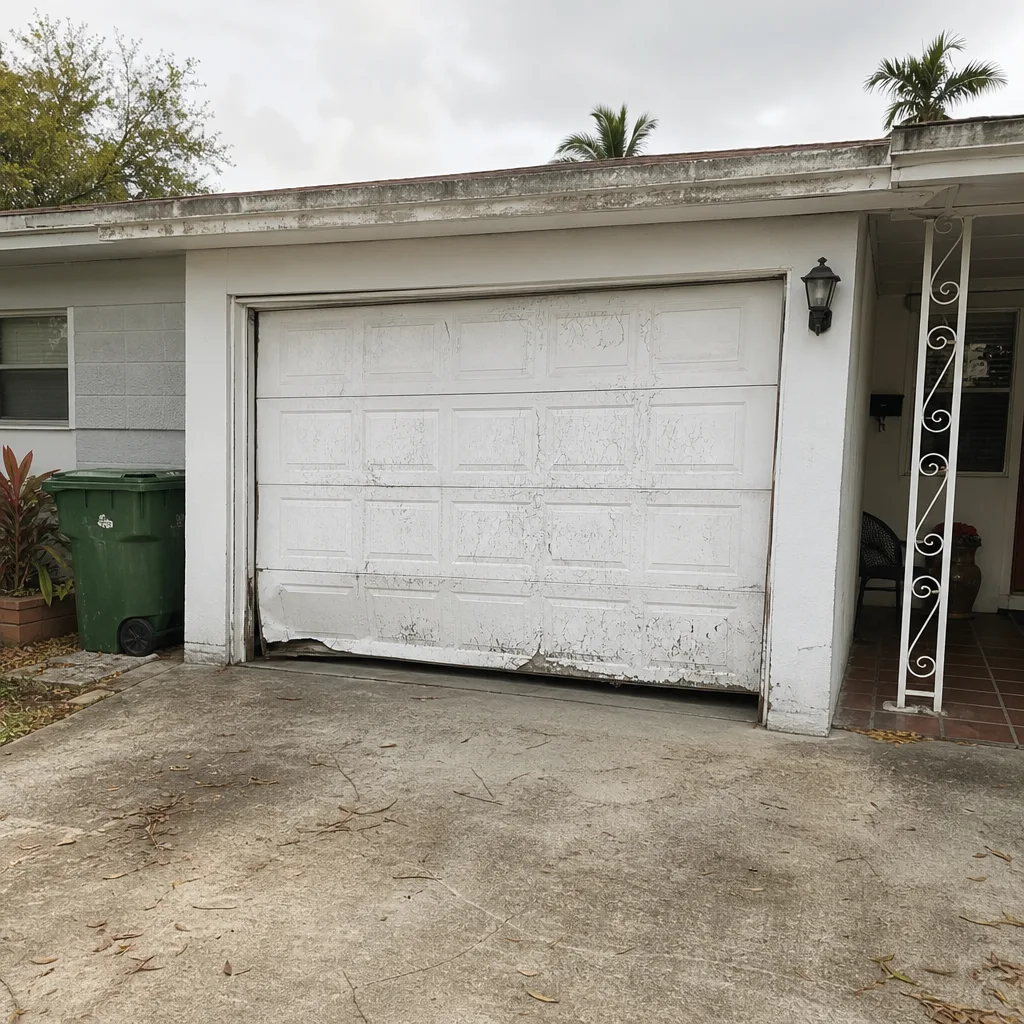 Before
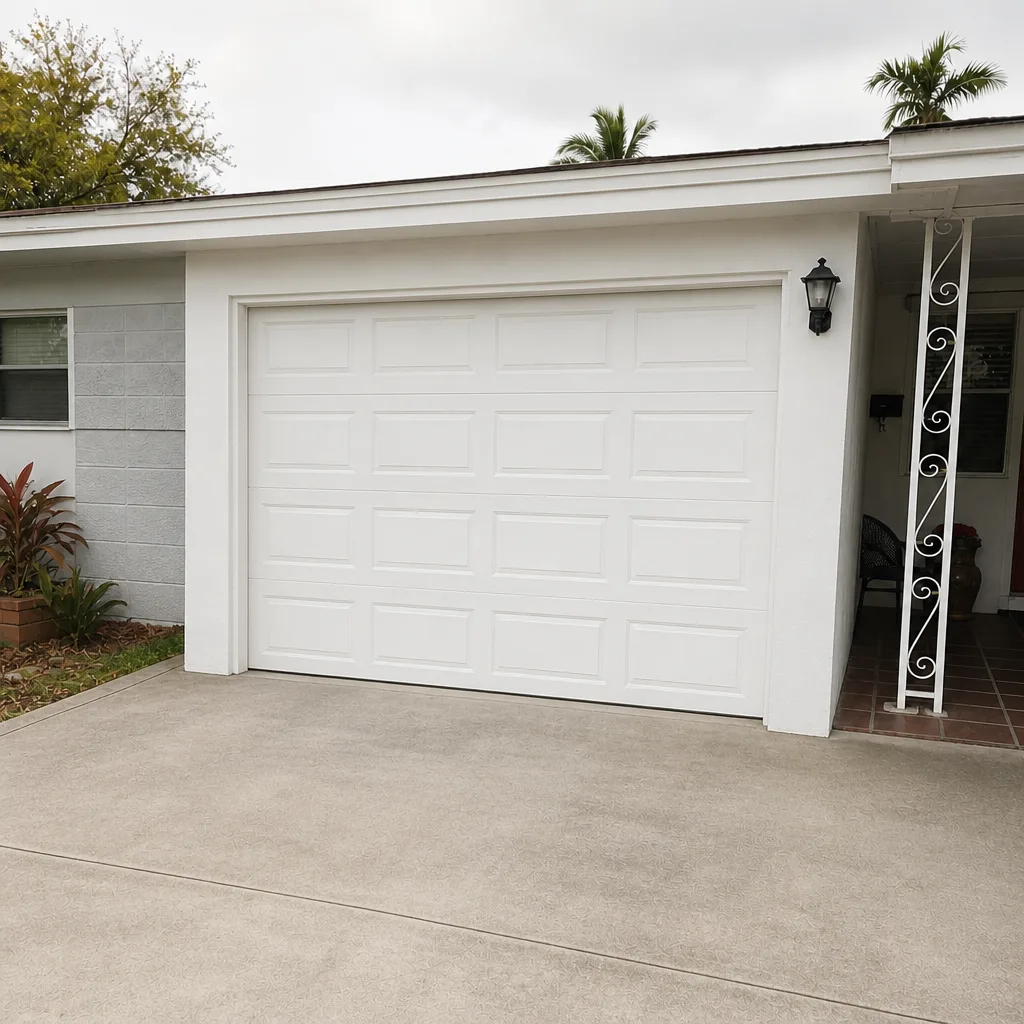 After
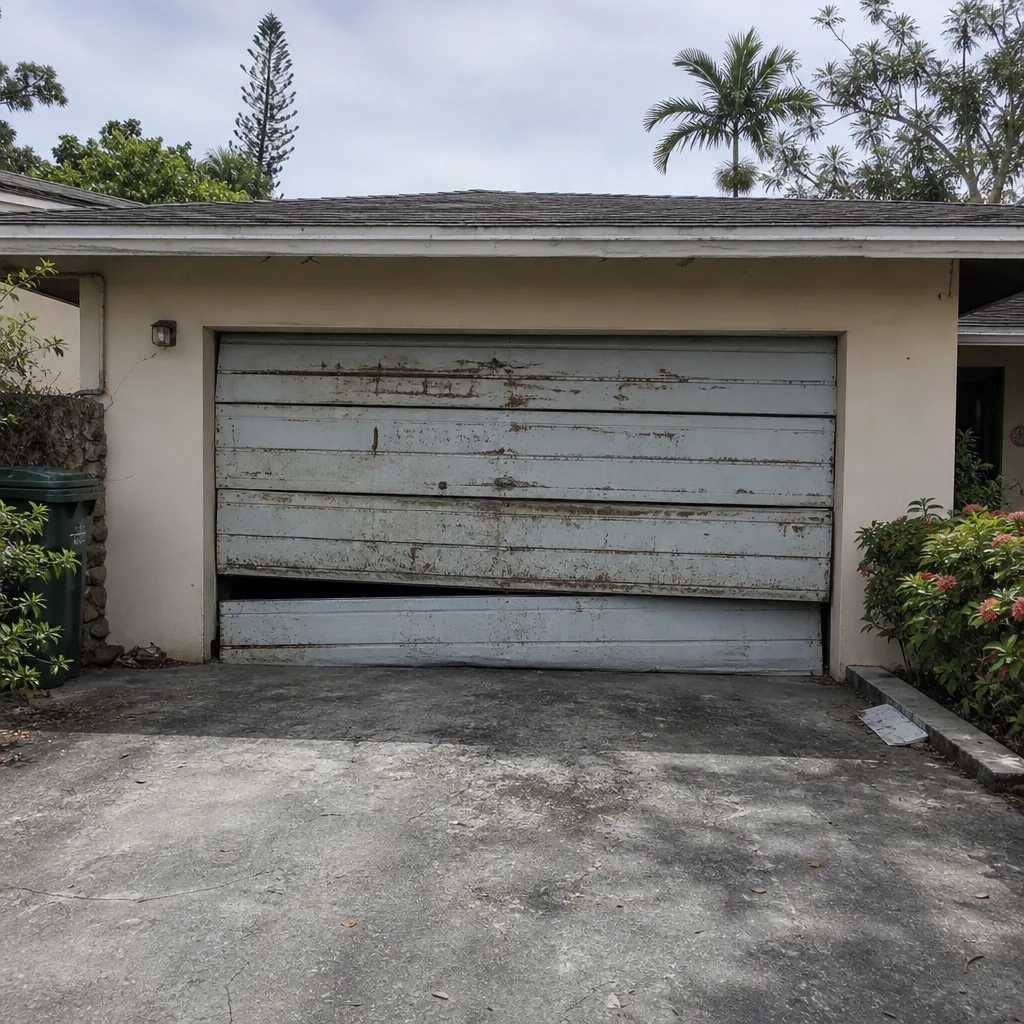 Before
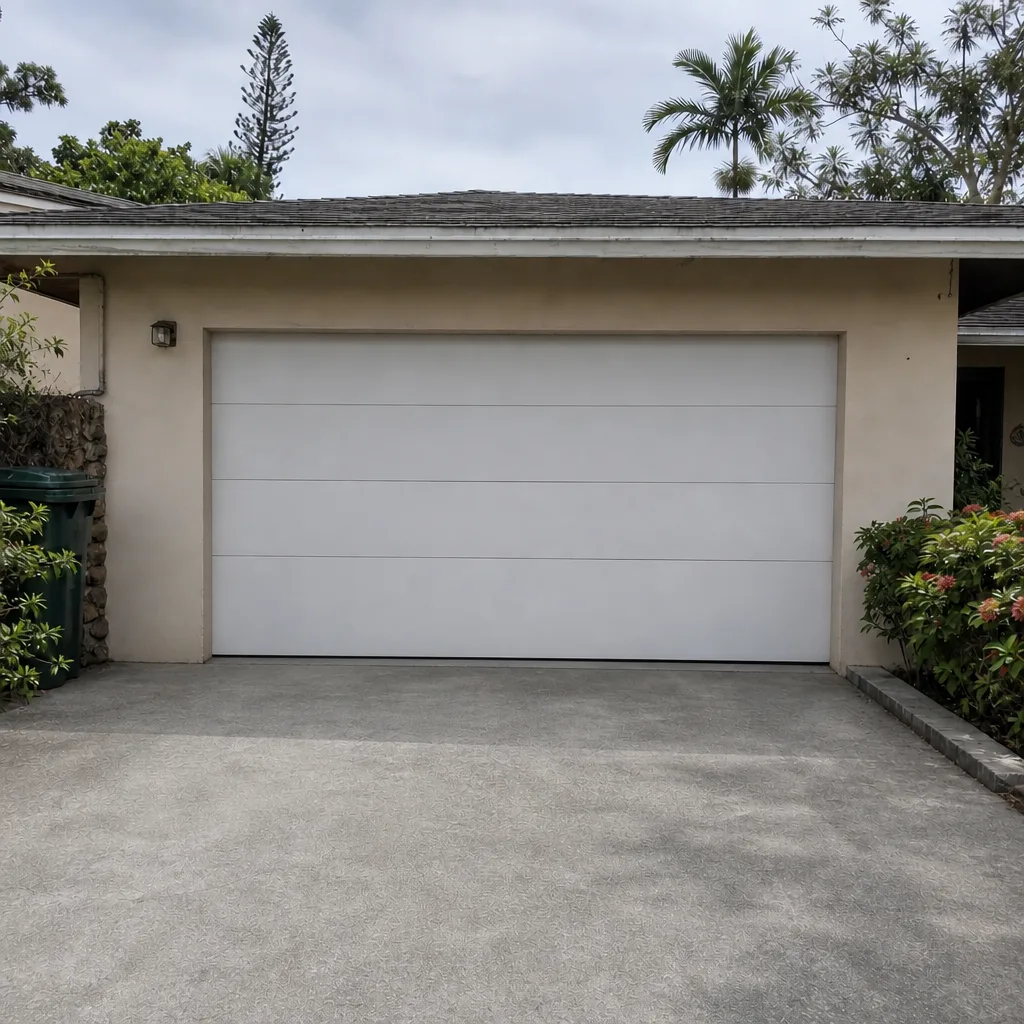 After
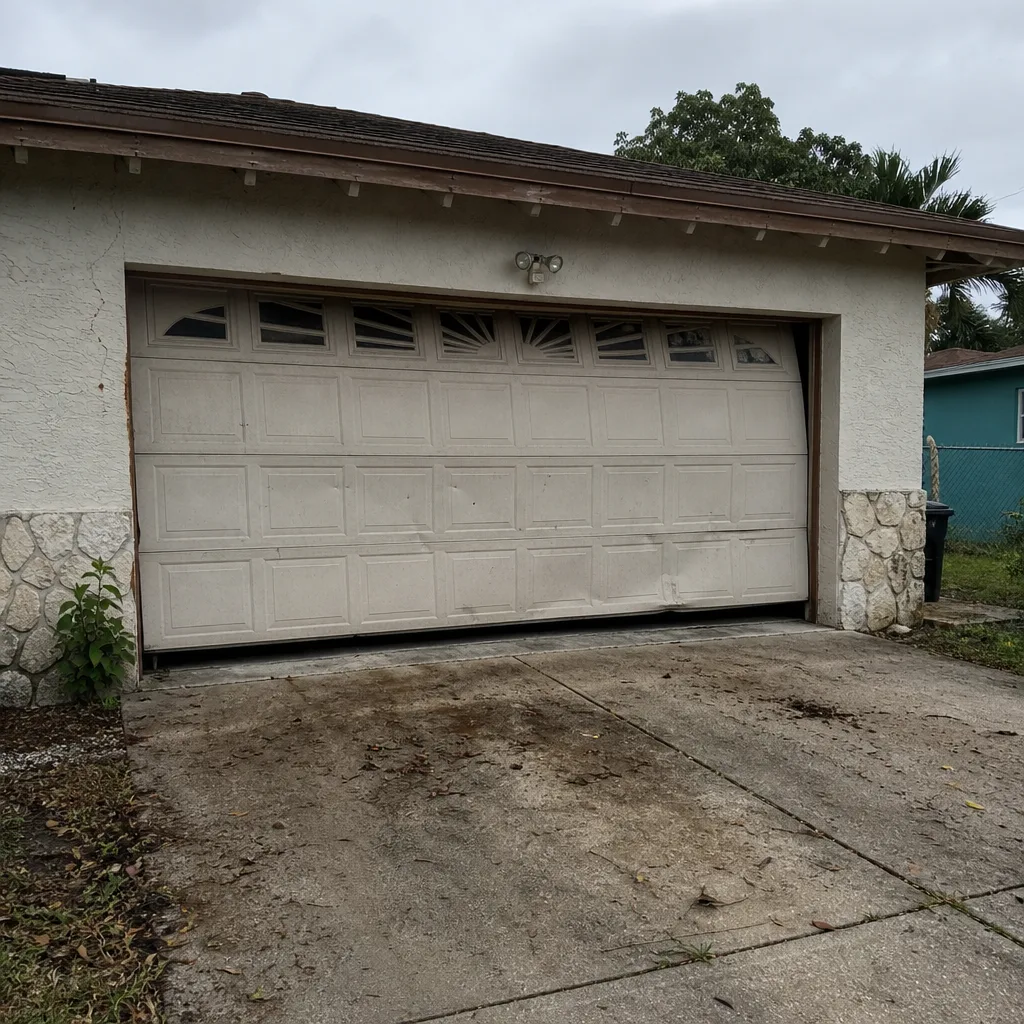 Before
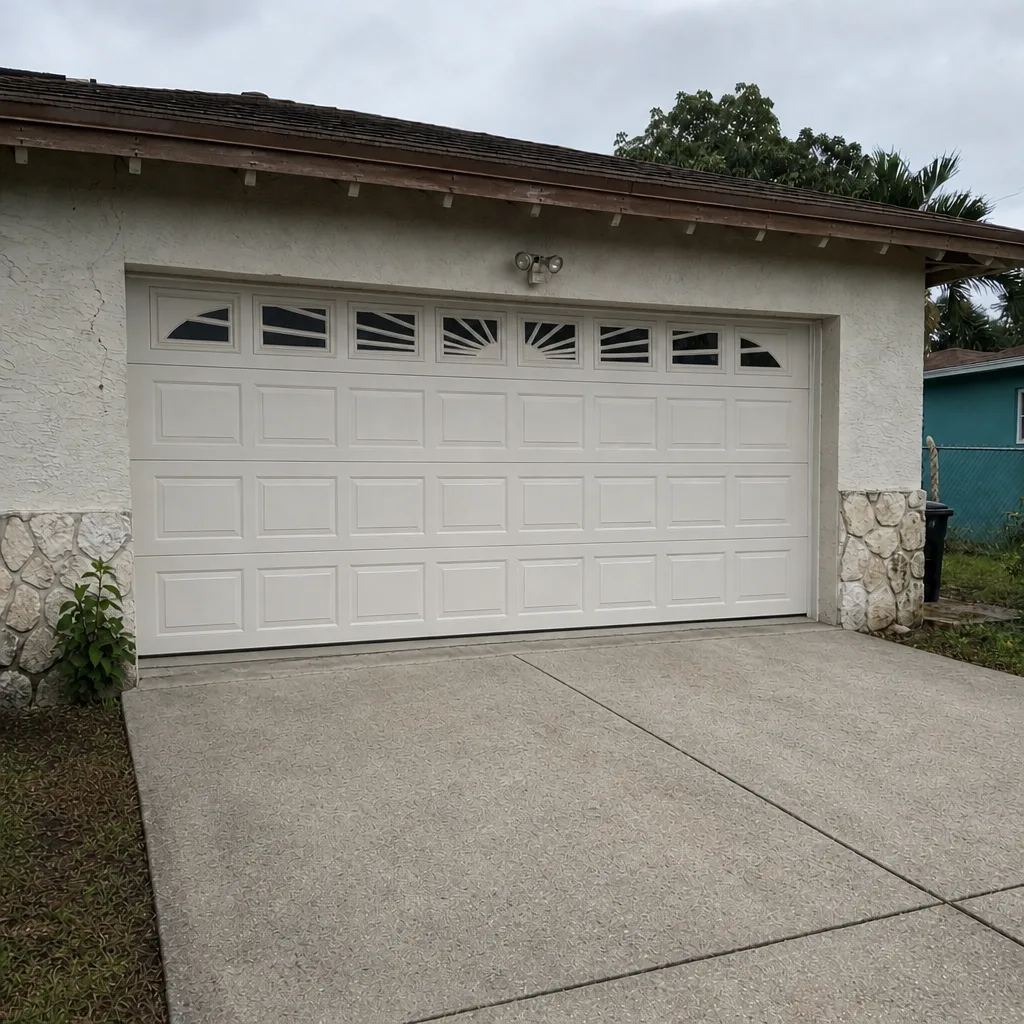 After