
Last updated November 23, 2026
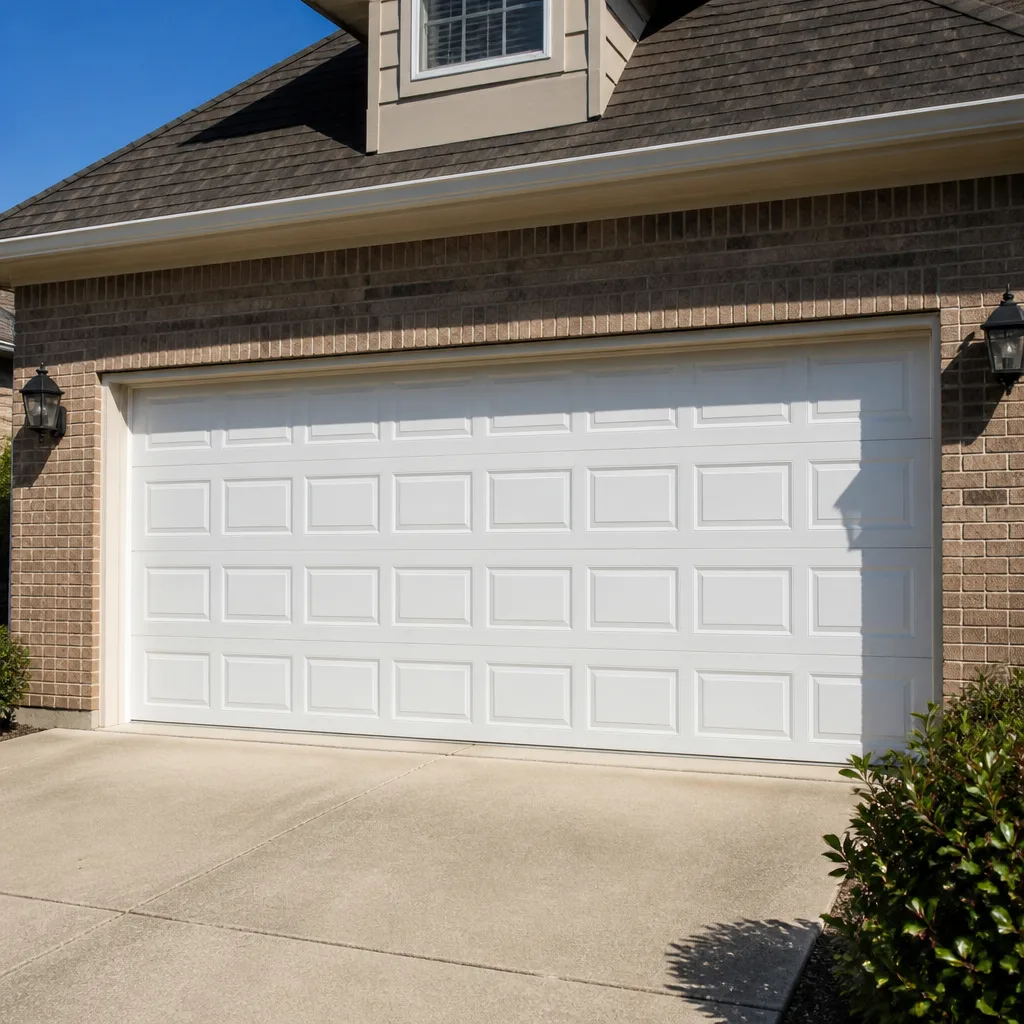 Raised-panel steel
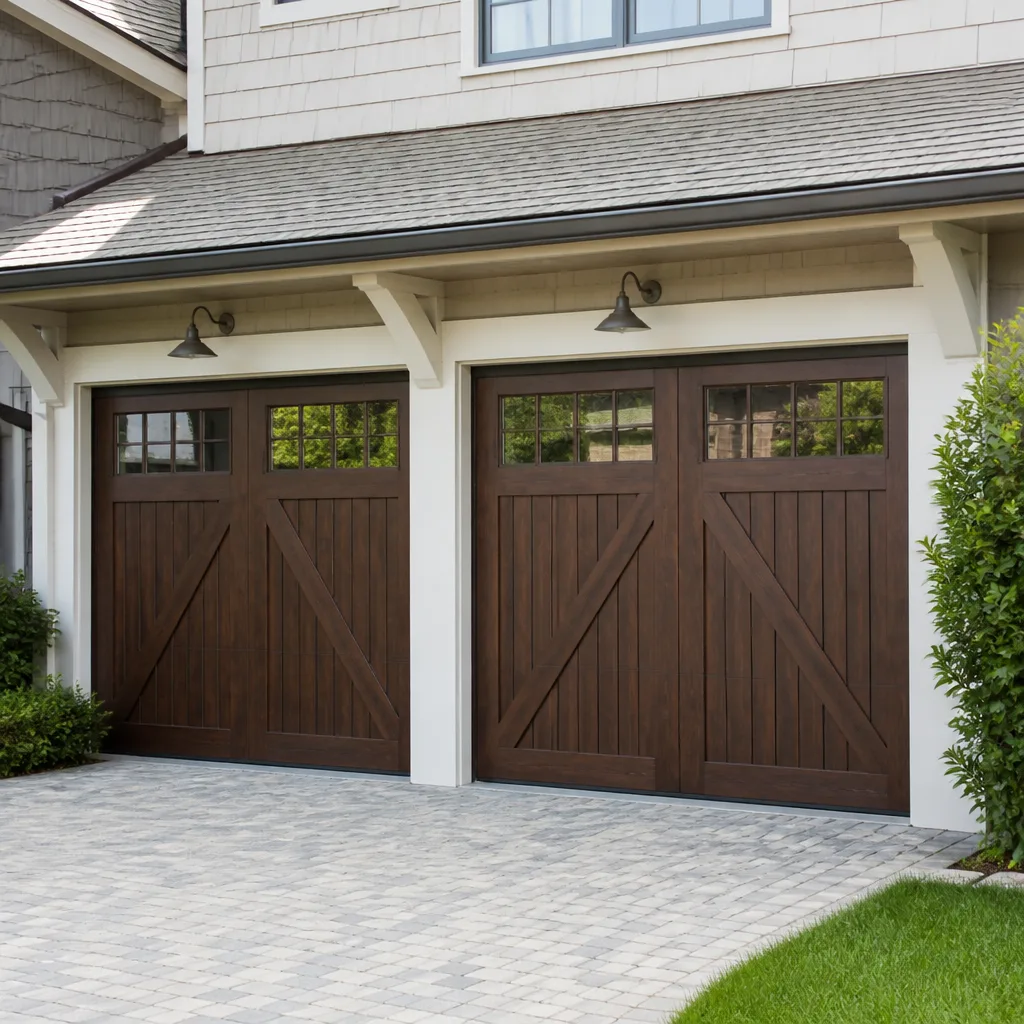 Carriage house
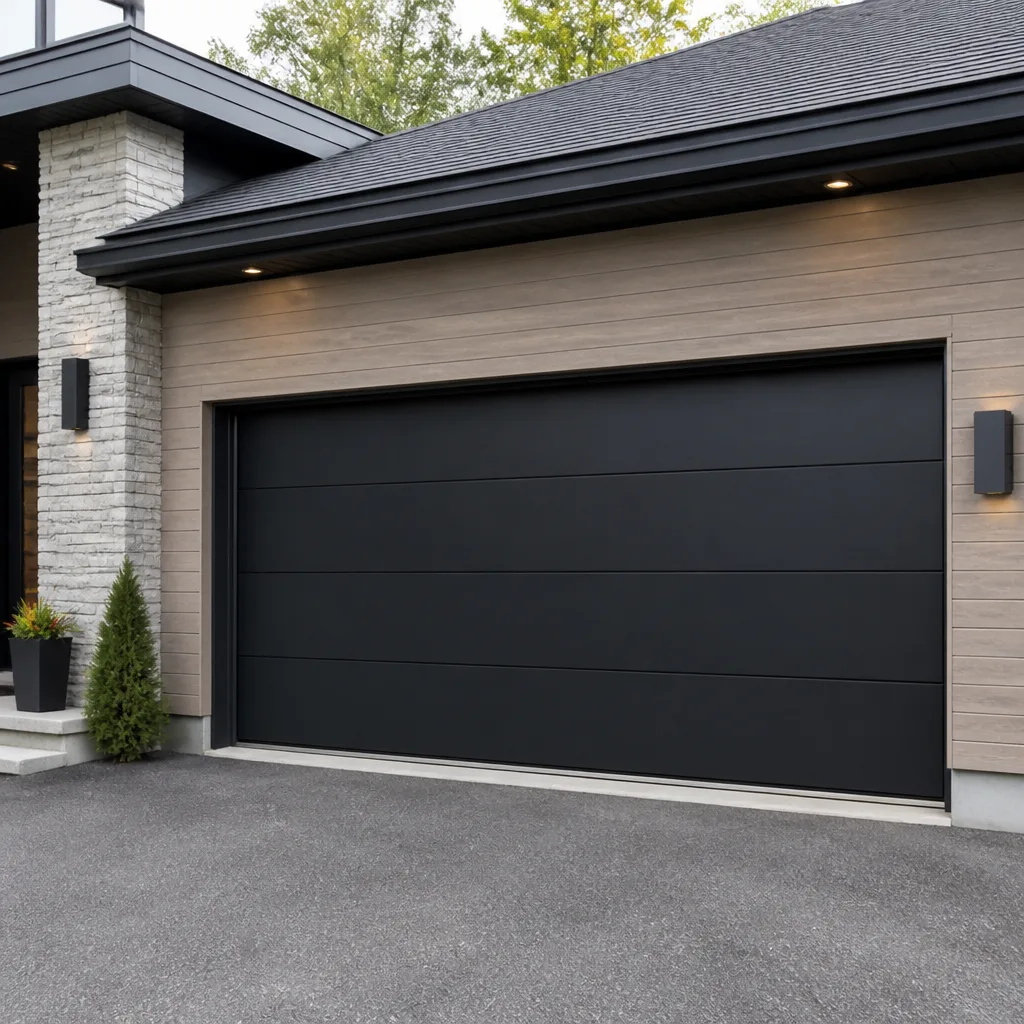 Modern flush
 Full-view glass
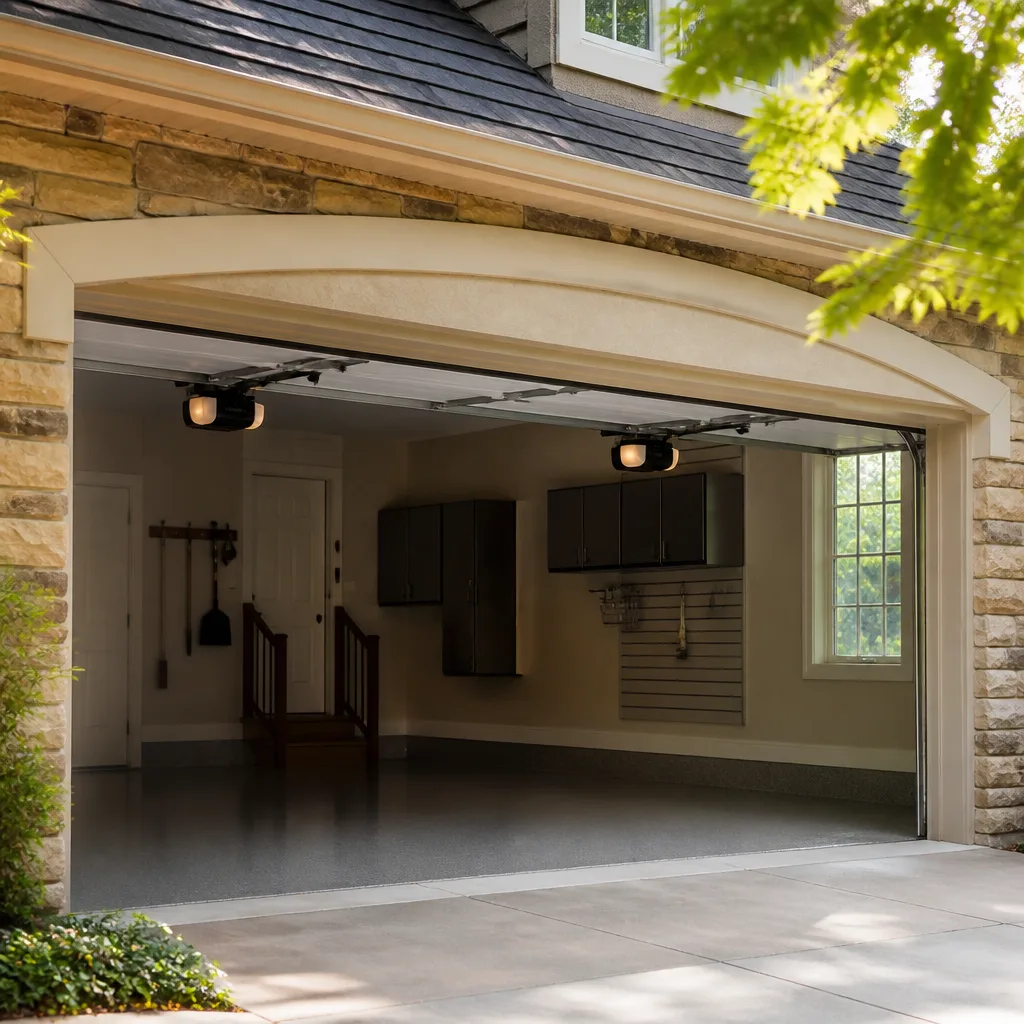 LiftMaster openers
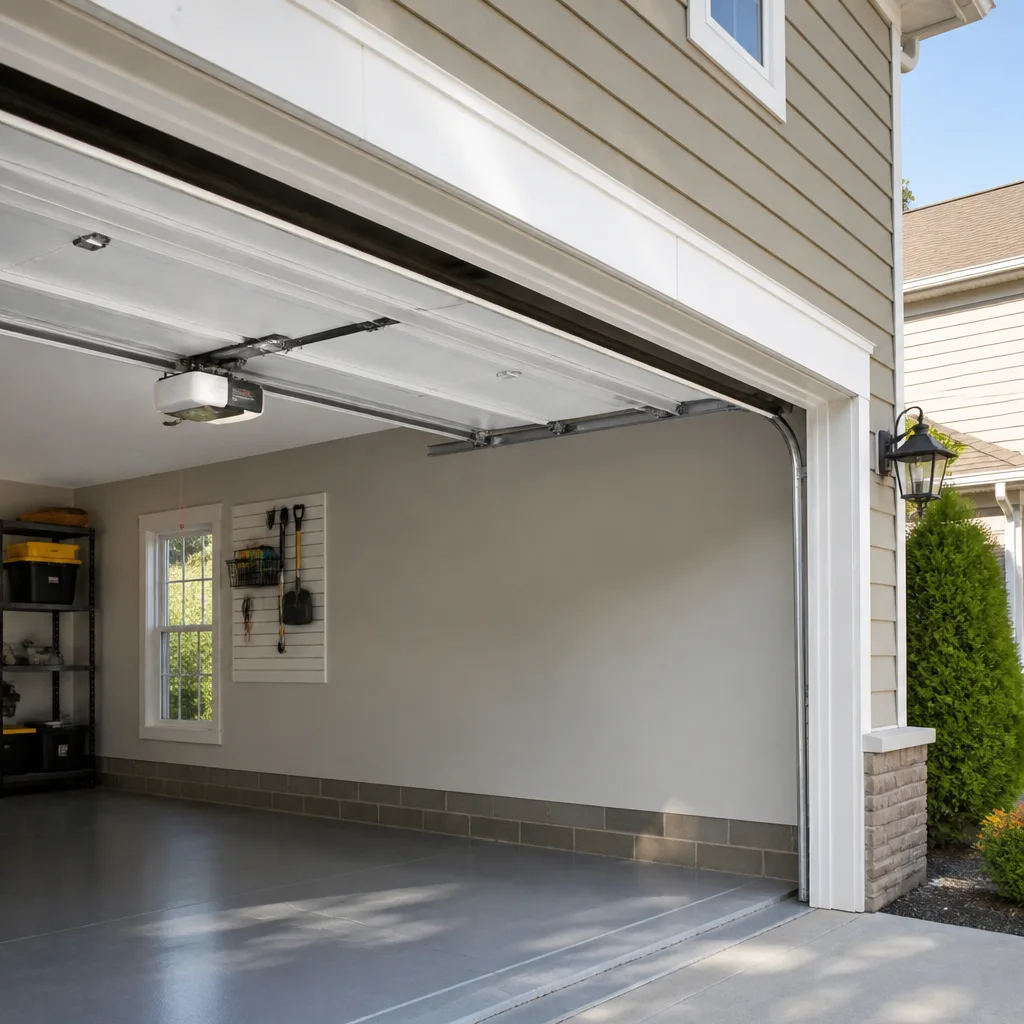 Chamberlain openers
Full 25-point door and opener safety check with every visit - springs, cables, rollers, tracks, and your LiftMaster or Chamberlain opener included
You get a price before we start. It does not change when the pro arrives.
Get your free estimateDIY vs Professional Garage Door: The North Miami Homeowner’s Decision Guide
Replacing a bottom weatherstrip on a Saturday afternoon with a beer and a putty knife is a completely reasonable thing to do. Replacing a torsion spring yourself puts you in front of a coil of steel wound tight enough to throw a wind-loaded torque into your hands and face faster than you can react. Those two jobs sit in the same garage, but they are not the same decision. North Miami homeowners ask us about this constantly, and the honest answer isn’t “always call a pro” or “nothing is hard.” The answer depends on which task you’re doing and which consequences come with getting it wrong. This guide draws that line task by task: what’s safe, what’s legally off-limits, what quietly voids warranties, and where the savings from doing it yourself evaporate.
Quick Answer
Most garage door maintenance is fine for a careful homeowner: cleaning and replacing weather seals, lubricating hinges, aligning photo-eye sensors, and reprogramming a remote or keypad. Torsion springs, extension springs, cables, and drum assemblies are not – they store dangerous amounts of mechanical energy and cause the majority of serious garage door injuries. Work on the springs, cables, or structure of the door usually falls under Florida Building Code and requires a licensed contractor and often a permit in North Miami, which makes the do-it-yourself route risky and non-compliant at once. When in doubt, that’s the group to hand to a professional.
Styles & brands we work with
- Raised-panel steel
- Carriage house
- Modern flush
- Full-view glass
- LiftMaster openers
- Chamberlain openers
Table of Contents
- Which Garage Door Jobs Are Safe to DIY in North Miami?
- Why Is Torsion Spring Work Specifically Dangerous?
- What Does Florida Building Code Say About Garage Door Work?
- Which DIY Fixes Void Your Manufacturer Warranty?
- When Do DIY Savings Disappear? A Cost Reality Check
- Is Opener Repair a DIY Job or a Technician’s Job?
- Common Mistakes to Avoid
- When to Call a Professional
Which Garage Door Jobs Are Safe to DIY in North Miami?
The safe list is real, and it’s longer than you might expect. A confident homeowner with basic tools can handle routine maintenance that keeps the door quiet and the seals tight. These jobs carry low mechanical risk and no permit requirement, and they’re worth learning because they prevent bigger repairs down the road.
Here’s the safe-to-DIY list we give our own customers:
- Weatherstripping and bottom seal replacement. The rubber or vinyl seal along the bottom edge wears out from sun and heat. A fresh seal keeps out rain, insects, and the summer humidity that turns a garage slick.
- Lubrication. A garage door is a mechanical system with rollers, hinges, and tracks. A silicone-based or lithium lubricant on the moving parts cuts noise and friction. Don’t use grease on the tracks themselves – it attracts grit.
- Photo-eye (safety sensor) alignment. The two small sensors at the base of the door tracks must face each other. If your door starts and immediately reverses, a misaligned or dusty sensor is the usual cause.
- Remote and keypad reprogramming. Modern LiftMaster and Chamberlain openers reset easily enough with the manual in hand. This is a common frustration that has nothing wrong with the equipment.
- Cleaning and visual inspection. Wipe the tracks, check the rollers for cracks, look for loose hinge bolts. Catching wear early is the cheapest repair there is.
What ties this group together is that none of it stores dangerous energy or changes the structural load path of the door. If a job involves a spring, a cable, a drum, or the panels that span the opening, you’ve crossed out of the safe zone. For anything on that second list, our garage door repair team is who you’d call.
One local note: North Miami’s heat and humidity are hard on weather seals. The bottom seal and the perimeter seals dry out and crack faster here than in drier climates, so replacing them every few years is normal maintenance rather than a sign anything is wrong. On a door facing afternoon sun, the seal does most of the work keeping out water that would otherwise find its way into the garage.
Why Is Torsion Spring Work Specifically Dangerous?
A torsion spring is basically a coiled steel rod that’s been wound under tension to carry the full weight of your garage door. When you’ve lifted a door and felt how heavy it is – often a couple hundred pounds – the spring is doing most of the lifting so you don’t have to. To make that possible, the spring is wound to store a massive amount of rotational force. That force is there whether the spring is intact or broken. So is the tension in the cables attached to it.
A few specifics explain why this is the most common source of serious garage door injuries:
- The energy releases instantly. A wound spring fails with a sudden snap, and the energy it was holding goes somewhere. If your hands, winding bars, or face are in the line of that release, the result can be severe. A 200-pound door riding on a spring that lets go is a genuine hazard.
- The cables are under matching tension. Lift cables run from the drums to the bottom brackets and back. A mishandled cable can whip free. Cable and spring work are the two tasks where we never recommend a homeowner even get close.
- Winding procedures are unforgiving. Setting a torsion spring means winding it to a specific number of turns for your door’s weight, using proper winding bars. Get the count wrong, or let a bar slip out of a winding cone, and the bar can be flung hard enough to break bones. This isn’t a place where “about right” works.
- Improper torque damages the whole system. Undertensioned springs force the opener to work overtime and wear out faster. Overtensioned ones snap prematurely. Either error shortens the life of everything attached to the door.
We’ve seen the aftermath of home spring work more than once, and the pattern is consistent: the door ends up stuck, damaged, or dangerously unbalanced. Our garage door spring repair work is the technical core of what we do for exactly this reason – it’s the job that separates technicians who understand the mechanics from handymen swapping parts. If a spring has broken, leave the door down, keep everyone clear, and call a trained technician. That’s not a caution we add to be cautious; it’s the one part of this guide where the risk is real and immediate.
What Does Florida Building Code Say About Garage Door Work?
Here’s where DIY stops being only a physical risk and starts being a legal one. Garage doors in Florida are treated as part of the building’s structure, and the state’s building code treats their installation and structural repair as regulated work. That means many jobs a homeowner might tackle are not permitted for an unlicensed person to perform – it isn’t just that you shouldn’t; it’s that in many cases you can’t, legally, and an inspector or insurer can treat the work as non-compliant.
The practical breakdown:
- Structural work requires a licensed contractor. Replacing springs, cables, drums, the door itself, or the brackets that anchor it to the building typically requires a licensed technician and often a permit under Florida Building Code. This isn’t only a North Miami rule; it applies across the state.
- Permits are common for replacement and structural repair. A full door replacement or structural repair frequently needs a permit, and the permit process is designed around licensed professionals pulling and closing it out. A homeowner pulling a permit for spring work isn’t standard.
- Insurance and inspection implications. If a claim arises from non-compliant work, your coverage situation can get complicated. In a city where property managers and homeowners both care about clean records, compliance is part of the cost of doing it right.
- Code is not static. Requirements can change and are interpreted by local authorities. Before any structural work on a garage door in North Miami, ask the city’s building department what applies to your job. We point every customer toward that step when a door is being replaced or structurally repaired.
The takeaway is simple: the physical danger and the legal exposure line up in exactly the same place. The jobs that are too dangerous to DIY are also the jobs that typically require a licensed professional and, often, a permit. That overlap is where the “just watch a video and do it yourself” advice falls apart for garage doors in Florida.
Which DIY Fixes Void Your Manufacturer Warranty?
Garage door equipment from the major brands comes with manufacturer warranties, and those warranties have conditions. The most common condition is that installation and repair must be performed by a qualified technician. Crack open the manual for a Chamberlain or Genie opener, or the paperwork that came with a Clopay or Amarr door, and you’ll find language about professional installation and repair. Do the work yourself – or hire an unqualified person – and you can lose coverage on equipment that was still well within its warranty period.
Three areas are the usual trouble spots:
- Openers. Tinkering with the internal gear, control board, or travel limits can void coverage on a Chamberlain, LiftMaster, or Genie unit. Smart openers with connected modules are especially easy to damage if the wrong component is disturbed.
- Springs. Manufacturers expect spring replacement to be done by a professional, and a spring that fails after home installation typically won’t be honored under warranty.
- Penels and hardware. Improperly installed panels on a Clopay or Amarr door can affect warranty claims tied to the door’s structure and finish.
This matters most, of course, when the equipment is still under coverage. A door or opener that’s already out of warranty has nothing to lose on that front – but the safety and legal points still apply, so the calculation tips toward professional work anyway. Our technicians are familiar with garage door opener repair on the leading brands, which helps keep warranty concerns where they belong: off your plate.
Reprogramming a remote or resetting travel limits from the keypad usually isn’t a warranty issue. Opening the housing and replacing a gear or board yourself is. If you’re unsure which side of that line a fix sits on, a quick call settles it before anything is touched.
When Do DIY Savings Disappear? A Cost Reality Check
The “DIY saves money” logic holds up for simple jobs and collapses for complicated ones. That’s partly because the real cost of a repair isn’t just the part – it’s the tools, your time, and the odds you’ll need to redo it. Here’s the reality check we walk through with North Miami homeowners:
- Seal and lubrication jobs. These genuinely favor DIY. The parts are cheap, the tools are already in most garages, and the risk is minimal. This is where you should save money.
- Spring work. The single riskiest job in the garage is no place to chase savings. Add the cost of the winding bars, the tensioning tools, the danger, and the odds of damaging the door or opener in the attempt, and the pro call is the cheaper decision in the long run. If you get it wrong, you’re paying for the repair plus whatever the failed attempt damaged.
- Opener repairs. Modern openers are electronics, not just motors. Trying to troubleshoot a control board or travel-limit issue can turn a modest fix into a new-unit purchase. A free estimate on a repair is usually cheaper than the replacement you’d buy after a failed attempt.
- Panels and full doors. These need proper measurement, track measurement against the opening, and sometimes code compliance. A door that doesn’t fit or isn’t anchored correctly is an expensive education in why new installation is a measured job.
Notice the pattern: the jobs where DIY is a real saving are also the ones nobody makes videos sweating over. The jobs people talk about doing themselves – springs, openers, doors – are exactly where the risk and redo cost pile up. We don’t say that to sell you anything. We say it because a repair done once by the right person usually costs less than a repair done twice, one of the attempts being a fallback.
Is Opener Repair a DIY Job or a Technician’s Job?
Openers are the grayest area, so it’s worth being precise. The modern system on most North Miami doors is a smart opener, and the range is wide – you’ll find LiftMaster, Chamberlain, Genie, and Craftsman units all doing different things under the same roof. Brands have different reset sequences, different remote pairing, and different travel-limit procedures. Some repairs are squarely in the DIY-safe column, and some aren’t.
Reasonable to DIY yourself:
- Replacing the remote battery or reprogramming a new remote.
- Cleaning the photo-eye sensors and aligning them so they face each other.
- Resetting the travel limits from the keypad or the opener panel per the manual.
- Clearing a jam and re-engaging the emergency release if the door simply came off track temporarily.
Better handed to a technician:
- Replacing a control board, gear, or internal motor component.
- Wiring anything new into the opener’s electrical circuit.
- A door that’s been opening or closing unevenly, or reversing without a clear explanation.
- Adding or replacing a connected module after a smart-home change.
The gray area resolves fast when the door’s behavior points to something beyond settings. An opener that strains, a door that reverses, a remote that won’t stay paired – those can indicate worn springs or a misaligned track rather than an opener problem. Getting to the cause matters. Our North Miami Garage Door Repair team diagnoses these every day across the major brands, and it’s a free estimate to find out.
Common Mistakes to Avoid
- Forcing a door that won’t move. If a garage door refuses to open, a broken spring or a jumped track is the likely cause, and forcing it strains the opener and the door. Stop and diagnose rather than power through.
- Winding a spring without proper tools and knowledge. Homespun methods – winding with pliers, using the wrong bars – are how injuries happen. A spring under tension doesn’t care how careful you think you are.
- Greasing the tracks. Lubricant on the tracks attracts grit and makes rollers slip instead of roll. Lubricate the moving parts, keep the tracks clean and dry.
- Ignoring the photo-eye sensors. A door that reverses is annoying, but a misaligned safety sensor also undermines one of the door’s key safety features. Check alignment and cleanliness before assuming the opener is failing.
- Using an unlicensed “handyman” for structural work. In North Miami, springs, cables, and door replacement belong to licensed professionals, often with a permit. Saving money on unlicensed work can mean losing it on an insurance or inspection problem.
- Buying an opener or door without checking the original warranty terms. Repairs done outside the manufacturer’s requirements on a Chamberlain, Genie, Clopay, or Amarr product can leave you without coverage. Read the conditions before you start.
- Letting the seals go year after year. In North Miami’s humidity, a cracked bottom seal means water, insects, and heat intrusion. Replacing it early is cheap; letting it rot is not.
When to Call a Professional
Call when the task involves a spring, a cable, a drum, or the door’s structure – that’s the whole structural group, and it’s the core of what requires a licensed technician under Florida Building Code. Call when the door won’t open or close at all, when it moves unevenly, when an opener is straining or reversing without a clear reason, or when a failed DIY repair might have caused damage. Call when the equipment is still under warranty and you’re worried about voiding it. And call when the door itself needs replacing, because new installation is a measured job that should be done right the first time.
North Miami Garage Door Repair offers free estimates in North Miami – call (888) 923-0242. We answer 24/7. Fast dispatch from 7am to 7pm, Sunday through Friday. The price is set per job by a written estimate agreed before any work starts, so there are no surprises once the door is inspected.
See the difference
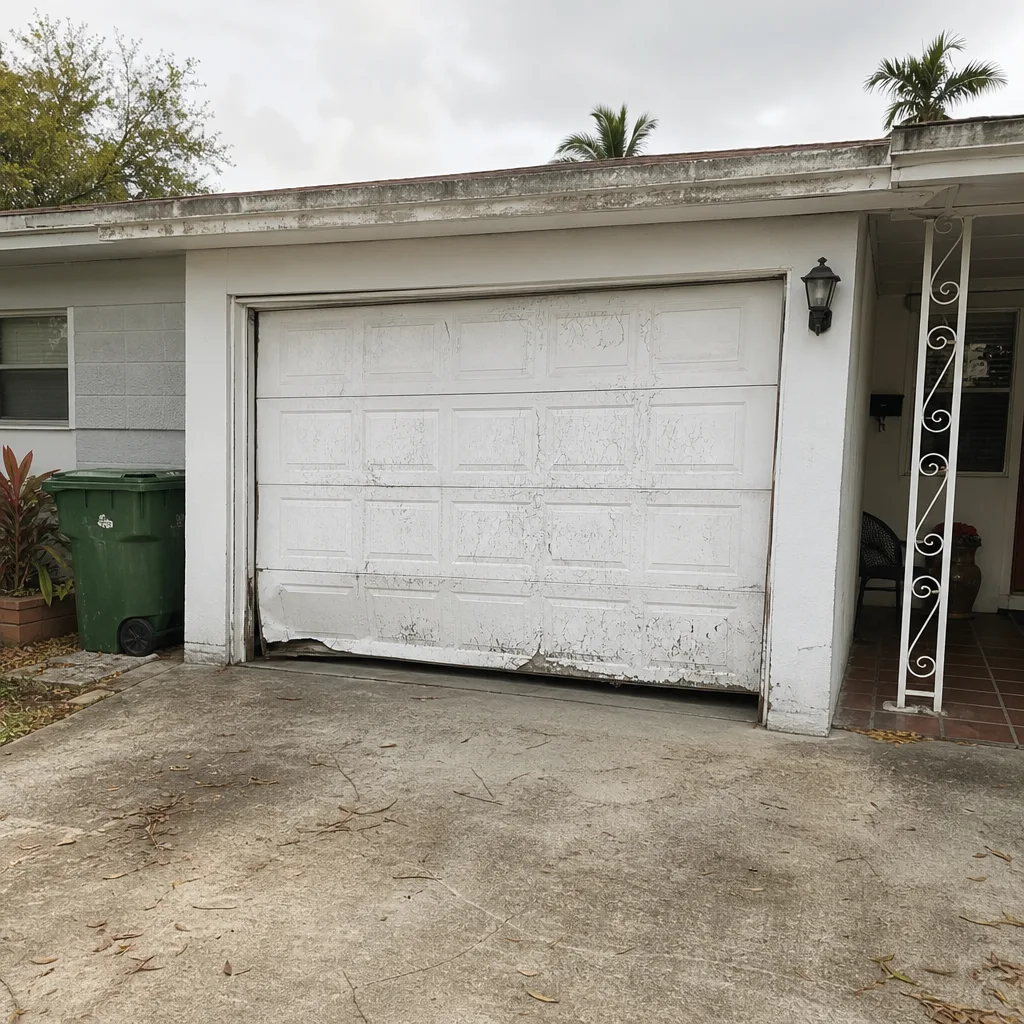 Before
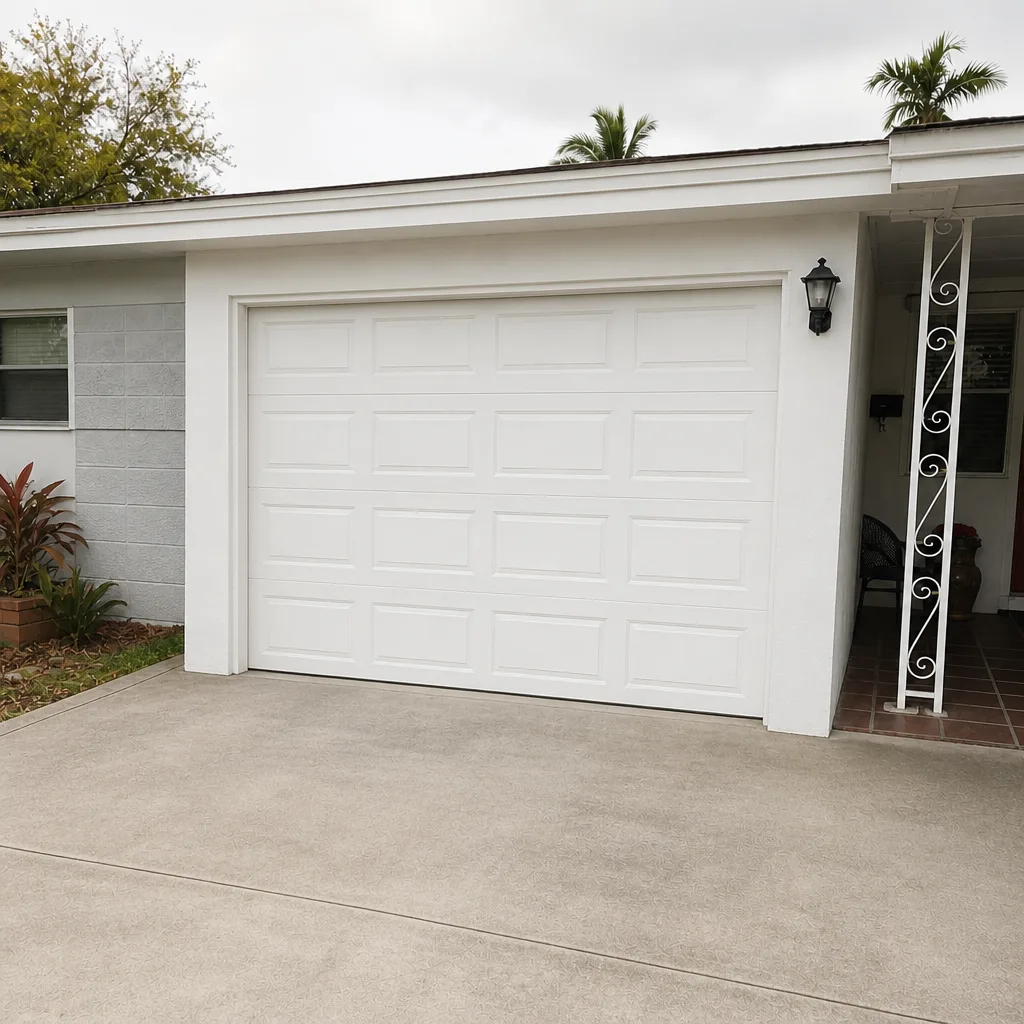 After
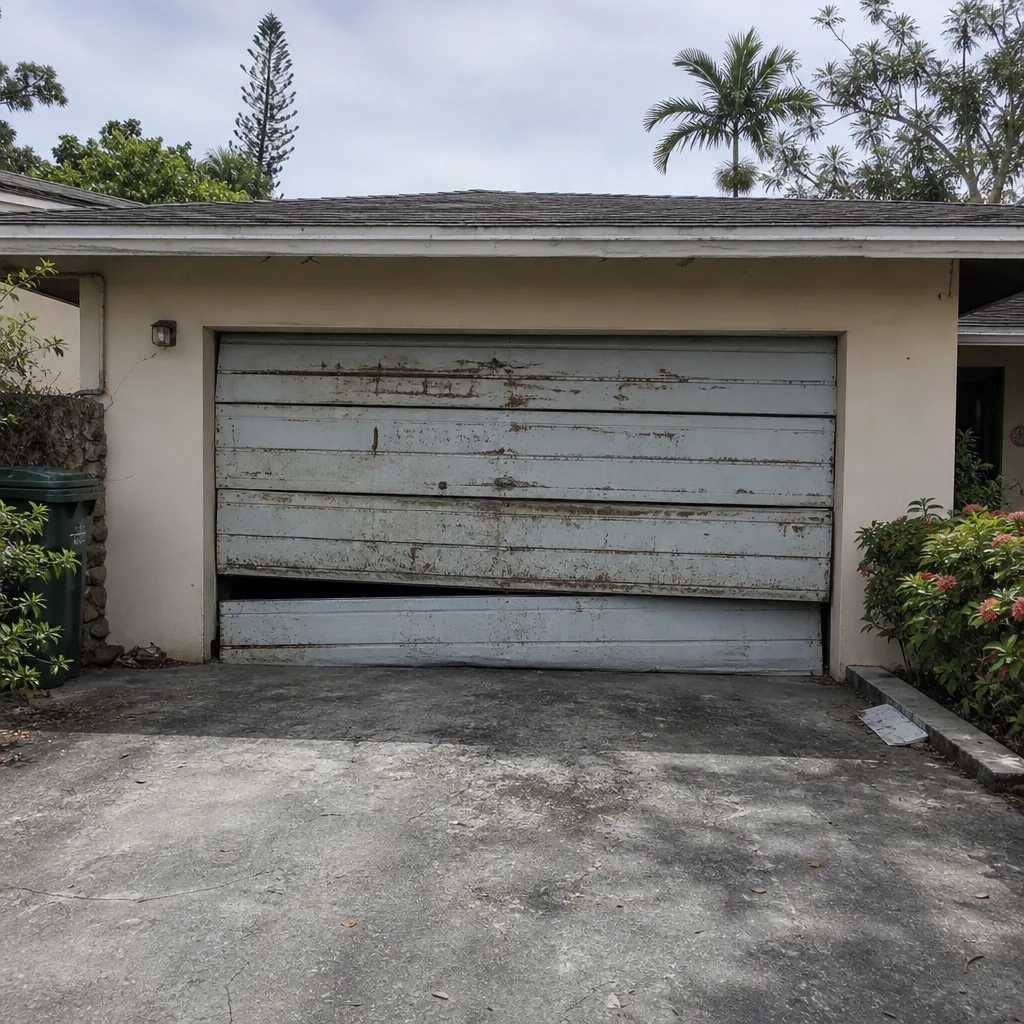 Before
 After
 Before
 After
Frequently Asked Questions
Yes, and it’s one of the best DIY jobs for a homeowner. The bottom seal and perimeter seals can be peeled out, measured, and replaced with basic tools. Because North Miami’s heat and humidity wear seals faster than drier climates, replacing them yourself every few years is smart maintenance. Call (888) 923-0242 if you’d rather have it done – estimates are free.
Because it stores a large amount of energy, and that energy is released in an instant when the spring fails. The spring and its cables hold the door’s whole weight under tension, and winding a replacement requires specific tools and a precise number of turns. Getting it wrong can cause severe injury. Leave spring work to a trained technician – call (888) 923-0242 for the right fix.
Yes, for structural work like springs, cables, and full door replacement. Florida Building Code treats these as regulated work that typically requires a licensed contractor and often a permit. Because local interpretation matters, ask the city’s building department what applies to your job. Call (888) 923-0242 to book a licensed professional.
It can. Manufacturer warranties on Chamberlain, LiftMaster, Genie, and other major brands typically require professional installation and repair. Opening the housing to replace a control board or gear is the usual way coverage gets lost on equipment still under warranty. Reprogramming a remote usually won’t. Call (888) 923-0242 if you’re unsure – estimates are free.
DIY wins on seals, lubrication, sensor alignment, and remote work – low cost, low risk. It loses on springs, openers, and full doors, where tool cost, risk, and redo potential stack up. A professional repair done once usually costs less than a failed DIY attempt plus the repair. Call (888) 923-0242 for a free estimate on anything on the risky list.
Often, yes – emergency garage door service is a core part of what we do, not an extra. We answer 24/7, with fast dispatch from 7am to 7pm, Sunday through Friday. A call outside dispatch hours is booked into the next opening. Call (888) 923-0242 and we’ll get you back to working order.
The Bottom Line
The garage door DIY question isn’t about whether you’re handy – it’s about which jobs carry safety, legal, or warranty consequences that make doing it yourself the wrong call. Seals, lubrication, sensors, and remote reprogramming are yours to handle. Springs, cables, and structural door work belong to a licensed professional, often with a permit in North Miami. Letting DIY edge into that second group risks injury, non-compliance with Florida Building Code, and voided warranties. Get a free estimate before you start – call (888) 923-0242. We answer 24/7, with fast dispatch from 7am to 7pm, Sunday through Friday.
Written by the team at North Miami Garage Door Repair.