
Last updated November 23, 2026
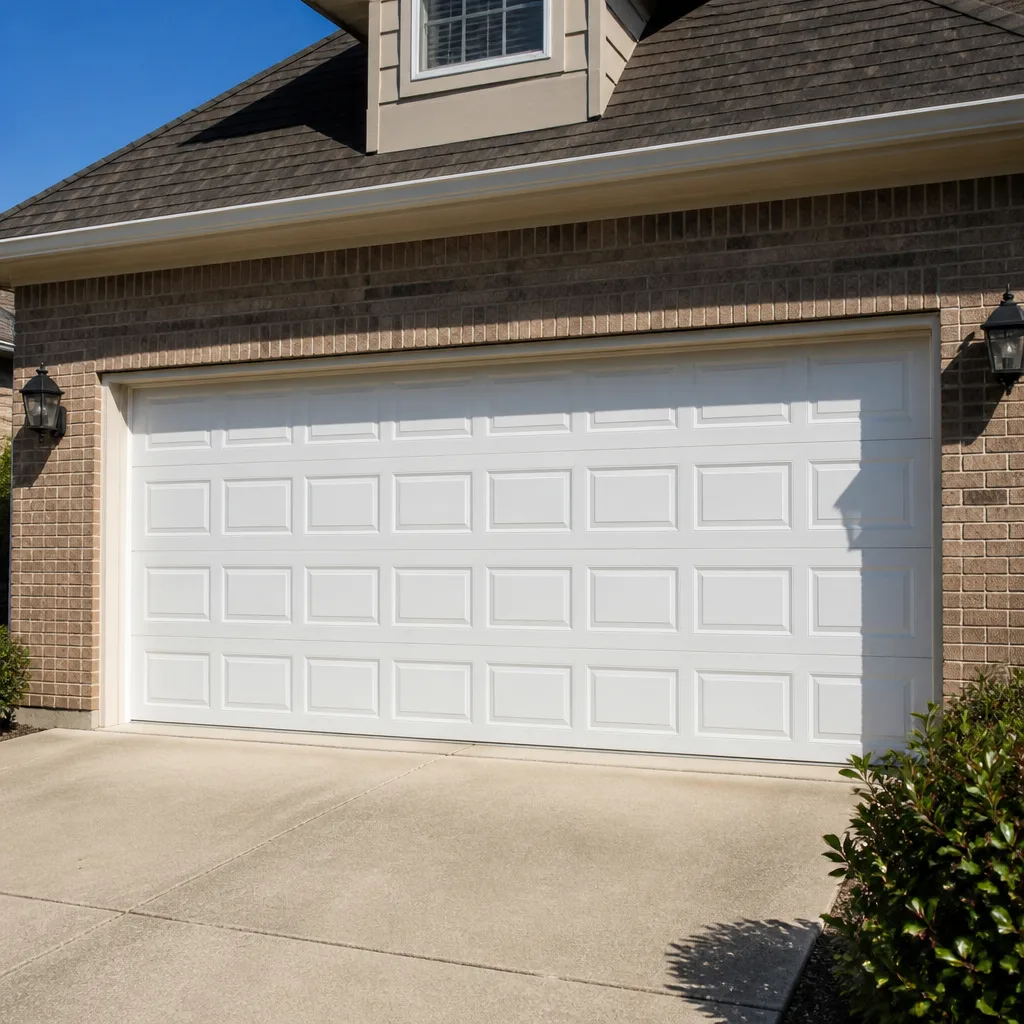 Raised-panel steel
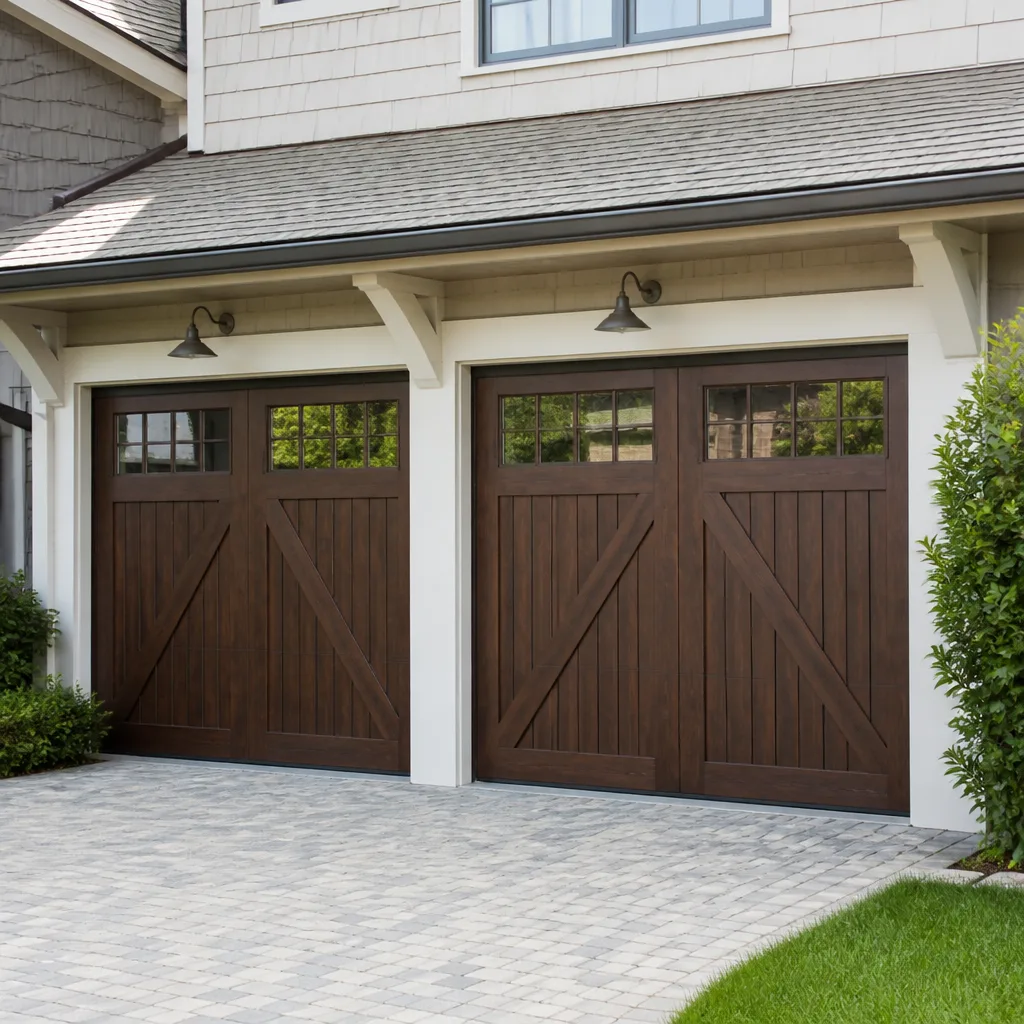 Carriage house
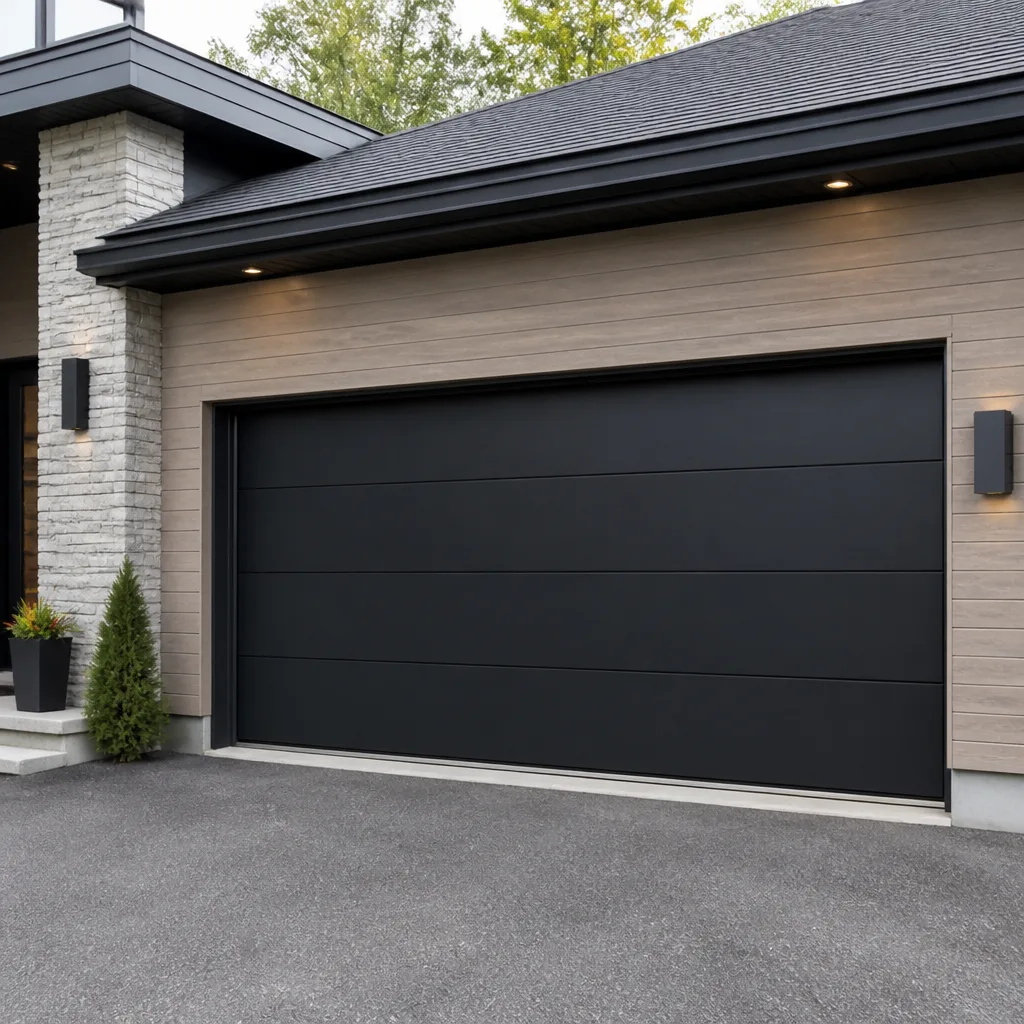 Modern flush
 Full-view glass
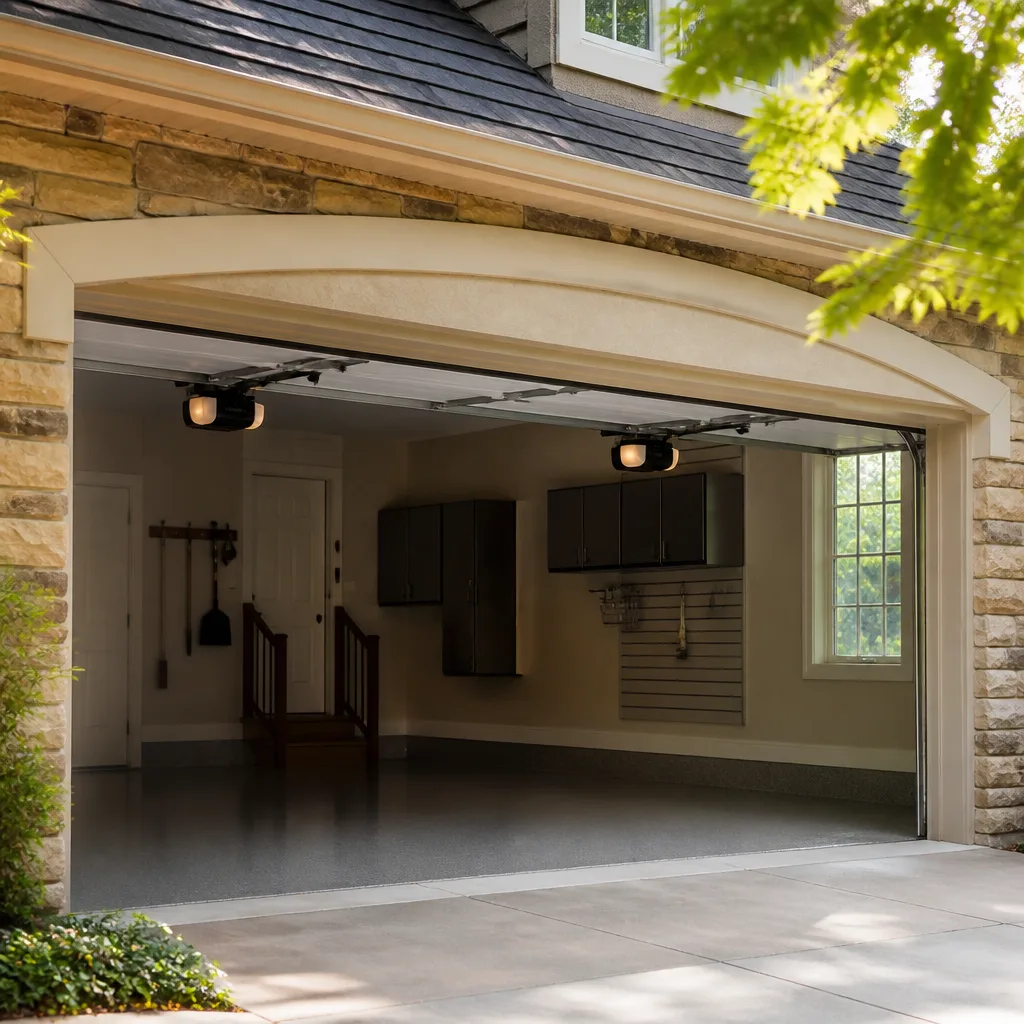 LiftMaster openers
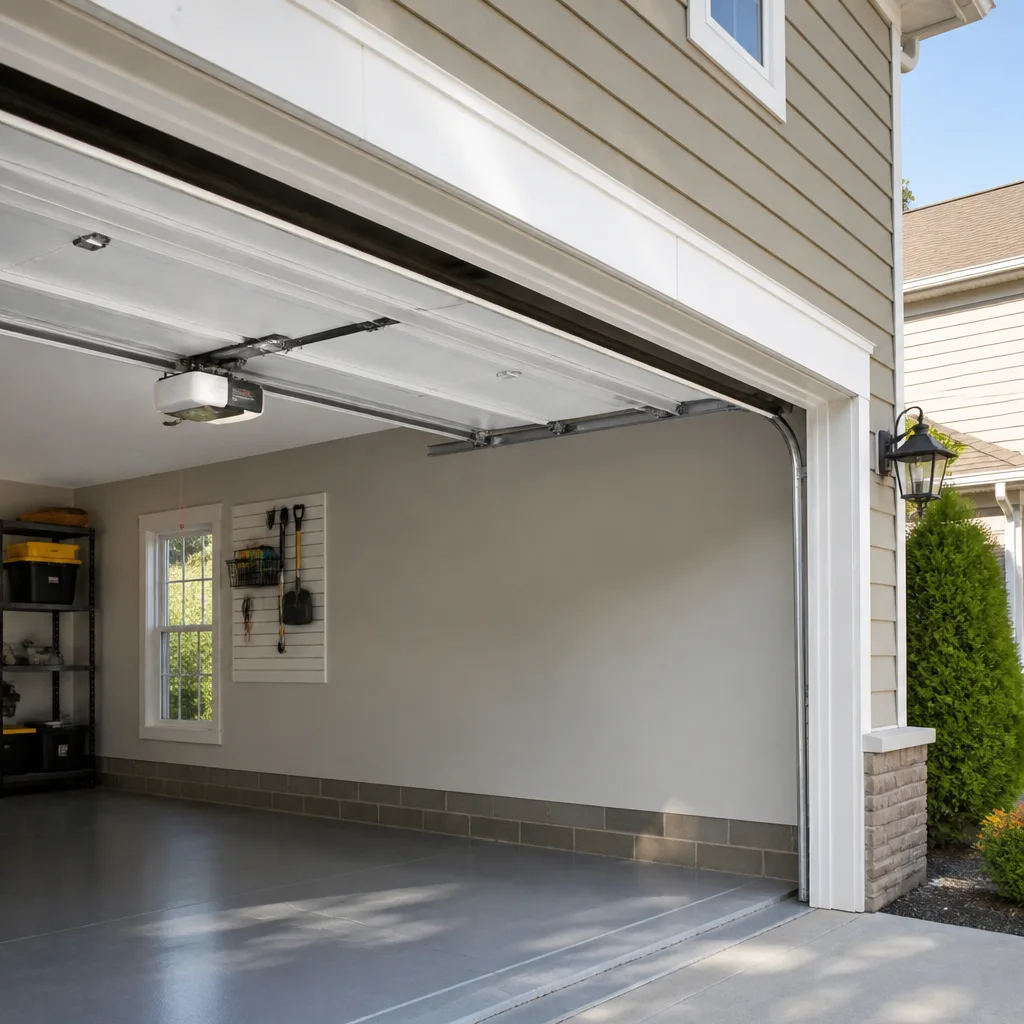 Chamberlain openers
Full 25-point door and opener safety check with every visit - springs, cables, rollers, tracks, and your LiftMaster or Chamberlain opener included
You get a price before we start. It does not change when the pro arrives.
Get your free estimateGarage Door Permits, Codes & Inspections in North Miami, FL: What You Need to Know
Most homeowners assume a garage door swap is like replacing a faucet: buy the part, install it, done. It isn’t. In North Miami, a full door replacement is a structural change to the largest opening in your wind barrier, and the paper trail matters as much as the installation. A door swapped without a permit can surface later during a routine insurance inspection or a home sale appraisal, and the fix isn’t a phone call. It can mean opening walls, pulling the door, and paying twice. This guide covers when North Miami requires a permit, which jurisdiction handles your address, what inspectors check, and where the paperwork gap usually opens.
Styles & brands we work with
- Raised-panel steel
- Carriage house
- Modern flush
- Full-view glass
- LiftMaster openers
- Chamberlain openers
Quick Answer
A garage door replacement or new installation in North Miami almost always requires a permit through Miami-Dade County or the City of North Miami, depending on your address, and the job must meet Florida Building Code wind-load requirements verified at final inspection. Routine repairs like a spring, opener, roller, or panel replacement generally don’t require a permit. If a contractor offers to skip the permit on a full replacement to save time, that’s the moment to walk.
Table of Contents
- When Does a Garage Door Project Require a Permit in North Miami?
- Miami-Dade County vs. City of North Miami: Which Jurisdiction Applies to You?
- Florida Building Code Section 1609 and Wind Resistance
- What Happens During a Final Inspection
- Contractor Responsibilities vs. Homeowner Responsibilities
- How an Unpermitted Door Affects Homeowner’s Insurance
- What Happens When You Sell the Property
- Common Mistakes to Avoid
- When to Call a Professional
- Frequently Asked Questions
When Does a Garage Door Project Require a Permit in North Miami?
The line isn’t about cost or how much work the job feels like. It’s about whether you’re changing an assembly that’s part of the building’s wind envelope. A permit is triggered by replacement and new installation. Repair is almost always exempt.
Permit required
- Full door replacement, even if the new door matches the old one in size and style.
- New door installation on a new opening or a converted opening.
- Changing the door type, such as moving from a sectional to a roll-up door, or resizing the opening.
- Track, header reinforcement, or jamb reframing that alters the structural opening.
- Any work that changes the door’s rated wind pressure or product approval.
Usually not permit-required
- Spring replacement, including a matched pair.
- Opener replacement or repair on a garage door opener repair job, including LiftMaster and Craftsman units.
- Roller, hinge, cable, and bracket replacement.
- Panel replacement on a sectional door where the panel matches the original product approval.
- Weatherstripping, bottom seal, and cosmetic hardware.
The gray zone is a panel swap on a door that’s old enough that the original product approval no longer matches what’s available. If the replacement panel changes the assembly’s wind rating, the county treats it like a structural change. That’s a conversation to have with your installer before anyone orders parts.
In our experience across North Miami, most permit confusion starts with homeowners who call after a general handyman replaced a door without one. If you’re unsure which category your job lands in, it’s cheaper to ask the county first than to reopen the wall later. If you’re scheduling repair work, the team handling garage door repair can usually tell you on the phone whether a permit is in play.
Miami-Dade County vs. City of North Miami: Which Jurisdiction Applies to You?
North Miami sits inside Miami-Dade County, but the city runs its own building department for most addresses within its limits. Which one handles your permit depends on where the property sits, not where the contractor’s office is. This is one of the most common sources of confusion in North Miami, especially near the borders with surrounding municipalities.
How to find out which department handles your address
- Look up your property on the Miami-Dade County Property Appraiser site. Your legal description and municipality name will appear.
- Call the City of North Miami Building Department and confirm they issue permits for your parcel. If they don’t, you’re likely in an unincorporated pocket handled by Miami-Dade.
- Ask your contractor which department they’ll submit to, in writing, before work starts.
- Keep a copy of the permit number and the portal or email where it was filed.
Neighborhoods like Keystone, San Souci, and the streets around the North Miami border with North Miami Beach sometimes fall on the county side. Further inland toward Biscayne Gardens and the areas near the I-95 corridor, the city typically issues the permit. The point isn’t that one jurisdiction is harder than another. It’s that picking the wrong one wastes weeks, and the mistake usually surfaces when the inspector shows up and the permit isn’t in the system for that address.
Permit applications for a garage door replacement generally move faster than a full remodel, but they still require a product approval number, a wind load calculation, and a licensed contractor as the applicant. In North Miami, storm season compresses building department schedules, so a permit filed in late spring or summer may sit longer than one filed in the fall.
Florida Building Code Section 1609 and Wind Resistance
Florida Building Code Section 1609 sets the wind resistance requirements for buildings and their components, and a garage door is one of the largest components on a residential structure. In practical terms, this means the door you buy has to match or exceed the wind pressure rating required for your address. Different parts of North Miami carry different wind speed requirements based on their exposure category, so the right door for one home isn’t automatically the right door for the home next door.
What “product approval” means for a garage door
Every code-compliant garage door sold in Florida carries a product approval number from the Florida Building Commission. That number is what ties the door to its tested performance. The inspector uses it to confirm the door installed is the same door that was approved for that opening. When a homeowner buys a door online or through an out-of-state dealer without verifying the approval, the job can fail final inspection even if the door looks identical to the one that passed.
What inspectors look for at final
- The product approval label on the door itself, matching the one submitted on the permit.
- Reinforcement of the vertical tracks and the header where required by the door’s installation instructions.
- Bracing details on wide doors, particularly double-car openings.
- The mounting of the opener, if it was part of the scope.
- Glazing and panel attachment consistent with the approved product.
Brands matter here in a practical sense. A Wayne Dalton or Raynor door with Florida product approval is straightforward to document. A door without approval, regardless of brand reputation, creates a problem the installer can’t fix at the inspection stage. Our technicians have up to 9 years of experience and we’re trained on the door lines most commonly installed in North Miami, so we can confirm approval status before the door is ordered rather than after.
Spring work is the most mechanically dangerous part of any garage door job. High-tension springs and cables store enough energy to cause serious injury if they release under the wrong conditions. We handle spring replacements as part of our regular service through garage door spring repair, and we’d ask any North Miami homeowner to leave that work to a trained technician rather than attempt it themselves.
What Happens During a Final Inspection
The final inspection is the step where most permit problems get caught, and it’s the step most homeowners never think about until it’s scheduled. Here is how it typically goes in North Miami.
The inspection sequence
- Work completes, and the contractor requests a final inspection through the city or county portal.
- Inspector arrives and confirms the permit is active and the scope matches what was approved.
- Door label and product approval are checked against the submitted paperwork.
- Structural attachments are verified, including header mounting and any reinforcement called for in the installation instructions.
- Opener and safety features are reviewed if the opener was part of the scope.
- Approval or correction notice is issued. If corrections are needed, they’re written up and the contractor must schedule a re-inspection.
When the inspection passes, the permit is closed in the system. That closure is the document a future buyer’s agent, insurance inspector, or appraiser will look for. A permit that was opened and never closed is often worse than one that was never pulled, because it flags the property in county records.
What can cause a failed final in North Miami
- The door installed doesn’t match the product approval submitted.
- Reinforcement was skipped on a wide opening.
- The opener was installed without the required safety reverse test documentation.
- The permit was filed under the wrong jurisdiction or wrong address.
- The job was finished before the permit was issued, which can trigger a separate review.
If you’ve inherited an unpermitted door from a previous owner, the correction path varies. Sometimes the city allows a retroactive permit with an inspection. Sometimes it requires partial removal to verify construction. The right first move is a call to the building department to find out which category you’re in before anyone touches the door.
Contractor Responsibilities vs. Homeowner Responsibilities
The permit gap usually opens in the handoff between contractor and homeowner. Neither party is being careless on purpose. It’s simply that both assume the other one is tracking the closeout.
What the licensed contractor handles
- Filing the permit application under their license.
- Submitting the product approval number and wind load details.
- Scheduling the inspection and being present on site.
- Requesting any corrections and re-inspection.
- Providing the signed and dated final inspection card or portal confirmation.
What the homeowner must track
- The permit number itself, written down and stored with the home’s records.
- Confirmation in writing that the final inspection passed, not just that the work is done.
- A copy of the door’s product approval label, either photographed or noted in the installation paperwork.
- The warranty documentation that came with the door and the opener.
- A note in your homeowner file that the permit was closed, so a future buyer’s agent can find it.
In our experience, the most common abandonment happens when a job finishes right before storm season and the contractor moves on without a follow-up inspection request. The work might be perfect. The paperwork isn’t. Set a reminder to confirm the permit is closed within 60 days of the installation. If the contractor went quiet, the homeowner can call the building department directly and ask for the permit status.
How an Unpermitted Door Affects Homeowner’s Insurance
Insurance carriers in Florida inspect properties more actively than homeowners expect, particularly for wind coverage. During a routine inspection or a post-claim review, an unpermitted garage door can be flagged as an unverified structural component. The result isn’t always a denial, but it can mean the door itself is excluded from a wind damage claim, or the entire structure gets reviewed more closely.
Where the risk shows up
- Wind and hurricane claims. If a garage door fails during a storm and there’s no permit or product approval on file, the carrier may question whether the door met the code in place at installation.
- Renewal inspections. Carriers increasingly send inspectors to verify the home’s envelope. An unpermitted door can prompt follow-up questions or a coverage adjustment.
- Claims for interior damage. A garage door is often the failure point during high wind. If the door wasn’t verified, the connection between the door failure and interior damage becomes harder to establish.
None of this means every carrier will act the same way. Policies vary, and a conversation with your agent is the right starting point. What we can say is that the paperwork on a permitted door removes an entire category of questions during a claim. The permit is the record that proves the door was installed to the wind standard your address requires.
What Happens When You Sell the Property
A home sale in North Miami triggers a paper trail review. Buyers, their agents, and the closing attorney all look at permit history. An open or missing permit on a major component like a garage door is a disclosure item, and depending on how the contract is structured, it can become a negotiation point or a repair requirement before closing.
What a typical title search will surface
- Open permits that were never closed.
- Permits that were pulled but never inspected.
- Doors installed without any permit on record.
If the seller can’t produce a final inspection, the buyer may ask for a retroactive permit and inspection, or ask for a credit at closing. Either way, the seller is dealing with a problem that would have cost nothing to avoid when the door was first installed. The simplest path is to keep the closing documents with the permit number, the final inspection confirmation, and the door’s product approval information in the same folder as your other home records. Ten minutes of filing can save weeks at closing.
Common Mistakes to Avoid
- Assuming replacement equals repair. A full door replacement in North Miami is a permitted project even when the new door looks like the old one. Treating it as a repair is the single most common reason permits get skipped.
- Filing with the wrong jurisdiction. If your address is handled by Miami-Dade County but the permit was filed with the City of North Miami, the final inspection won’t happen under the correct record. Confirm which department handles your parcel before the application goes in.
- Buying the door before checking product approval. A door purchased online or out of state without Florida product approval can fail final inspection even if it’s a well-known brand. Verify the approval number before the door ships.
- Letting the permit sit open after the work is done. A permit that was pulled but never closed can flag the property in county records. Confirm the final inspection passed and keep the confirmation.
- Relying on a verbal “we’ll take care of it”. Ask for the permit number and the final inspection confirmation in writing. A garage door install that reads as complete to the homeowner can still be missing the paperwork a future insurer will want.
- Ignoring a panel swap that changes the wind rating. A replacement panel that doesn’t match the original door’s approval can downgrade the assembly’s rated performance. Talk with your installer about approval status before the panel is ordered.
- Skipping the safety documentation on opener installation. When a new opener goes in with the door, the safety reverse test results should be part of the final inspection package. Missing that record can trigger a correction notice and a re-inspection.
When to Call a Professional
Any full door replacement in North Miami should go through a licensed contractor who will file the permit, source a door with Florida product approval, and close the inspection. If a spring has broken, a door is stuck partway, or the opener has stopped responding, those are repair calls that usually don’t need a permit, but they do need a technician. Springs and cables carry enough stored energy that a do-it-yourself attempt can cause serious injury, and panels sourced without approval can create a paperwork problem later. North Miami Garage Door Repair works on LiftMaster and Craftsman openers, along with doors from Wayne Dalton, Clopay, Amarr, Raynor, Genie, and Chamberlain, so we can diagnose your system without a second call. We offer free estimates in North Miami. Call (888) 923-0242. We answer 24/7. Fast dispatch from 7am to 7pm, Sunday through Friday.
Frequently Asked Questions
Yes. A full garage door replacement in North Miami requires a permit through either the City of North Miami Building Department or Miami-Dade County, depending on your address. The job must include a door with Florida product approval that matches the wind load requirement for your parcel, and the final inspection needs to pass and close in the permit system. Call (888) 923-0242 for a free estimate if you’re planning a replacement.
No. Spring replacement, opener repair, and most hardware work are repairs and don’t require a permit. The exception is when a repair changes the structural opening or the door’s approved wind rating. Call us for a free estimate and we’ll tell you on the phone whether your job crosses into permitted territory.
Timeline varies by season and by jurisdiction. Permit applications for a door replacement usually move faster than a full remodel, but storm season compresses building department schedules in North Miami. Plan on time between submission and final inspection, not a same-week turnaround. If you’re installing a new door, we can walk you through the sequence and give you a written price before anything is ordered.
It depends on your parcel. Some addresses within North Miami city limits are handled by the city building department and some unincorporated areas fall under Miami-Dade County. Look up your property on the county Property Appraiser site, then confirm with the city. Filing with the wrong department can delay the final inspection by weeks.
It depends on how the building department treats the case, but the common paths are a retroactive permit with inspection or partial removal to verify construction. It can also affect insurance claims for wind damage and show up during a home sale. Call the building department first to find out which category applies before touching the door.
Yes. We source doors with Florida product approval and confirm the approval matches the wind requirement for your North Miami address before the door is ordered. That’s the difference between a smooth final inspection and a correction notice. Call (888) 923-0242 for a free measurement and a written price.
The Bottom Line
A garage door replacement in North Miami is a permitted, code-regulated project. The permit protects you twice: once at the final inspection when the door is verified against the wind standard for your address, and again years later during an insurance claim or a home sale. Skipping the permit sounds like it saves time. In practice, it creates a paperwork gap that shows up at the worst possible moment.
Keep three documents on file for every door installation: the permit number, the final inspection confirmation, and the product approval label. If any of them is missing on a door you inherited, call the building department before you do anything else. For repair work, spring replacement, opener service, or a new installation, we can walk through the sequence with you and give you a written estimate before the job starts. Call (888) 923-0242. We answer 24/7. Fast dispatch from 7am to 7pm, Sunday through Friday. Estimates are free and the price is agreed before any work begins.
Written by the team at North Miami Garage Door Repair.
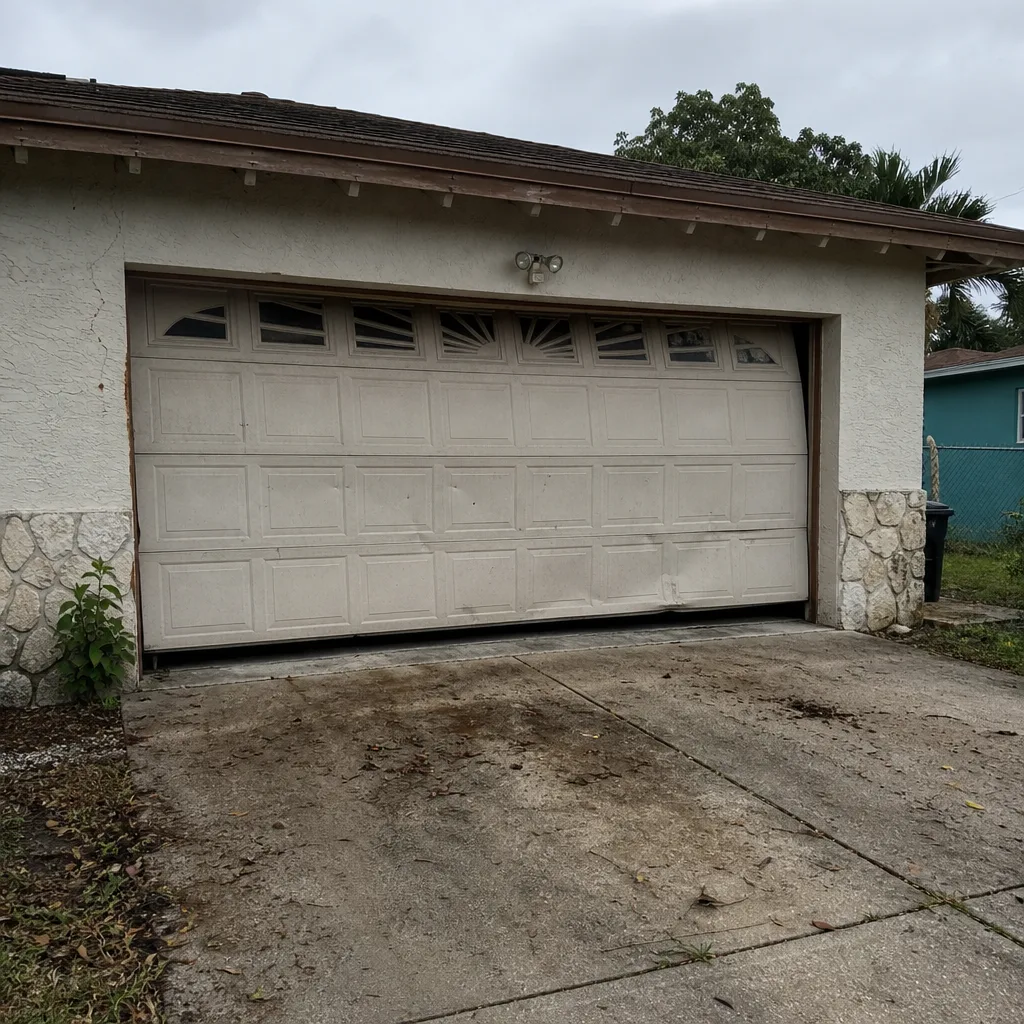
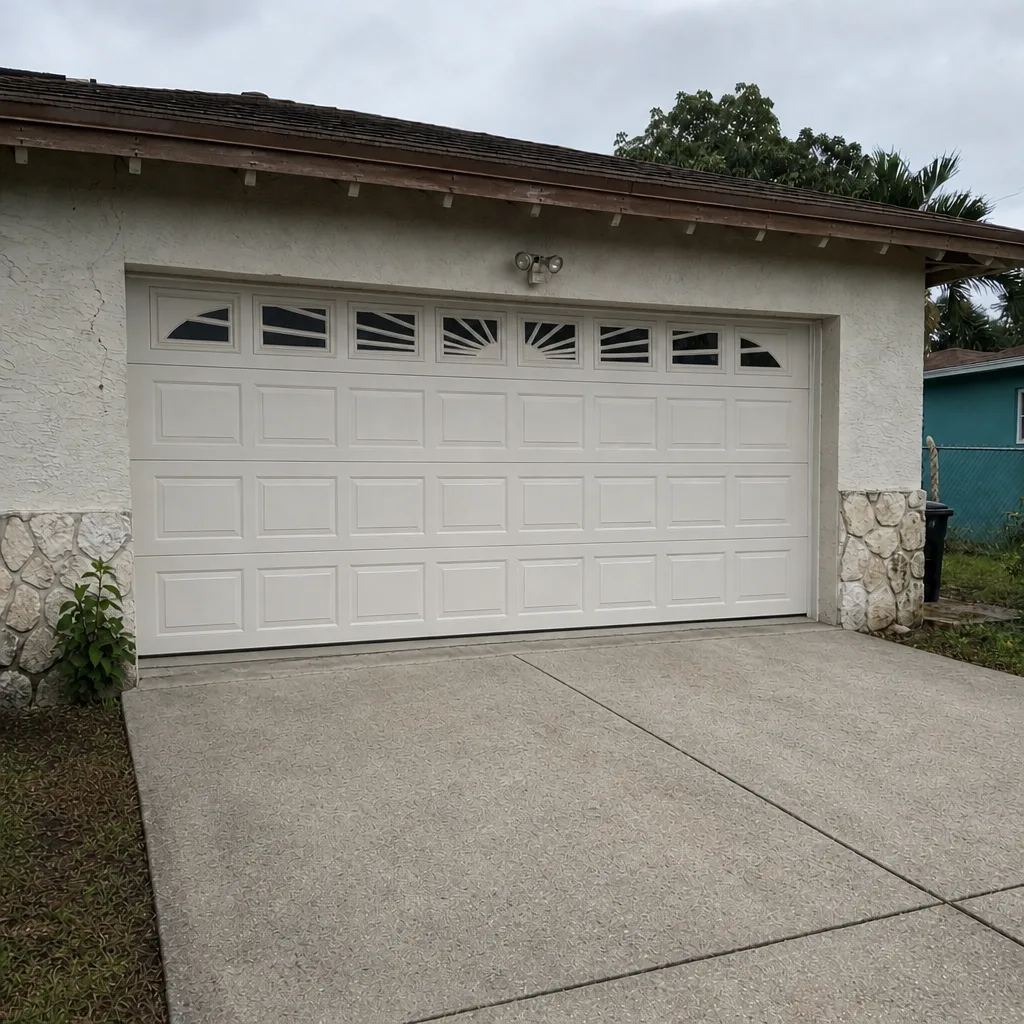
See the difference
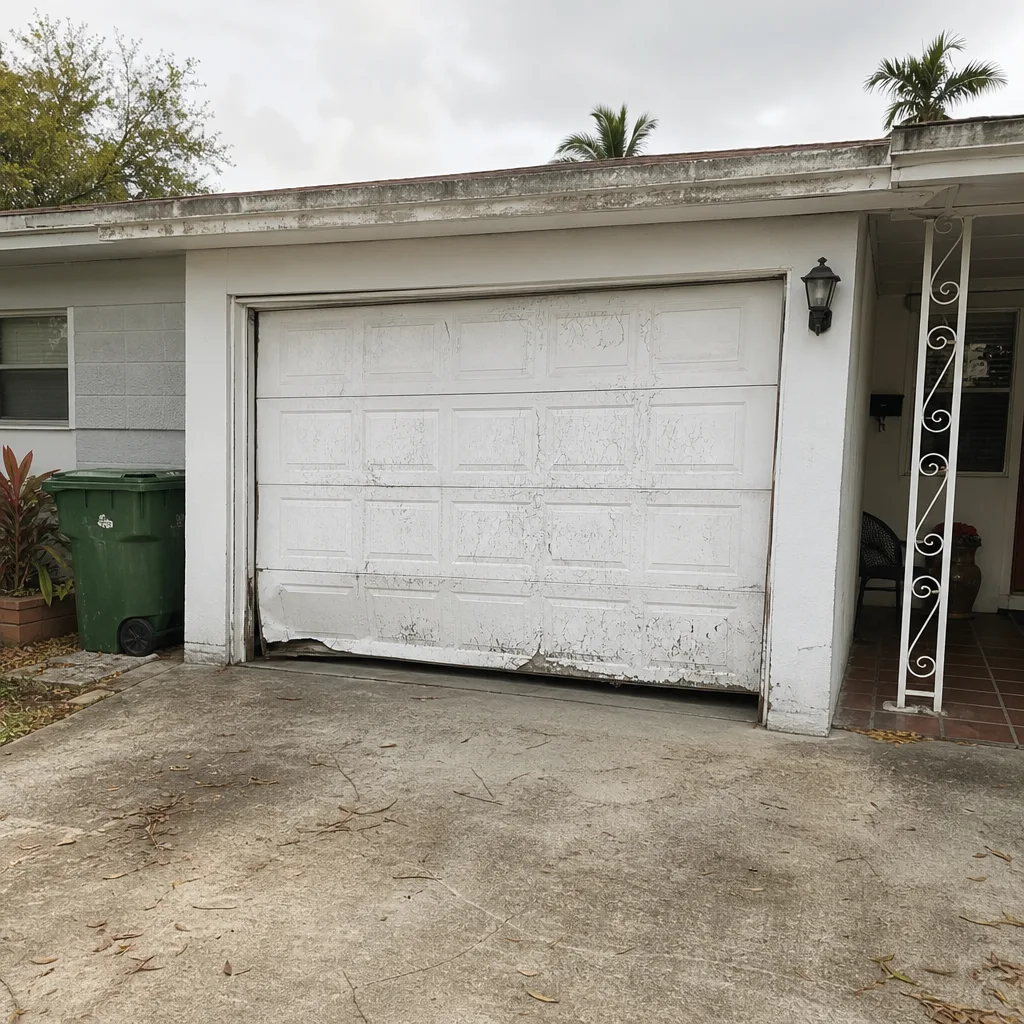 Before
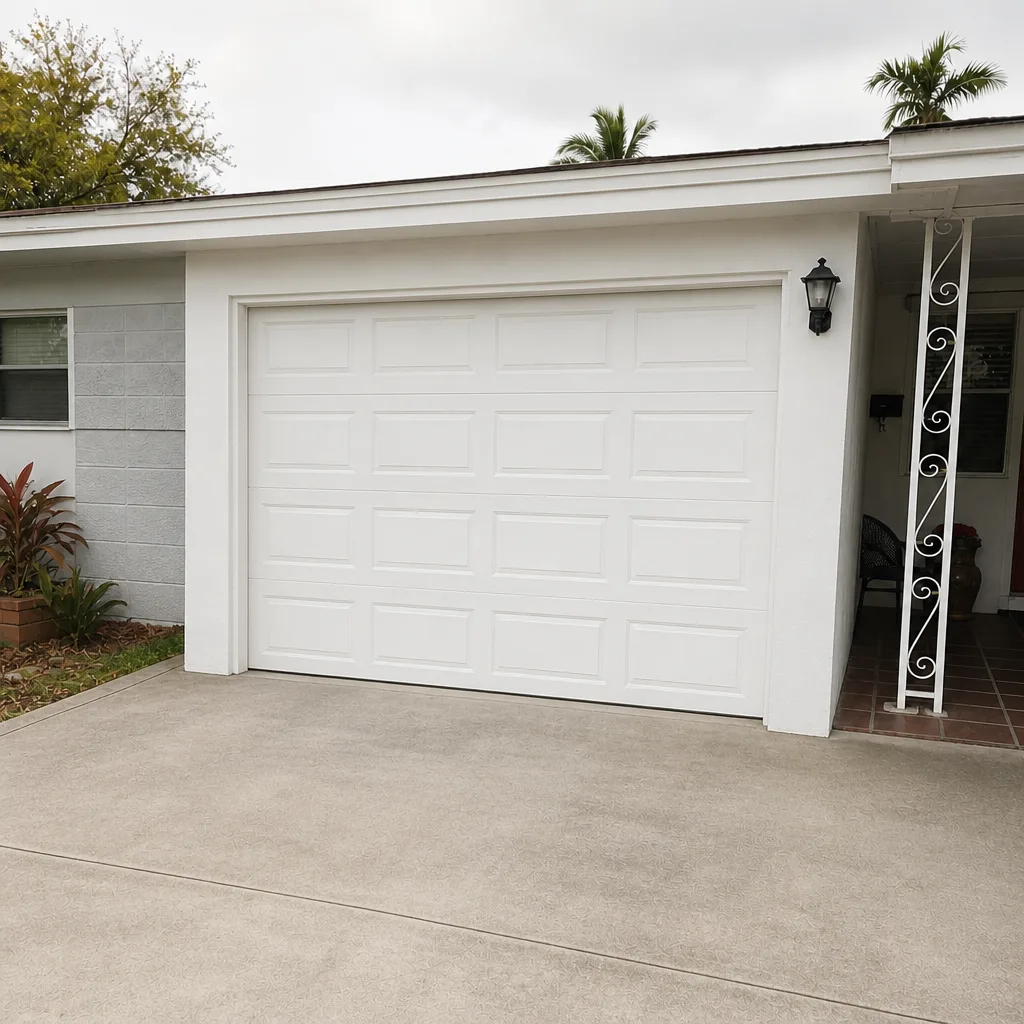 After
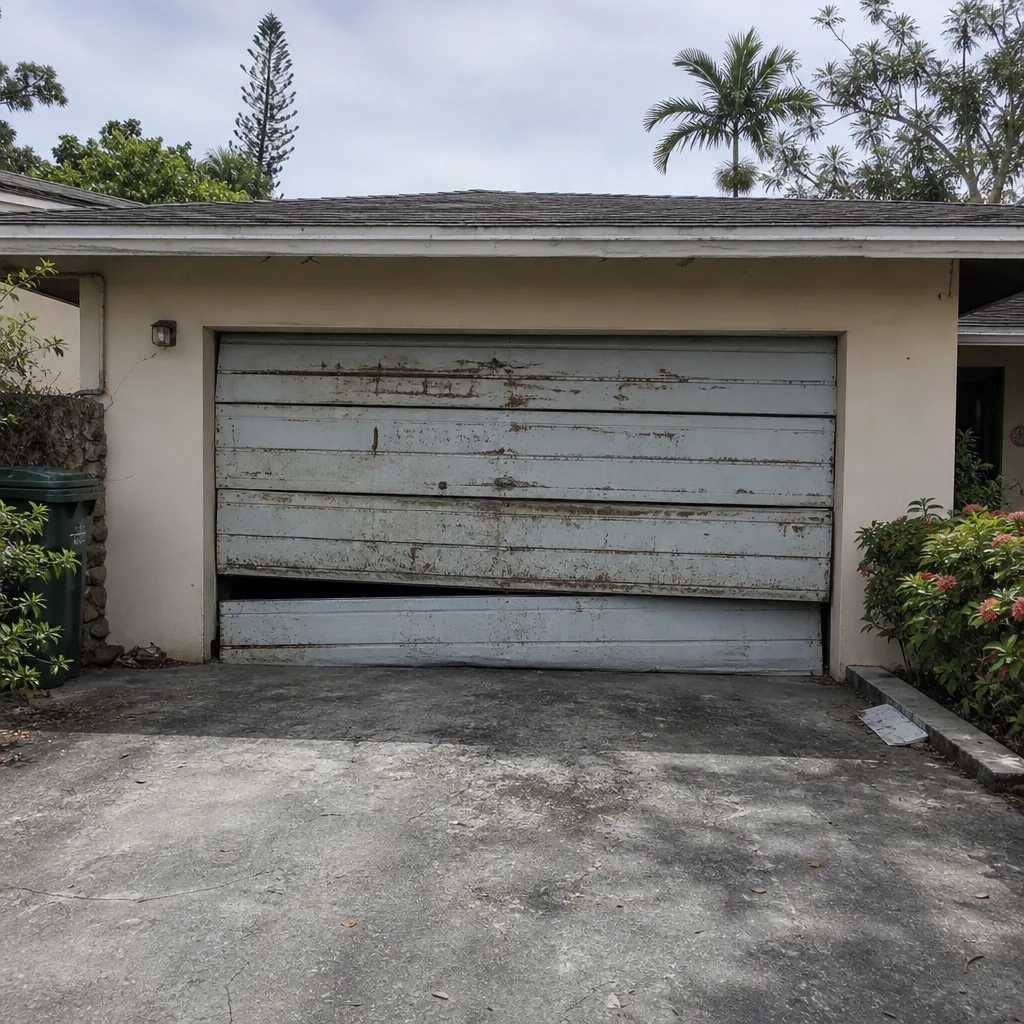 Before
 After
 Before
 After