
Last updated November 23, 2026
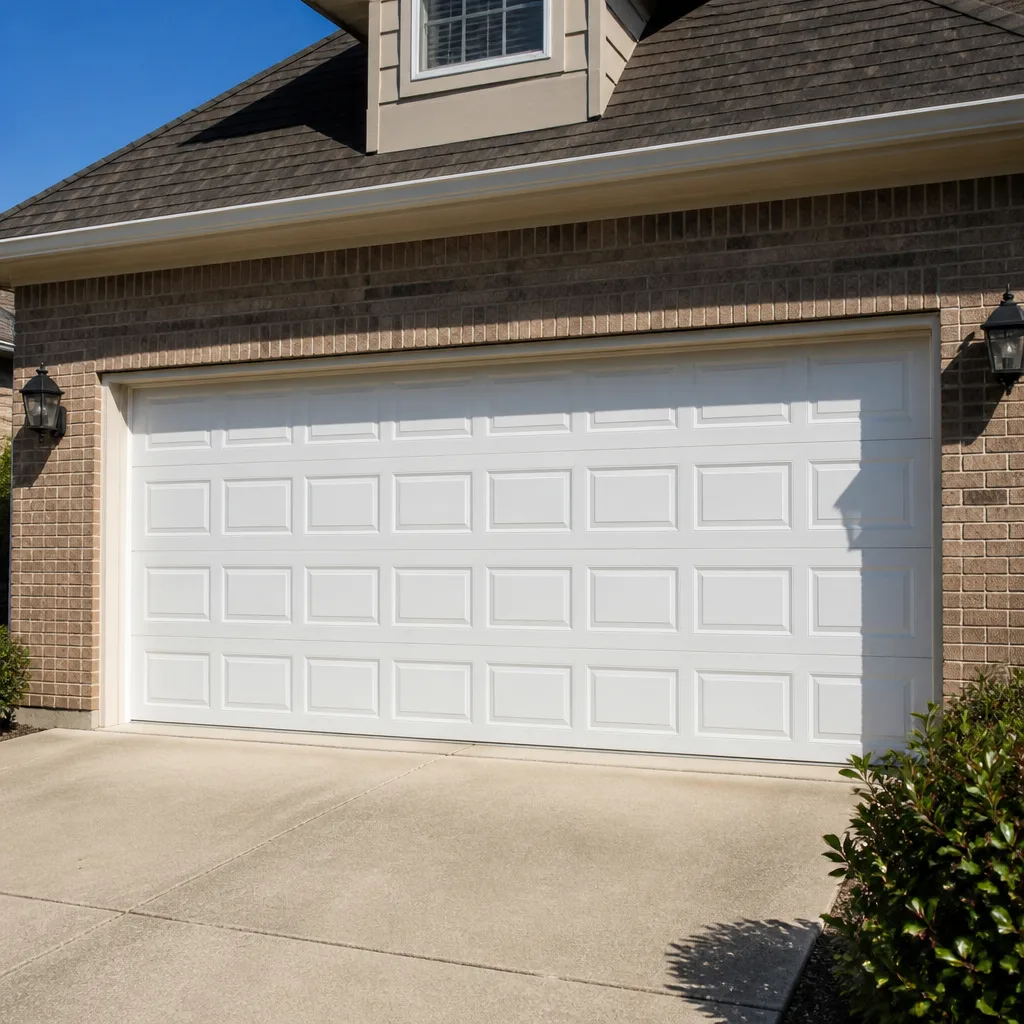 Raised-panel steel
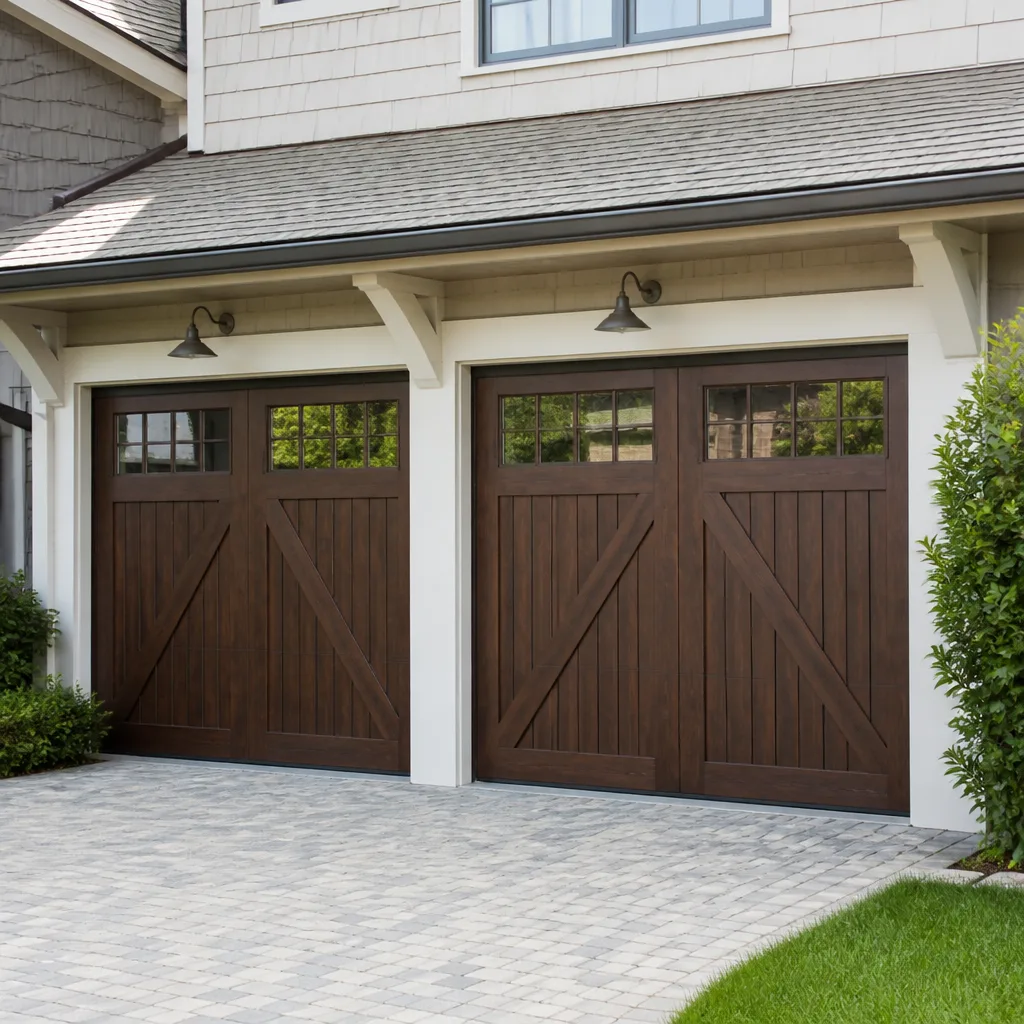 Carriage house
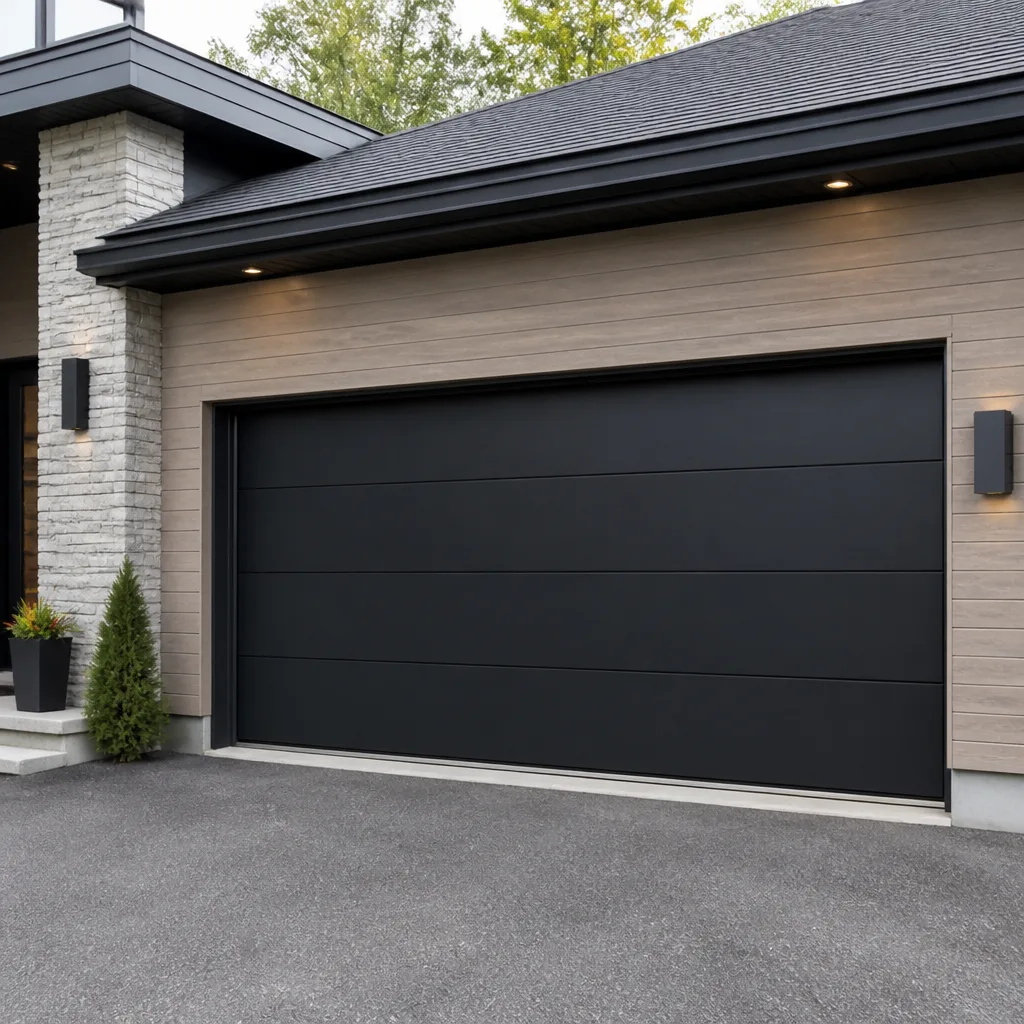 Modern flush
 Full-view glass
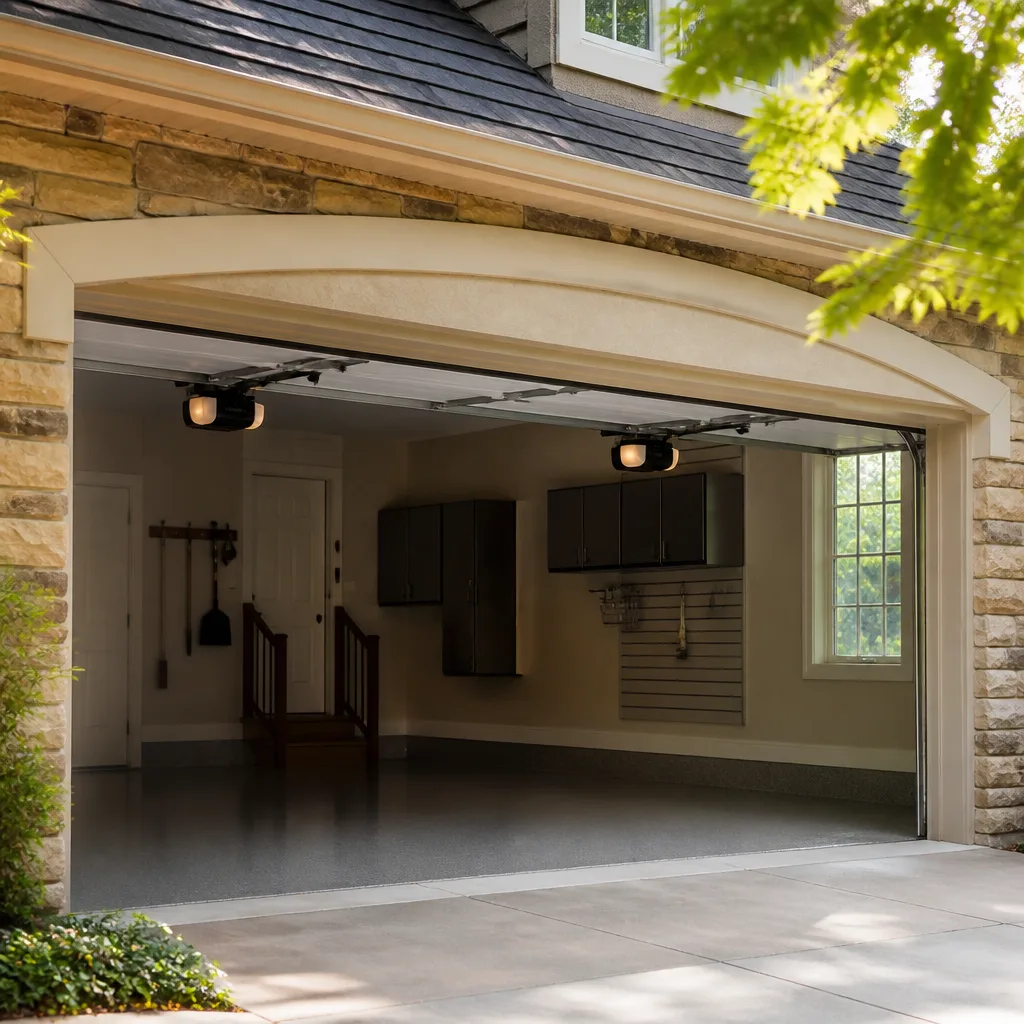 LiftMaster openers
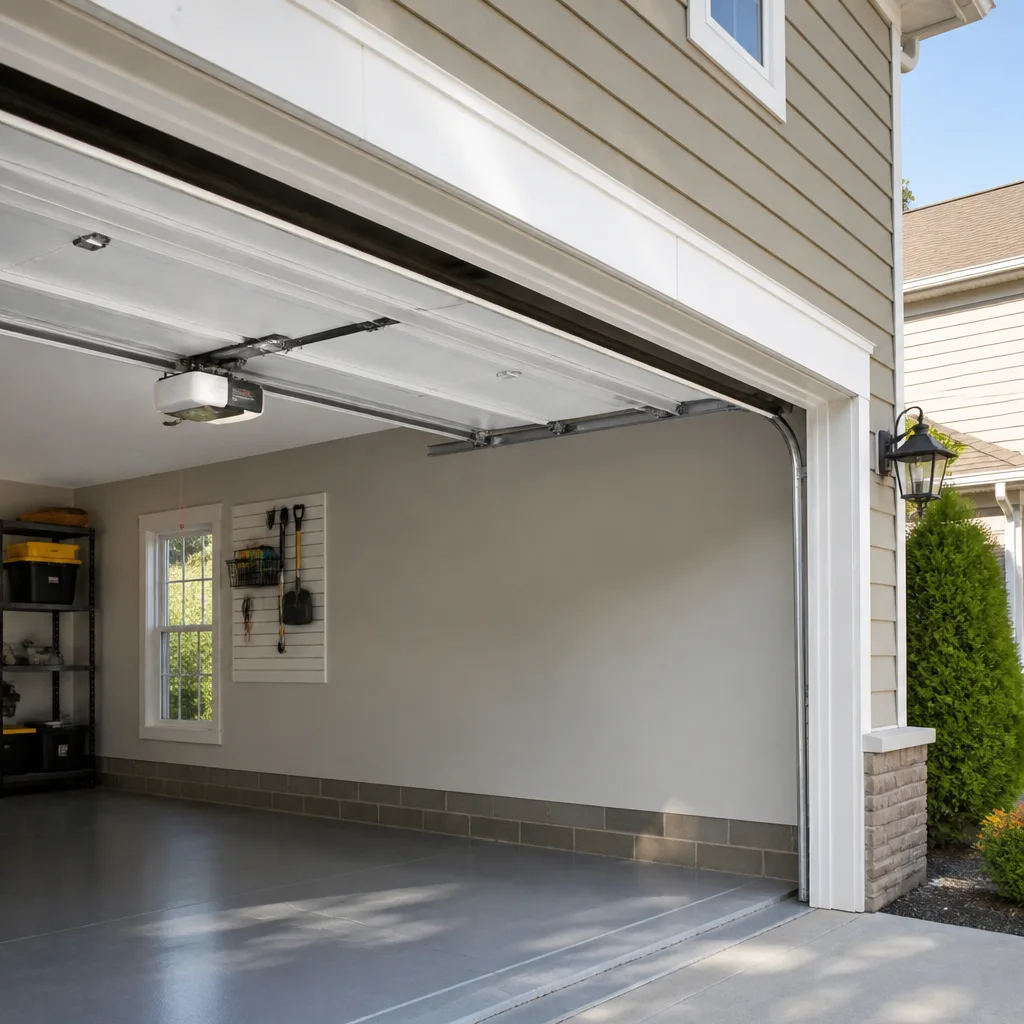 Chamberlain openers
Full 25-point door and opener safety check with every visit - springs, cables, rollers, tracks, and your LiftMaster or Chamberlain opener included
You get a price before we start. It does not change when the pro arrives.
Get your free estimateHow to Hire a Garage Door Contractor in North Miami: A Step-by-Step Guide
The most common mistake we see after a storm or a sudden breakdown is speed. A door jams, a spring snaps, a panel buckles, and the first instinct is to call whoever answers fastest and get it over with. But that urgency is exactly what unlicensed operators count on. Following a major storm, South Florida has seen waves of out-of-town crews going door to door offering cash-priced garage door replacements, sometimes installing doors that carry no Miami-Dade product approval at all. The result can be an inspection that fails and an insurer who questions the work.
What follows is a practical, step-by-step way to vet a garage door contractor in North Miami before you hand over a deposit. It covers license verification, county product approval, the red flags that show up after storms, and the questions that separate a real specialist from a generalist. Read it once now, and you’ll know what to ask when you actually need someone.
Quick Answer
Hiring a garage door contractor in North Miami means three checks before anything else: confirm the contractor’s Florida license through the state DBPR database, ask whether the door and hardware they’ll install hold a Miami-Dade Notice of Acceptance (NOA), and insist on a written estimate that itemizes parts, labor, and permit responsibility. A legitimate contractor welcomes all three. One who dodges them is telling you something.
Styles & brands we work with
- Raised-panel steel
- Carriage house
- Modern flush
- Full-view glass
- LiftMaster openers
- Chamberlain openers
Table of Contents
- Why North Miami Homeowners Need to Vet Carefully
- Step 1: Verify the Contractor’s Florida License
- Step 2: Understand Miami-Dade NOA Product Approval
- Step 3: Spot Post-Storm Red Flags
- Step 4: Ask the Right Questions About Brand Access
- Step 5: Get a Written Estimate That Holds Up
- Step 6: Know What Happens at Installation and Inspection
- Common Mistakes to Avoid
- When to Call a Professional
- Frequently Asked Questions
Why North Miami Homeowners Need to Vet Carefully
North Miami sits in Miami-Dade County, and that single fact shapes how garage door work gets done here. The county has its own product approval system for building components, including garage doors, because high-wind events are a real part of life in South Florida. A garage door isn’t just a moving panel on a track. In a windstorm it’s a large opening in the building envelope. If it fails, pressure gets inside and the consequences extend well beyond a bent door.
That’s why the contractor you hire matters more here than in a market with no wind requirements. A door that isn’t rated and approved for this county may not pass inspection, and it may not perform the way the homeowner assumed. We’ve watched plenty of North Miami homeowners learn this the hard way when a neighbor or relative ended up with a replacement that couldn’t be signed off.
There’s a second layer too: the market itself. North Miami has a mix of older single-family homes, townhomes, and small commercial properties, many with garage doors that are years past their service life. When one fails, the replacement decision comes fast. Combine urgency with a rotating cast of contractors who appear after every storm, and you have conditions where careful vetting pays for itself.
A word on safety while we’re here. A garage door under spring tension is genuinely dangerous. The springs, cables, and torsion assembly carry stored energy that can cause serious injury if handled by someone without the training and tools. That’s not a reason to panic. It’s a reason to hire trained technicians and leave the mechanical work to them. When you’re evaluating a contractor, ask how they handle springs specifically. If they’re vague about it, that’s a data point.
The good news: North Miami has legitimate, brand-familiar contractors who do this work correctly. You just have to know what to look for. The steps below walk you through it.
Step 1: Verify the Contractor’s Florida License
“We’re licensed and insured” is a phrase, not proof. In Florida you can verify it yourself in a few minutes, and you should, before you commit to any garage door project. Here’s the exact process.
- Ask for the license number in writing. A legitimate contractor gives it without hesitation. If you get a stall, a promise to “look it up later,” or a number that turns out to belong to a different company, stop.
- Go to the Florida Department of Business and Professional Regulation (DBPR) license lookup. Their online database is the source of truth for state-certified and registered contractors.
- Search by the license number or the business name. Confirm the name matches the company you’re talking to and that the status reads active.
- Check the license type and scope. Make sure the license actually covers the work you’re hiring for. A license that doesn’t match the job isn’t a license for that job.
- Look at the insurance and workers’ compensation fields. If they’re blank or expired, that’s a risk you’re absorbing.
- Check for complaints or disciplinary history. The database shows what’s public. Read it.
- Confirm the physical business address matches what’s on the license. It should line up with where they told you they operate.
A couple of North Miami-specific notes. Business names can be similar, so match the address as well as the name. And if a contractor claims a license from another state, ask what they’re doing about the Florida requirement. This county doesn’t run on another state’s credential.
This step takes ten minutes and filters out most of the problem. The contractors who pass are usually the ones who wanted to give you the number anyway.
Step 2: Understand Miami-Dade Notice of Acceptance (NOA) Product Approval
A Miami-Dade Notice of Acceptance, usually called an NOA, is the county’s approval document for a building product. It confirms that a product, such as a garage door model or a set of hardware, has been evaluated for use in this county and meets the standards applied here. For garage doors in North Miami, this matters. A contractor who can’t reference the NOA process, or who brushes the question off, shouldn’t be installing a new door in this county.
Here’s how to think about it in practice:
- Ask directly. “Does the door you’re proposing have a Miami-Dade NOA?” A real installer knows the answer and can point you to the approval for the specific model.
- Match the model, not the brand. An NOA applies to a particular product line, not every door a manufacturer makes. If they say “all Brand X doors are approved,” that’s a warning sign.
- Ask about hardware. Anchors, tracks, and mounting details are part of the assembly being installed. Wind-rated doors depend on correct installation, not just the panel.
- Ask about permit responsibility. Typically the licensed contractor handles permitting and inspection coordination. Get that in writing.
- Expect questions back. A good installer will ask you about the opening size, wall construction, and any prior replacement. That’s how they match the right NOA product to your North Miami home.
Why does this matter for a homeowner who isn’t moving? Because a non-compliant door can complicate a future sale, inspection, or insurance review. And because a door that isn’t suited to this county’s requirements may not hold up the way it should. If you’re replacing a door that’s there now, you’re making a decision that affects the home for years. The NOA is part of doing it right.
One more point: the NOA is specific to Miami-Dade. If a contractor tells you the door is approved “for Florida,” ask specifically about the Miami-Dade approval. The county system is its own thing, and you want to hear that name.
Step 3: Spot Post-Storm Red Flags
After a storm, out-of-area contractors arrive in South Florida and offer garage door service at what sounds like a bargain. Some are legitimate. Many aren’t. The red flags below are specific enough to use in conversations, not vague warnings.
- Door-to-door solicitation with pressure to decide now. A contractor who knocks and pushes you to sign on the spot is selling, not assessing. A real technician wants to see the door and measure the opening before quoting.
- Cash-only pricing with no written paperwork. Cash isn’t the problem. Cash with no invoice, no license number, and no written estimate is. You’ll have no record if anything goes wrong.
- No physical business address. Ask for the address and look it up. If the company can’t point to a real place they operate from, that’s a concern.
- No license number offered. Or a number you can’t verify. Re-read Step 1 and use it.
- A price that seems well below what the job requires. A complete garage door replacement with a rated door, hardware, and installation isn’t a small project. If a quote comes in dramatically lower than others, ask what’s missing. Usually it’s the rated product, the permit, or both.
- Vagueness about NOA and permit. “Don’t worry about that” is not an answer. It’s a reason to look elsewhere.
- No written estimate, or one that’s just a total number. See Step 5. A legitimate contractor itemizes.
We’ve talked to enough frustrated North Miami homeowners to know that these red flags cluster together. When you find one, look for the others. Rarely is there just a single warning sign.
This applies beyond storms, by the way. The same cues show up during ordinary breakdowns, when a homeowner is stressed and willing to move fast. The vetting steps don’t take long. Use them.
Step 4: Ask the Right Questions About Brand Access
Here’s something most homeowners don’t think about until after they’ve signed: does the contractor actually work on your brand, or will they steer you to what they stock? A single-brand dealer will sell you their brand. A multi-brand specialist can source the right door or opener for your home, which matters when you’re repairing rather than replacing.
At our shop, we work on equipment from LiftMaster, Chamberlain, Genie, Clopay, Amarr, Wayne Dalton, Craftsman, and Raynor. That range is intentional. It’s what actually gets installed in homes, and it means we don’t need to talk you into a different product to make the job fit. When you’re vetting a contractor, use these questions:
- “What brands do you work on, and can you source parts for mine?” A technician who knows your brand diagnoses faster and avoids the “that part is hard to find” routine. Ask about your specific model.
- “What openers do you handle?” You want to hear that they cover both older mechanical systems and connected smart openers, not just one line. Opener expertise isn’t a separate job in most homes, so the contractor should handle the door and the opener together.
- “If repair makes more sense than replacement, will you tell me?” A brand-familiar contractor can make that call. A single-brand dealer often can’t, because their incentive is to sell a new door.
- “Do you do springs, or do you hand that off?” Spring work is the most demanding part of the trade. If a contractor doesn’t do springs, they’re a partial solution. A company that handles springs, openers, panels, and full door installation is the one you want for the whole job.
- “Will the same company handle the whole project?” Single point of contact from diagnosis through installation. No handoffs to a subcontractor you’ve never met.
One thing to be careful about: brand access is not the same as brand ownership. A contractor telling you they’re “a certified Brand X dealer” may only sell that brand. Asking what they can service is the better question. A specialist who knows Amarr and Clopay and Wayne Dalton will be more helpful on a repair than a showroom that only sells one of them.
If your opener is part of the problem, brand access affects what they can do there too. Modern LiftMaster and Chamberlain systems connect to smart-home setups, and older units need a different approach. A contractor who handles the full range is the right call. For more on that side of the work, see our garage door opener repair page.
Step 5: Get a Written Estimate That Holds Up
A verbal quote is where disputes are born. The number on the phone and the number on the invoice can drift apart without a written estimate, especially when a job turns out to need more than the contractor expected. In Florida, a written contract protects you, and it’s also the mark of a contractor who intends to do the work correctly. Here’s what a legitimate written estimate should include for a garage door project in North Miami.
- Contractor identification. Business name, physical address, phone, and the Florida license number. If it’s missing, ask for it.
- Specific scope of work. Repair, replacement, opener work, or full installation. What’s included, and what’s not.
- Parts, listed by brand and model. Confirm the door and opener are the specific products quoted, not “or equivalent.” If it’s a replacement, ask for the NOA reference.
- Labor. Broken out, so you can see what you’re paying for.
- Permit responsibility. State whether permitting and inspection are included. For a new door in Miami-Dade, this is a real line item.
- Total price, in writing. Agreed before any work starts.
- Payment terms. What’s due when, and the method. Be cautious of large cash deposits up front with no contract.
- Start and completion expectations. Installation work is measured and scheduled, not same-day. Get the timeline in writing.
Notice what we didn’t put on this list: same-day installation. If you’re replacing a door, that work involves measuring the opening, ordering the right rated product, and scheduling. Any contractor promising immediate installation of a rated door without a measuring step is worth scrutinizing. Repairs are different, and we’ll get to that.
The estimate should be free and the price should be agreed before work starts. If a contractor won’t put the price in writing, that alone is your answer. For repair-side work, our garage door repair service page goes into how the diagnosis and quote process works.
Step 6: Know What Happens at Installation and Inspection
If you’re getting a full door replacement in North Miami, the job has a sequence. Understanding it helps you know whether the contractor is doing it properly. Here’s how a well-run replacement typically goes.
- Measure and verify. The contractor measures the opening, checks the wall construction, and confirms the right product from the brand’s line. This is where the NOA match happens.
- Order and schedule. The door and hardware are ordered. You get a scheduled installation.
- Permit and pre-install prep. If permitting applies, it’s filed. The existing door and hardware come down; springs and cables are handled by trained technicians with the right tools.
- Installation. The new door, tracks, and hardware go up. Anchors and mounting are part of the wind-rated assembly, so this is where craft matters.
- Balance and test. The door is adjusted, the springs are balanced against the door’s weight, and the opener is set up and tested. Safety features are verified.
- Inspection. If a permit was pulled, the county inspects. The contractor should coordinate this and make sure the final door matches what was approved.
- Walkthrough. You get a review of the operation and any documentation for the install. Keep the paperwork.
Two things to watch during this process. First, if the door arrives and the model doesn’t match the quote, ask before installation begins. Second, if the contractor’s crew seems unsure about springs, that’s a concern. Spring work is its own skill and safety risk. It shouldn’t be improvised.
For repair work rather than replacement, the sequence is shorter. Diagnosis, written quote, approval, repair. The homeowner’s main job is to make sure the quote is written and agreed before anything gets taken apart. If you suspect you’ll need spring work specifically, our garage door spring repair page covers what that involves.
For the full picture of what we do across repair, springs, openers, and installation, start with North Miami Garage Door Repair.
Common Mistakes to Avoid
- Hiring the first company that answers after a storm. Speed is not the same as competence. Use the license check and the NOA question before committing, even when you’re stressed. Ten minutes of vetting saves much more than that later.
- Skipping the DBPR lookup because the contractor seemed nice. A pleasant phone manner says nothing about licensure. Verify it yourself. It’s the one piece of homework you can’t outsource.
- Accepting a verbal quote on a door replacement. In North Miami, a full door replacement with rated product and installation is significant work. Get it in writing, itemized, with the license number on the document.
- Assuming every door sold in Florida meets Miami-Dade requirements. It doesn’t. Ask for the NOA reference on the specific model being installed. A vague “it’s approved” is not the same as a match.
- Letting a single-brand dealer decide your repair-or-replace call. If the contractor only sells one brand, the incentive tilts toward new product. Ask directly whether repair is viable for your door.
- Paying cash with no written paperwork. A legitimate contractor provides documentation. Cash-only pricing with no invoice, no license number, and no NOA reference leaves you with nothing if the install fails inspection.
- Handling a broken spring yourself, or letting an untrained helper do it. Springs carry stored energy and can release without warning. That’s not a DIY project. Leave it to a trained technician.
When to Call a Professional
Save the number for a real contractor before you need one. Here are the situations where you should call rather than wait. If your garage door won’t open or close, especially with a car trapped inside or an insecure opening in the home, that’s a call. If you hear a loud snap, see a broken spring, or notice the door hanging unevenly on one side, don’t run the opener. That can damage more and it’s a safety issue. If the door reverses on its own, fails to close fully, or the opener light flashes an error code, an opener check is the right move. If a panel is damaged after a storm, a visual inspection with a written quote is the next step. And if your garage door is very old and has needed repeated repair, a replacement evaluation is worth the time.
North Miami Garage Door Repair offers free estimates in North Miami. Call (888) 923-0242. We answer 24/7. Fast dispatch from 7am to 7pm, Sunday through Friday. Our technicians have up to 9 years of experience, and the price is quoted and agreed before any work starts.
Frequently Asked Questions
Use the Florida DBPR online license lookup. Ask the contractor for their license number in writing, search it in the DBPR database, and confirm the company name and physical business address match. The record also shows license status, insurance, and workers’ compensation fields. Verify the license type covers the work you’re hiring for. If the number doesn’t verify or the name doesn’t match, don’t proceed. Call (888) 923-0242 for a free estimate from a vetted North Miami contractor.
An NOA is the Miami-Dade Notice of Acceptance, the county’s product approval for a specific building product. For a new garage door in North Miami, ask the contractor to confirm the specific model being installed holds an NOA. Approval applies by product line, not by brand. Ask about the hardware and installation too, since the assembly matters. If a contractor can’t reference the NOA process, get a second quote. Call (888) 923-0242 for a free estimate.
Pricing depends on the job, which is why we quote per job with a written estimate before work starts. A minor opener adjustment, a track alignment, or a safety-reversal fix is a smaller job than a spring replacement or a panel repair. Ask for an itemized written estimate that lists parts, labor, and any permitting responsibility. The estimate is free and the price is agreed before any work begins. Call (888) 923-0242 for an exact quote.
Yes for repairs. We answer 24/7, with fast dispatch from 7am to 7pm, Sunday through Friday. A call outside dispatch hours is booked into the next opening. Same-day repair is possible for many breakdowns. A call outside dispatch hours is booked into the next opening, Sunday through Friday, 7am to 7pm. Installation and full replacement are measured, ordered, and scheduled, so those are planned jobs. Call (888) 923-0242 for a free estimate.
The written estimate sets the price, and that price is agreed before any work starts. If a repair uncovers something the diagnosis didn’t catch, you hear about it before we proceed, not after. That’s why we put the scope in writing. Repair pricing is per job, not per hour, so the number you agree to is the number on the estimate. Call (888) 923-0242 for a free estimate in North Miami.
The local professionals we connect you with are licensed and insured as their state requires. Ask for the license number and verify it through the Florida DBPR database before work starts. Our technicians have up to 9 years of experience, and we work on equipment from LiftMaster, Chamberlain, Genie, Clopay, Amarr, Wayne Dalton, Craftsman, and Raynor. Call (888) 923-0242 for a free estimate.
The Bottom Line
Hiring a garage door contractor in North Miami comes down to three checks and one habit. The checks: verify the license through DBPR, confirm the Miami-Dade NOA on any door being installed, and get a written, itemized estimate before anything starts. The habit: treat urgency as a signal to slow down, not speed up, because post-storm surges are when the wrong contractors show up. A legitimate contractor welcomes every question in this guide. Ask about brand access, ask about springs, ask who handles the permit. The answers will tell you what you need to know.
If you’d like a free estimate for repair, spring work, opener service, or a full door replacement, call North Miami Garage Door Repair at (888) 923-0242. We answer 24/7. Fast dispatch from 7am to 7pm, Sunday through Friday. The price is quoted and agreed before any work starts, and our technicians have up to 9 years of experience across the brands North Miami homes actually have installed.
Written by the team at North Miami Garage Door Repair.
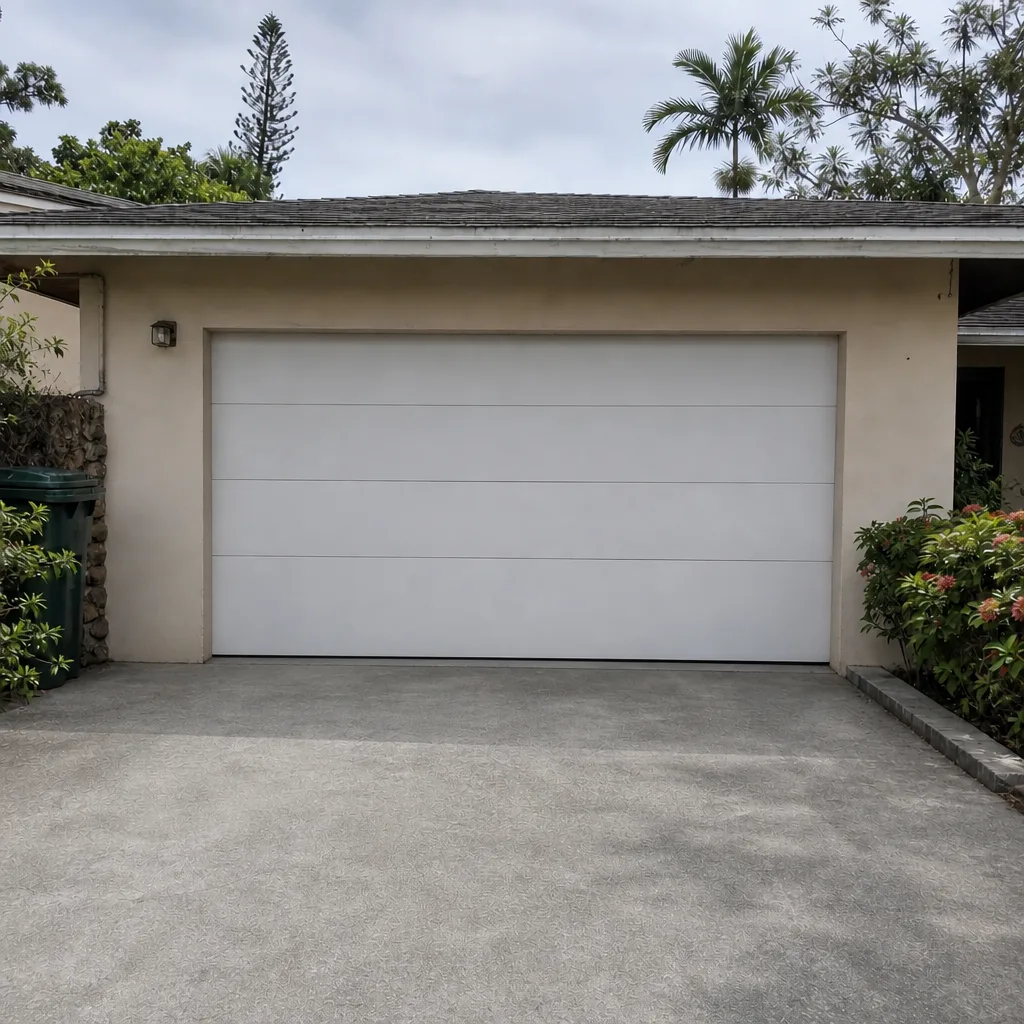
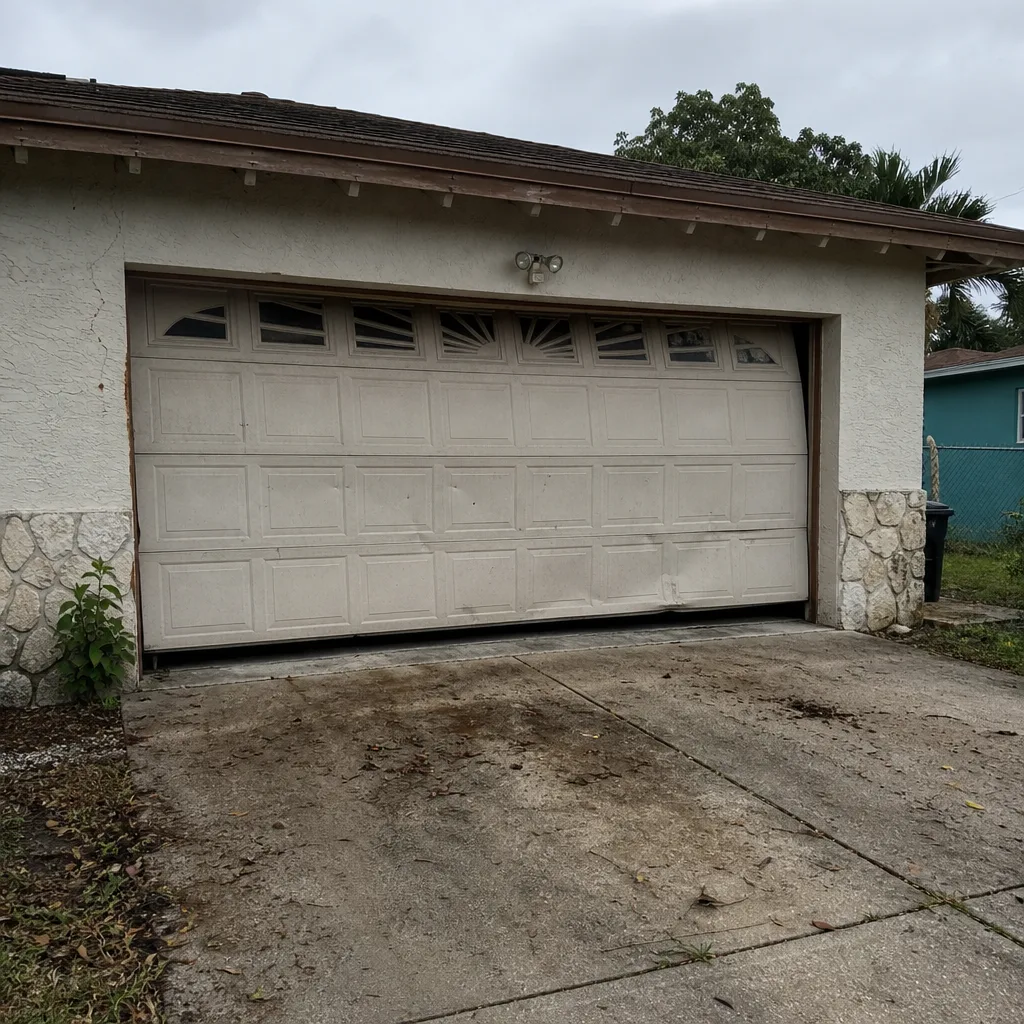
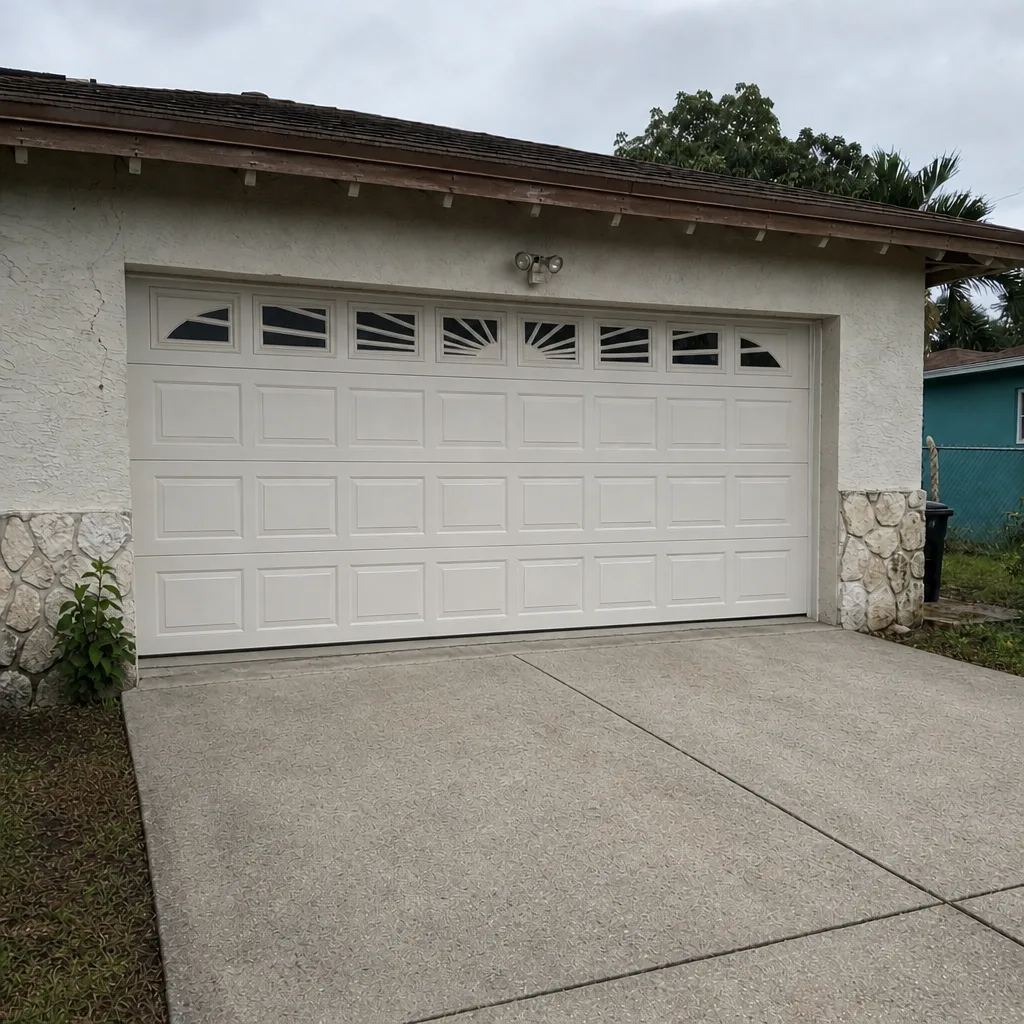
See the difference
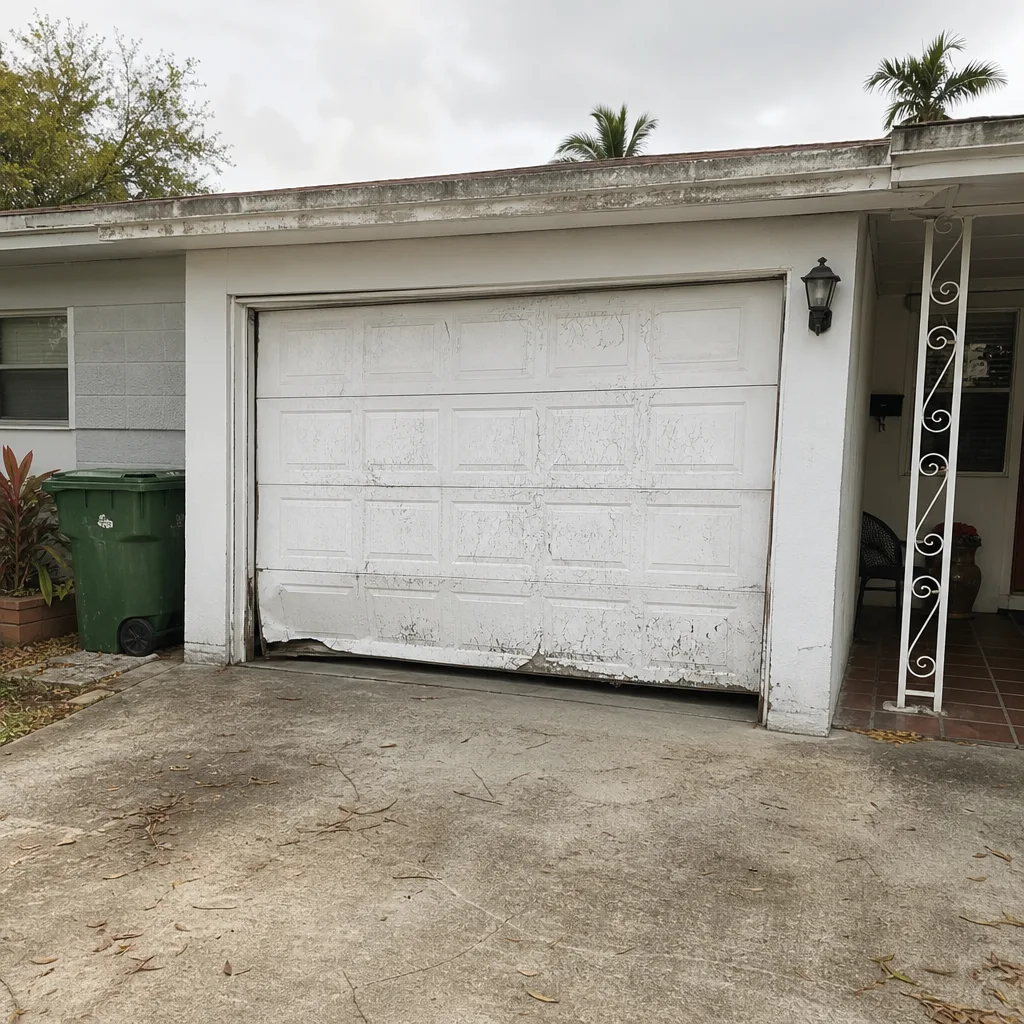 Before
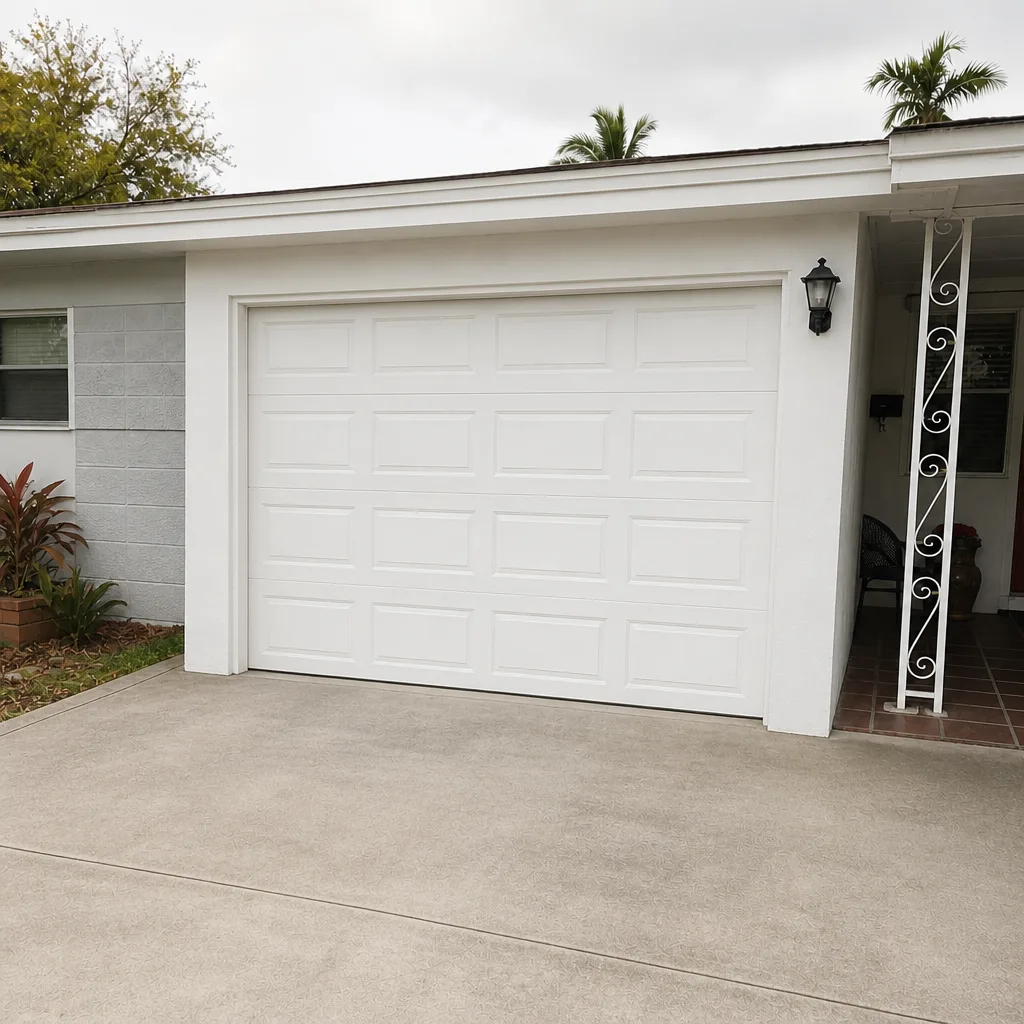 After
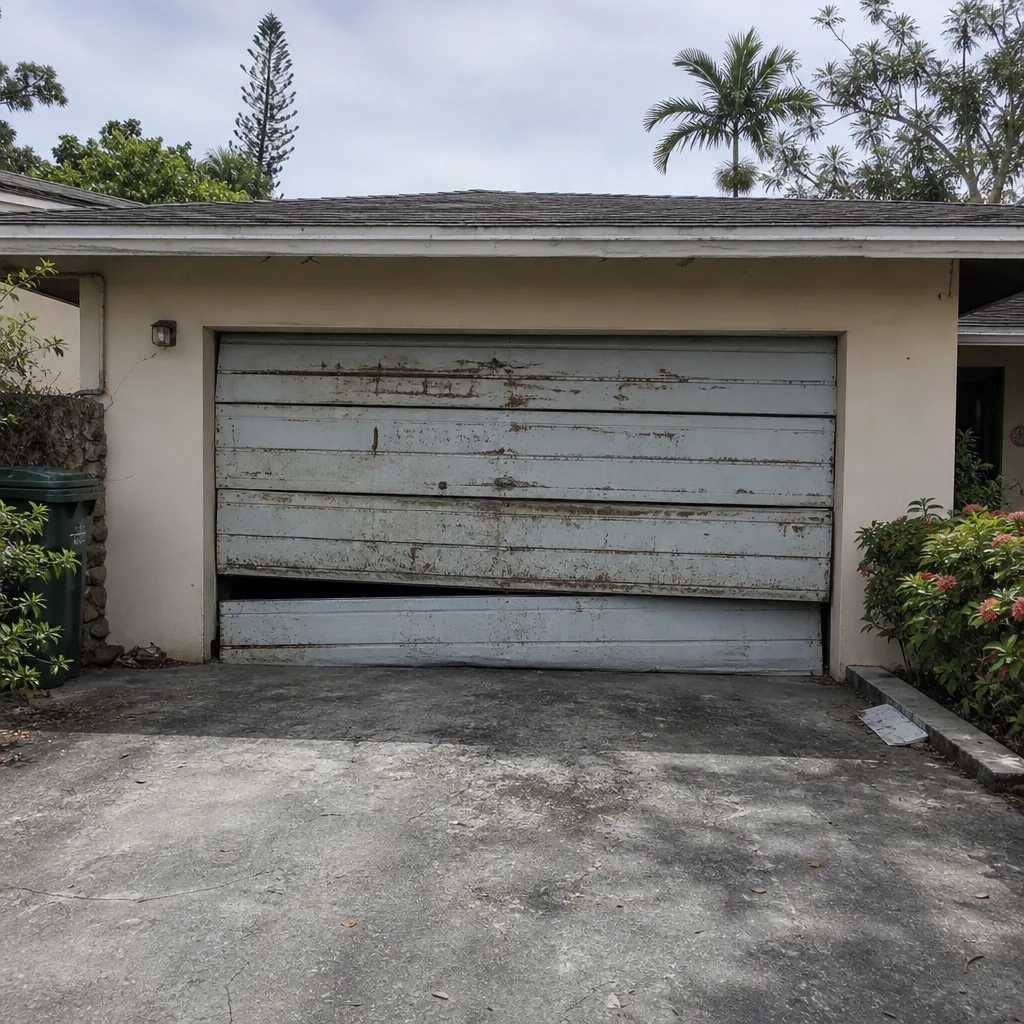 Before
 After
 Before
 After