
Last updated November 23, 2026
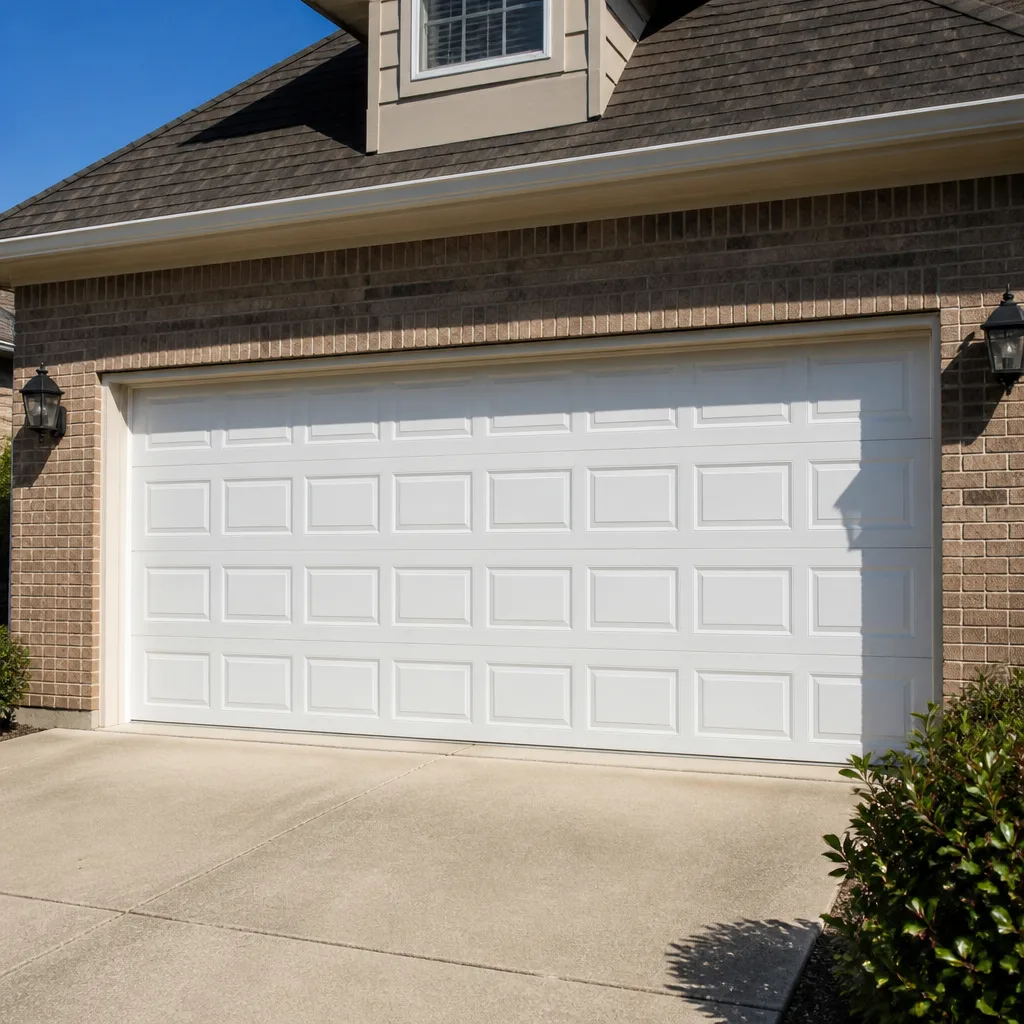 Raised-panel steel
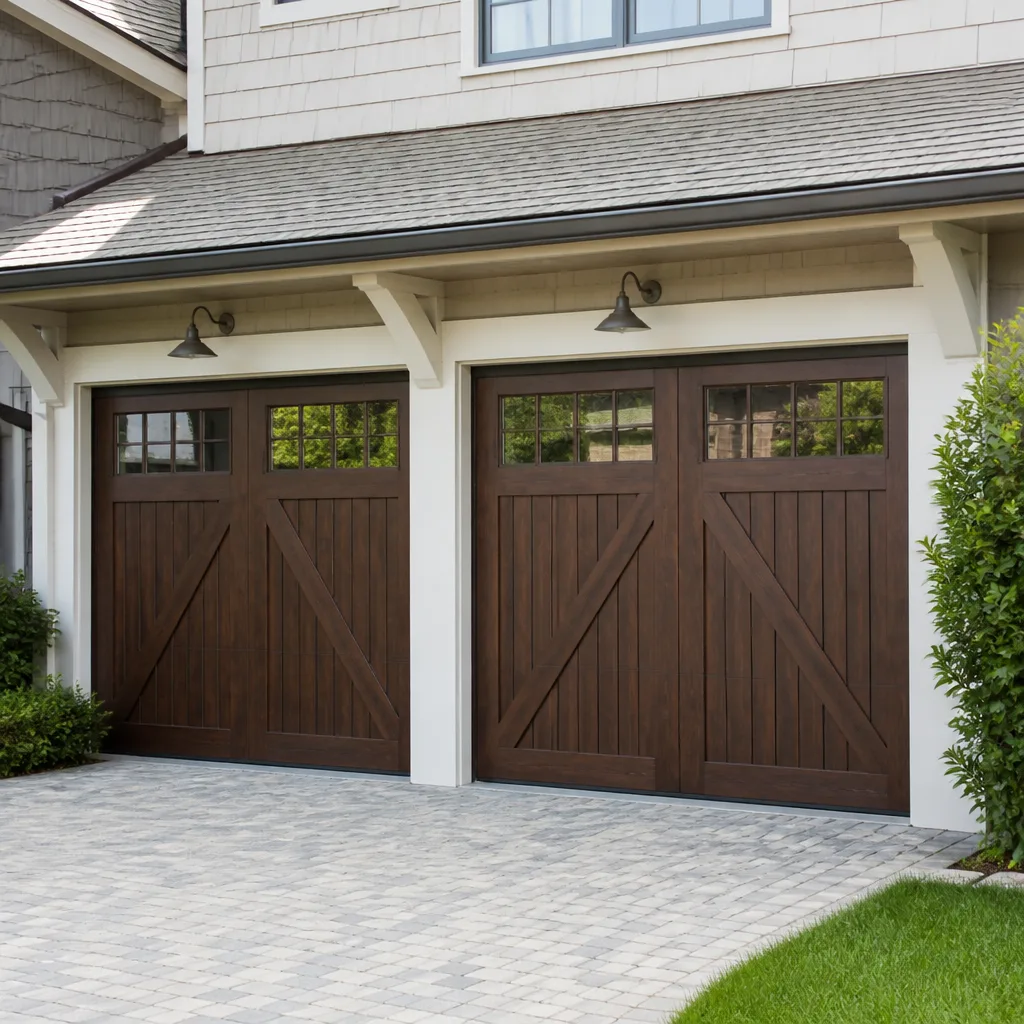 Carriage house
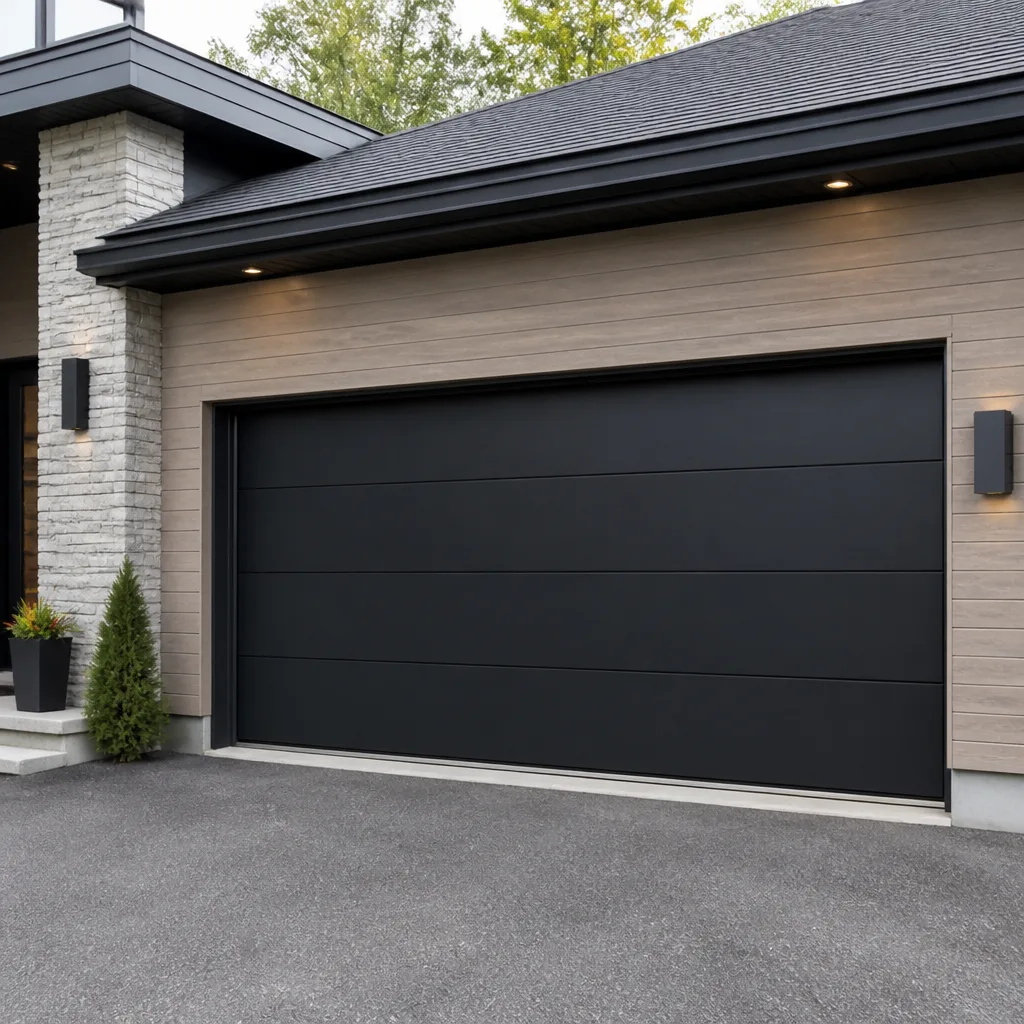 Modern flush
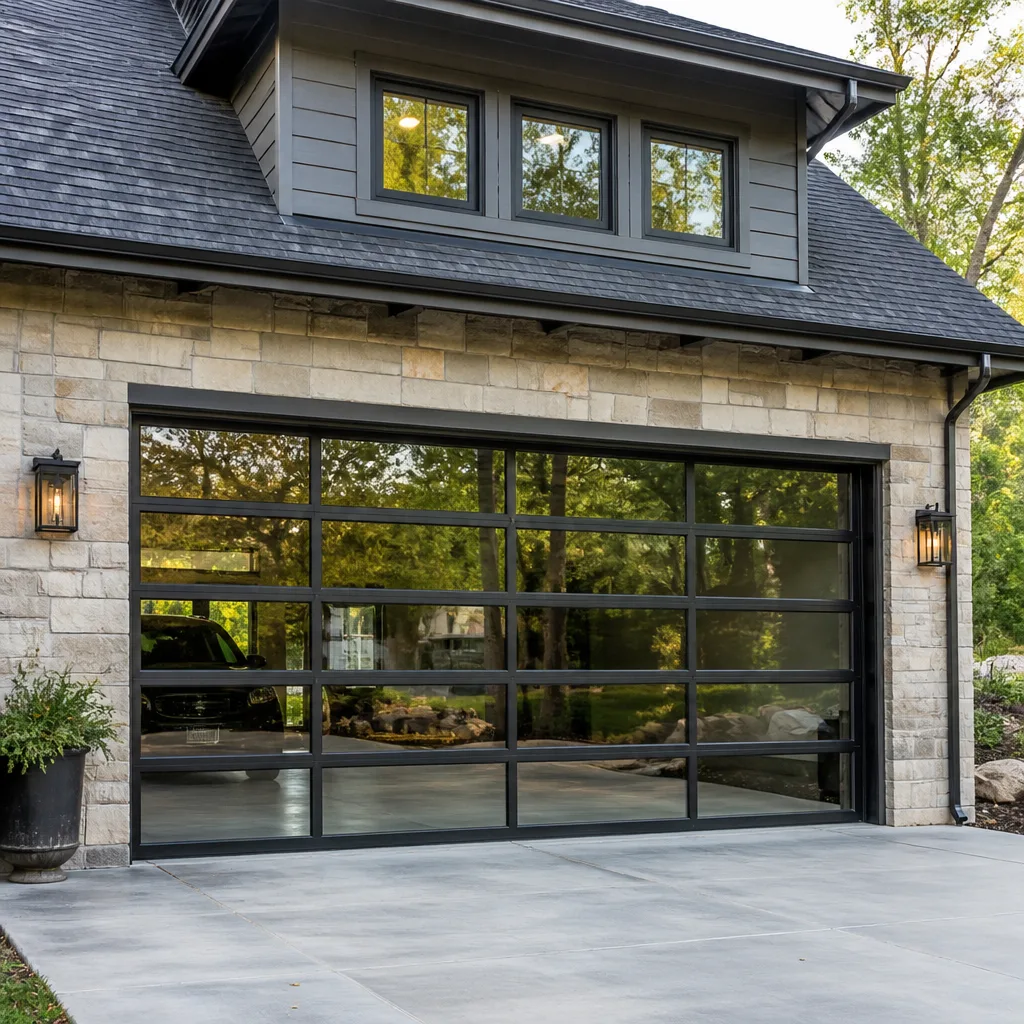 Full-view glass
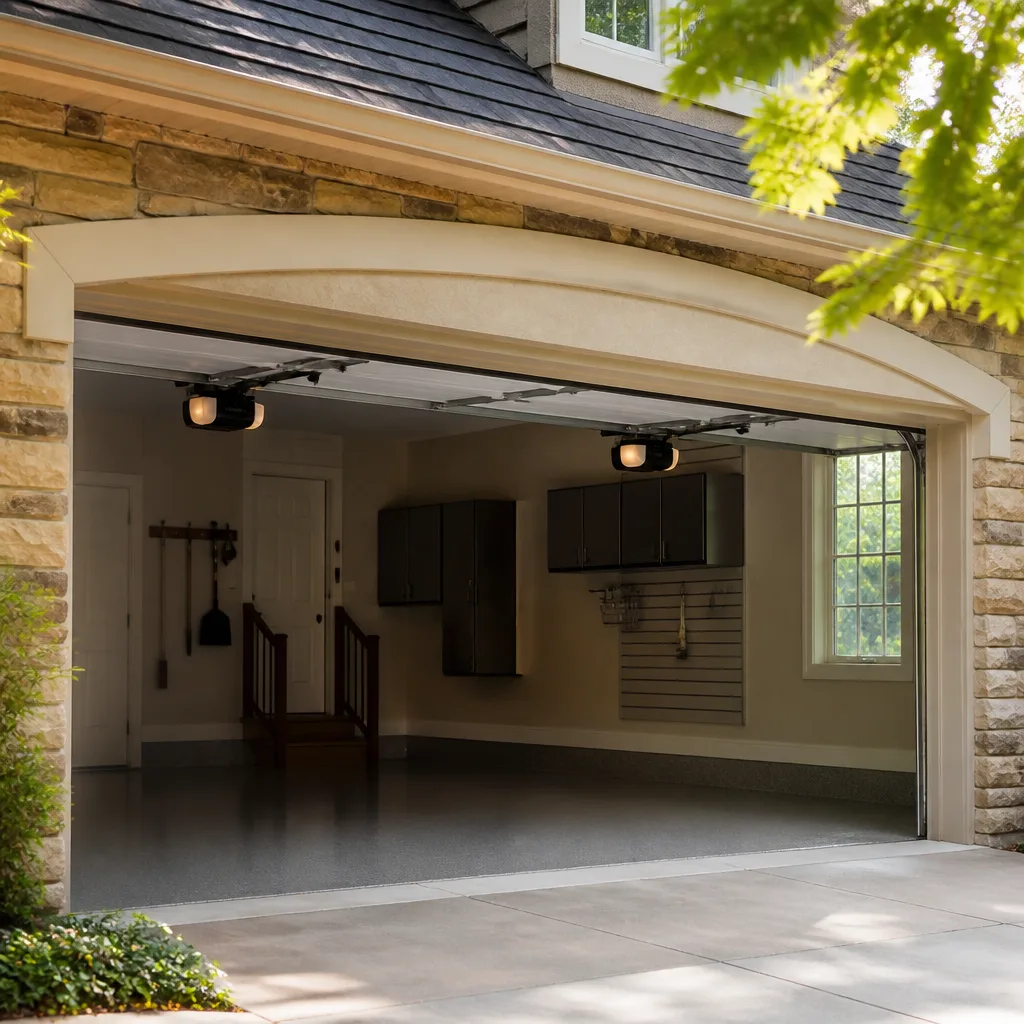 LiftMaster openers
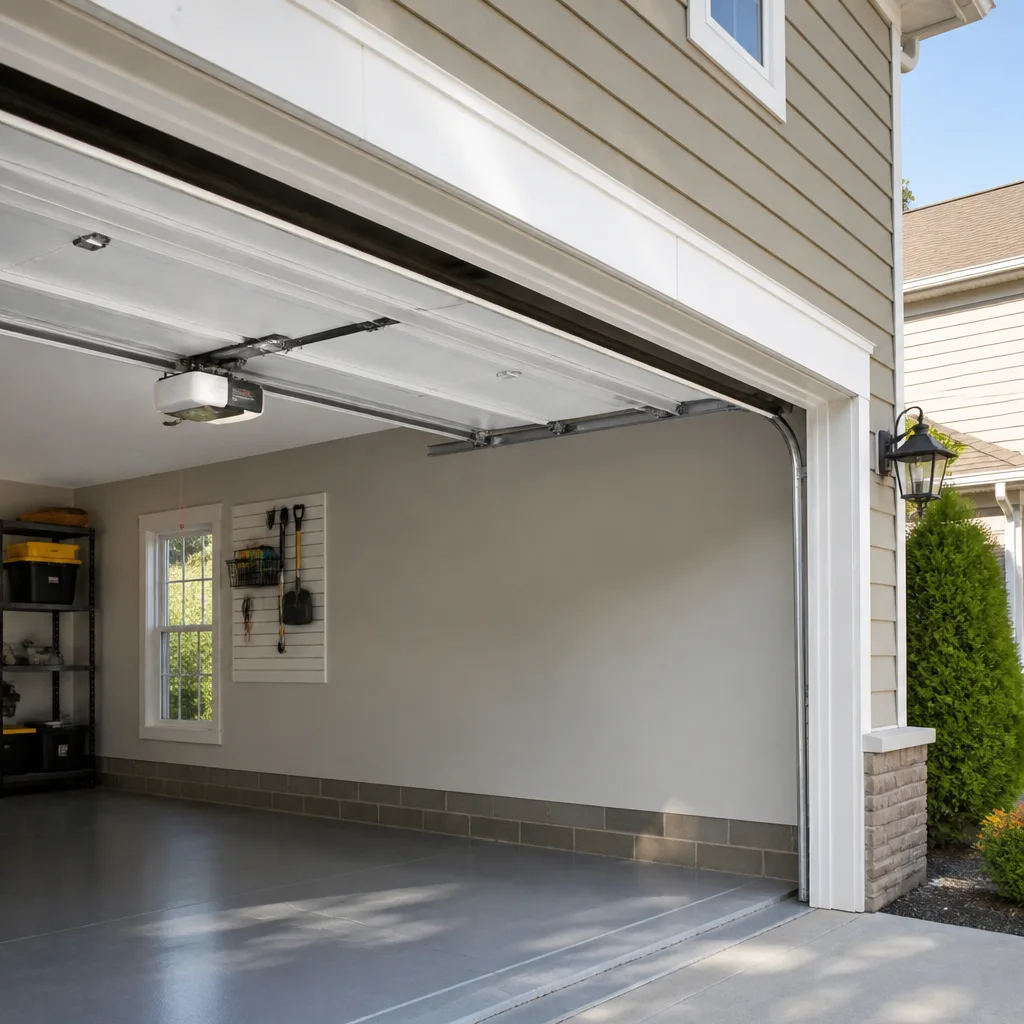 Chamberlain openers
Full 25-point door and opener safety check with every visit - springs, cables, rollers, tracks, and your LiftMaster or Chamberlain opener included
You get a price before we start. It does not change when the pro arrives.
Get your free estimateGarage Door Repair Maintenance Checklist for North Miami Homeowners
Here’s what surprises people: a garage door can pass every visual check you’d find in a national maintenance guide and still be three weeks from a snapped torsion spring. Those generic checklists were written for dry climates where steel rusts slowly and wood stays stable. North Miami is not that place. The combination of year-round humidity, intense heat, and mineral-heavy moisture attacks specific parts of your door on a schedule no manufacturer’s manual accounts for. If you follow the standard advice, you’ll lubricate the wrong parts and ignore the ones that are actually degrading. What follows is the checklist we’d hand to a friend buying a house in North Miami – organized around what actually fails here, from rust bloom on springs to weatherstripping that’s been pushed past its limit by tropical rain.
Quick Answer
The most important maintenance items for a North Miami garage door are monthly visual checks of the springs and tracks for rust and mineral deposits, a lubrication schedule built for high heat, weatherstripping inspection after every heavy rain event, and quarterly safety sensor tests with a clear pass/fail standard. Annual professional inspection catches what visual checks miss – spring fatigue, cable wear, and opener strain that doesn’t show up until the door stops working. If you do only one thing, test the safety reversal every month and inspect the springs for rust bloom every two weeks.
Styles & brands we work with
- Raised-panel steel
- Carriage house
- Modern flush
- Full-view glass
- LiftMaster openers
- Chamberlain openers
Table of Contents
- Why North Miami Garage Doors Age Differently
- Monthly Visual Inspection Points for Humid Climates
- The Lubrication Schedule That Holds Up in 90°F+ Heat
- Weatherstripping Checks for Tropical Rain Events
- Safety Reversal and Auto-Stop Sensor Tests
- What an Annual Professional Inspection Should Cover
- Storm Damage, Insurance Claims, and Your Garage Door
- A Seasonal Calendar for North Miami Homeowners
Why North Miami Garage Doors Age Differently
The core problem is that garage door components are rated for climate conditions that don’t match South Florida. Torsion springs – the heavy coil above the door that counterbalances its weight – are rated in cycles, but that rating assumes a stable, dry environment. In North Miami, high humidity and airborne particulates accelerate corrosion on spring coils, and that corrosion creates stress points that lead to premature failure. A spring that should last for years can give out far earlier when rust has been working on it unnoticed.
The heat matters too. Metal expands and contracts more in a climate that stays hot year-round than in a place with distinct seasons. That constant cycling slightly changes the tension on springs and the alignment of tracks, and it stresses opener components that were engineered for a narrower temperature range. Opener motors on LiftMaster and Chamberlain units, for example, are built tough – but they still work harder here, and that strain accumulates.
Then there’s moisture. North Miami gets intense rain events, not gentle drizzle, and every one of those events drives water against your bottom seal and into the gap where your door meets the ground. Over time, that moisture works its way into wood panels, hardware, and the track itself. White mineral deposits can form on the track surface, and wood door panels – especially on older doors – can swell and warp where water sits.
None of this means your door is doomed. It means the maintenance priorities are different. Instead of focusing on cold-weather checks, you need to focus on corrosion, heat stress, and moisture intrusion. That’s the framework for everything below. If you’re already seeing the symptoms, our garage door repair team can diagnose what’s failing before it stops your car.
Monthly Visual Inspection Points for Humid Climates
A good monthly walk-around takes about five minutes and catches most problems before they become expensive. Do it with the door closed first, then again with it open, and use a flashlight to look into areas the sun doesn’t reach. Here’s what to look for, in the order that matters most in North Miami.
Spring rust bloom. Look at the torsion springs above the door (or the extension springs if your door has them along the sides). What you’re looking for is orange-brown discoloration, especially on the coils and at the ends where the spring is anchored. On a newer door in a dry climate, you might see this after several years. In North Miami, a light rust bloom can appear within months. Rust is not just cosmetic – it’s a warning that the spring is losing strength at specific points, and those points become where it breaks.
Mineral deposits on tracks. Run your hand along the inside of the vertical and horizontal tracks. They should feel smooth. If you feel a grit or see a white, chalky film, that’s mineral residue from moisture. It will slowly wear the rollers and make the door run louder and harder. Clean it off with a damp cloth and dry it thoroughly, then check again in a couple of weeks.
Panel swelling and warping. If your door has wood or wood-composite panels, press on the lower sections and look for soft spots, bubbling, or panels that no longer sit flush. Wood swells when it absorbs moisture, and in North Miami, the bottom panel is where that happens first. Warped panels can throw off the door’s balance and cause the opener to strain.
Hardware looseness. Grab the hinges and brackets and give them a firm shake. Anything that moves when it shouldn’t needs tightening, and any bolt that’s visibly rusty should be replaced. Humidity doesn’t just rust springs – it rusts every fastener on the door.
Roller condition. Rollers should spin freely and look round. Flat spots, cracks, or rollers that wobble on their stems are signs of wear that will spread to the track.
Keep a log of what you see each month. Patterns matter – if the rust on your springs is getting worse, that’s your signal to schedule an inspection before a break happens.
The Lubrication Schedule That Holds Up in 90°F+ Heat
Most garage door lubrication advice assumes a temperate climate. In North Miami, a light oil or general-purpose grease can break down in summer heat, turning thin and running off the parts it’s supposed to protect, or – worse – turning gummy and collecting dust and grit that grinds away at the metal. The wrong lubricant is often worse than none at all.
What holds up here is a lithium-based grease or a silicone-based spray lubricant. Both stay put at high temperatures and won’t congeal. White lithium grease is the standard for hinges, bearings, and rollers; a silicone spray is better for the track itself and for the hinges where you don’t want a thick coating to trap debris.
Here’s the schedule that works in this climate:
- Every two months: Apply a light coat of white lithium grease to the hinge pivot points. Open and close the door a few times to work it in, then wipe away any excess.
- Every two months: Spray a thin coat of silicone lubricant on the rollers and the roller stems. Don’t spray the track surface – it attracts grit. Instead, wipe the track clean and let the rollers carry the lubricant.
- Every three months: Grease the torsion spring coils lightly. This is not to make them quieter – it’s to slow the corrosion that leads to premature breaks. Use a small amount; too much collects dust.
- Every six months: Lubricate the opener’s drive screw or chain (depending on your opener type), following the manufacturer’s guidance for your model. Genie and LiftMaster openers have specific recommendations – if you’re not sure which applies to yours, check the manual or ask us.
A word of caution: don’t use WD-40 as a substitute for proper grease. It’s a solvent, not a long-term lubricant, and it will strip whatever protection is already on the parts and leave them dry. It also doesn’t hold up in heat. Use it to clean, not to lubricate.
One more thing: if your door has been running loudly for a while, lubricating it will help, but it won’t fix a worn roller or a failing spring. Lubrication is maintenance, not repair. If the door still grinds after a fresh application, something else is wrong.
Weatherstripping Checks for Tropical Rain Events
In North Miami, weatherstripping isn’t about keeping out dust or cold air. It’s your first line of defense against water. A storm in July can dump inches of rain in a short time, and that water hits your garage door straight-on. If the bottom seal is cracked, flattened, or pulled away, water gets under the door and into your garage – where it can damage stored items, promote mold, and work its way into the door’s lower panels and hardware.
Check your weatherstripping after every significant rain event. Here’s what to look for:
- Bottom seal condition. The rubber or vinyl flap at the bottom of the door should be pliable, not stiff or cracked. Press it with your thumb – if it doesn’t spring back, it’s dried out and needs replacing. In this climate, sun exposure and heat degrade the seal faster than in cooler places.
- Gaps between the door and the floor. With the door closed, stand inside the garage and look for daylight along the bottom edge. Any visible light is a gap that water will find. A small gap can sometimes be closed by adjusting the door’s travel limit; a larger one usually means the seal is worn out or the floor has settled.
- Side and top seals. These are the strips on the frame, not the door. They should sit flush against the door when it’s closed. If they’re pulling away, water can blow in from the sides during a storm.
- Water staining inside the garage. Look at the floor and the base of the walls just inside the door. Dark streaks or a damp patch after a storm means water is getting past the seal, even if you can’t see the gap from outside.
If the weatherstripping is past the point of adjustment, replacing it is a straightforward job. It’s also one of the most cost-effective things you can do – a fresh seal protects everything else in your garage and takes pressure off the door’s bottom panel. If you’re not sure whether yours needs replacing, our North Miami Garage Door Repair team can check it during a routine visit and tell you honestly whether it’s still doing its job.
Safety Reversal and Auto-Stop Sensor Tests
The safety reverse system is the single most important safety feature on your garage door. It’s a pair of sensors near the floor that detect an obstruction – a person, a pet, a bicycle – and stop the door or reverse it before it makes contact. In North Miami, where garages are often used as living space or storage, a failing sensor is a real risk. The good news is that you can test it yourself in two minutes, and the pass/fail criteria are simple.
Run these tests monthly. If any test fails, don’t use the door until it’s fixed – and don’t try to fix the safety system yourself unless you’re confident in what you’re doing. The safest path is to call a professional.
- Photo-eye test (pass/fail): With the door open, press the wall button to close it. While it’s moving, wave a broom handle or a piece of cardboard across the path of the sensors near the floor. The door should stop and reverse to the open position. Pass: door reverses. Fail: door keeps closing or stops without reversing. If it fails, check for dirt, cobwebs, or a misaligned sensor first – a dirty lens is the most common cause. If it still fails after cleaning, call for service.
- Reverse travel test (pass/fail): Place a 2×4 or a similar object flat on the ground directly under the door. Press the button to close. The door should make contact with the object and reverse to the open position without crushing it. Pass: door reverses after light contact. Fail: door presses down hard on the object, or fails to reverse at all.
- Manual release test (pass/fail): With the door closed, pull the red emergency release handle. Then try to lift the door by hand. Pass: the door lifts with moderate effort and stays in place when you let go. Fail: the door is very heavy or won’t stay up – this means the springs are weak or broken, and the door should not be used until they’re repaired.
That last test is critical. A door that’s too heavy to lift by hand means the springs are failing, and continuing to run the opener will burn out the motor or snap a cable. Those are the moments when we hear from homeowners across North Miami – often on a morning when they need to leave. If you’re seeing any of the fail signs, don’t wait. Emergency service is part of what we do.
What an Annual Professional Inspection Should Cover
You can maintain a garage door well on your own, but some things need a trained eye and the right tools. An annual professional inspection catches the problems that visual checks miss: spring fatigue that hasn’t yet caused a break, cable wear that’s invisible from the outside, opener strain, and balance issues that are slowly damaging the door. In North Miami, the humidity and heat make that annual visit more important than it would be in a drier climate.
Here’s what a proper inspection should include:
- Spring cycle evaluation. A technician can measure the remaining tension on your springs and compare it to the door’s weight, giving you a realistic idea of how much life is left. This is the only reliable way to predict a spring failure before it happens.
- Cable and drum inspection. Cables on garage doors are under enormous tension and are a hidden failure point. A technician will look for fraying, kinks, and wear at the drum – problems that aren’t visible during a normal visual check.
- Balance test. The technician will disconnect the opener and lift the door to check whether it’s properly balanced. A door that’s out of balance will strain the opener and wear out components faster.
- Opener force and travel adjustment. The opener has two settings – how much force it uses and how far it travels – and both can drift over time, especially in a climate that expands and contracts metal. Getting these right extends the life of the opener.
- Hardware torque check. Every bolt on the door gets tightened, and any rusted fasteners get flagged for replacement.
- Weatherstripping assessment. A professional can tell you whether your seals will survive the next storm season or should be replaced now.
We work on the brands you’re most likely to have – LiftMaster, Chamberlain, Genie, Clopay, Amarr, Wayne Dalton, Craftsman, and Raynor – so we know what to look for on your specific door and opener, and we can source parts quickly if something needs replacing. That’s the difference between a general handyman and a technician who’s familiar with your system. If you want an inspection, our garage door opener repair team can also check the opener during the same visit.
Storm Damage, Insurance Claims, and Your Garage Door
After a major storm in North Miami, the garage door is often the most visible damage on a house. That’s when homeowners start thinking about insurance claims – and that’s where documentation matters. If you need to file a claim for storm damage, a professional inspection report that documents the condition of the door, the springs, the tracks, and the opener before and after the storm is far more useful than a verbal estimate. It gives your insurer something concrete to work with.
The legally significant part: most storms don’t break a door outright. They weaken it. A door that survived a storm may still have bent tracks, a sprung hinge, or a strained opener that will fail a few weeks later. If you file a claim for one issue and a related problem shows up later, having a written inspection report from before the storm helps connect the dots. It’s also why we recommend taking photos of your door and opener as part of an annual maintenance routine – not because a storm is coming, but because you won’t remember what the springs looked like six months ago.
We can provide a written assessment of your door’s condition after a storm. If the damage is serious enough that the door needs replacing rather than repairing, we handle full installation as well – so you’re not tracking down a different contractor. Call (888) 923-0242. We answer 24/7. Fast dispatch from 7am to 7pm, Sunday through Friday.
A Seasonal Calendar for North Miami Homeowners
Because North Miami doesn’t have a hard freeze to reset the maintenance cycle, the seasons here are more about rain and heat than cold. Here’s how to spread the work across the year so nothing gets skipped.
Spring (March through May): This is the best time for the annual professional inspection, before the heavy summer rain and peak heat. Get the balance, springs, and opener checked now. Do your first deep clean of the tracks and apply fresh lubrication.
Summer (June through September): This is the highest-stress season for your door. Check the weatherstripping after every major rain event. Reapply lubrication every two months – the heat breaks it down faster. Watch the springs for rust bloom more carefully now. Test the safety sensors monthly, no exceptions.
Fall (October through November): Storm season is still active, so keep checking the seals and watching for water intrusion. This is a good time to replace any weatherstripping that’s been degrading over the summer. Check the hardware for rust and replace any fasteners that have corroded.
Winter (December through February): The milder months are a good time for any repairs you’ve been putting off – panel replacement, roller replacement, and opener service. It’s also the best time to plan a door replacement if yours is on its last legs, since you’re not in the middle of storm season.
Print this calendar out or put it in your phone. The point isn’t to be rigid – it’s to make sure the checklist doesn’t get forgotten until something breaks.
Common Mistakes to Avoid
- Using the wrong lubricant. A light oil or WD-40 breaks down in North Miami’s heat and leaves your tracks dry and gritty. Use white lithium grease or a silicone spray, and use them on the right parts.
- Ignoring rust on the springs. A little discoloration seems harmless, but in this humidity it’s a sign that the spring is weakening. If you see rust bloom, schedule an inspection rather than waiting for the spring to break.
- Skipping the safety sensor test because it seems fine. Sensors fail silently – a dirty lens or a loose wire can disable the reverse function without any visible sign. Test it monthly, every month.
- Checking the weatherstripping only in dry weather. A seal that looks fine on a sunny day can be leaking during a storm. Check it after rain events, when the evidence is fresh.
- Forcing a heavy door with the opener. If the door is hard to lift by hand, the springs are failing. Running the opener anyway strains the motor and can snap a cable. Use the manual release and call for service.
- Assuming a nationally published maintenance schedule applies here. A schedule written for a dry climate will have you checking the wrong things at the wrong times. Build your routine around humidity, heat, and rain instead.
- Putting off the annual inspection because nothing seems wrong. A door that runs smoothly can still be weeks away from a spring failure. The annual visit is how you find out before it happens.
See the difference
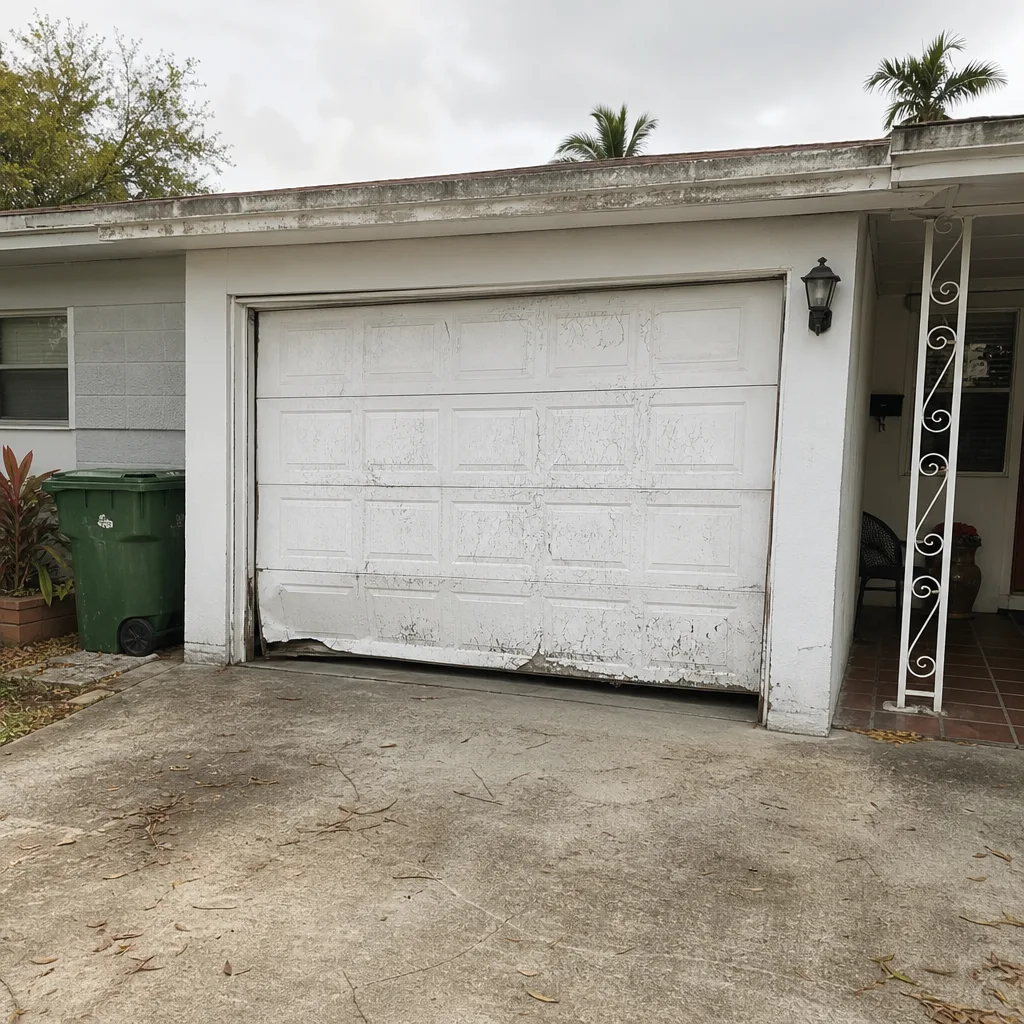 Before
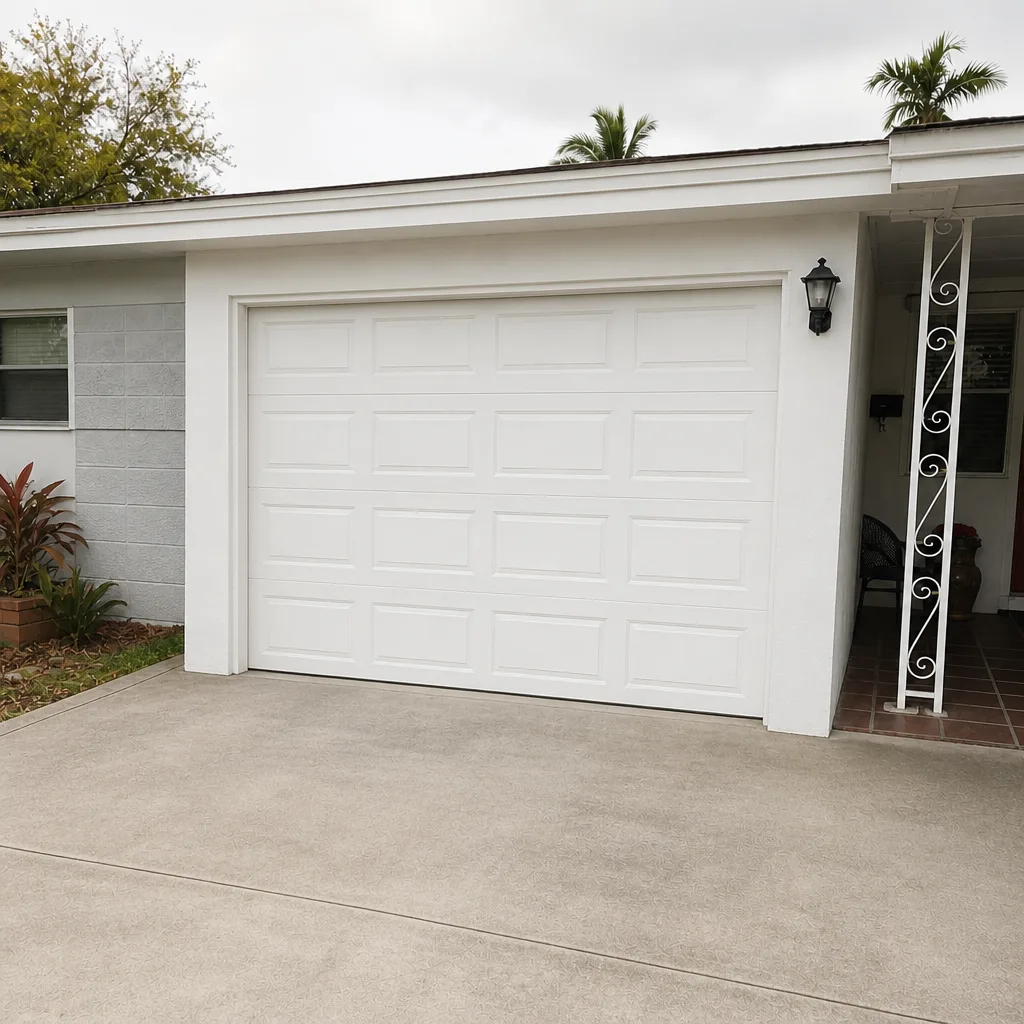 After
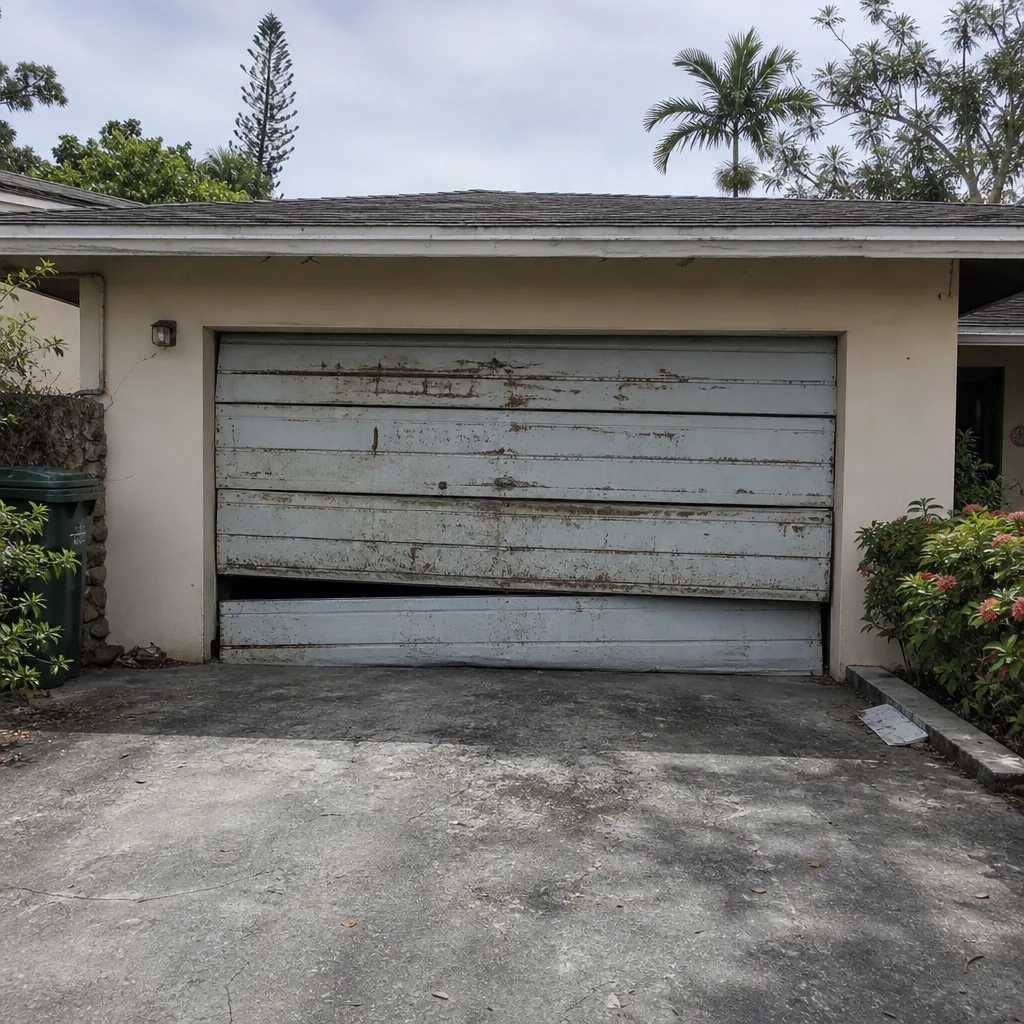 Before
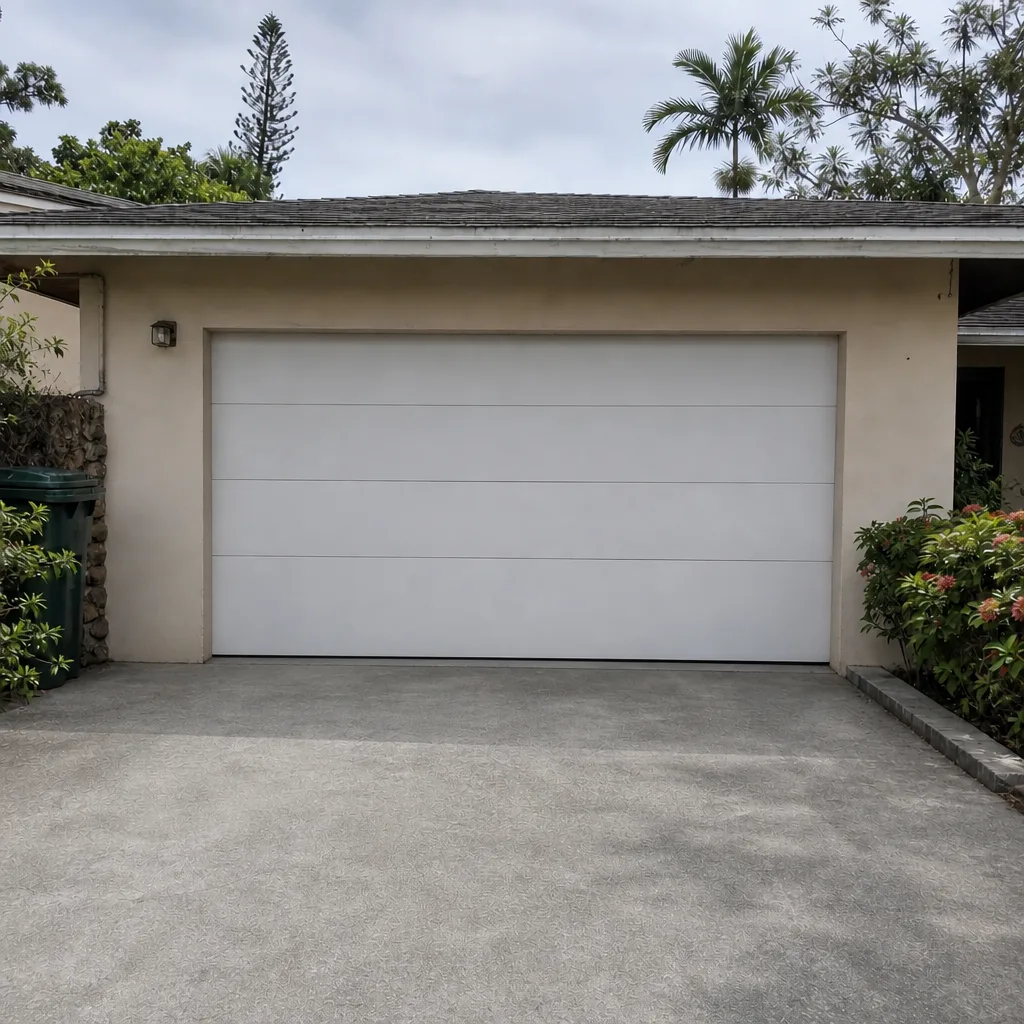 After
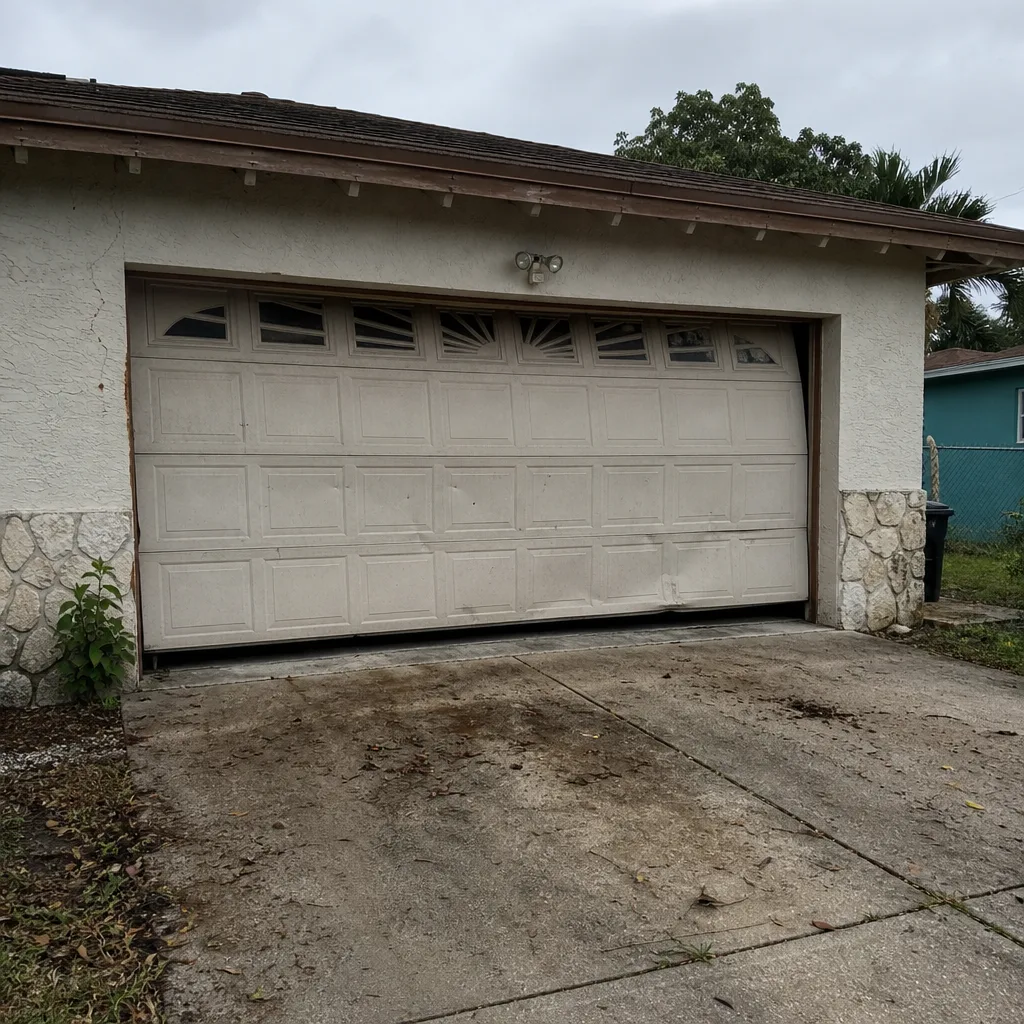 Before
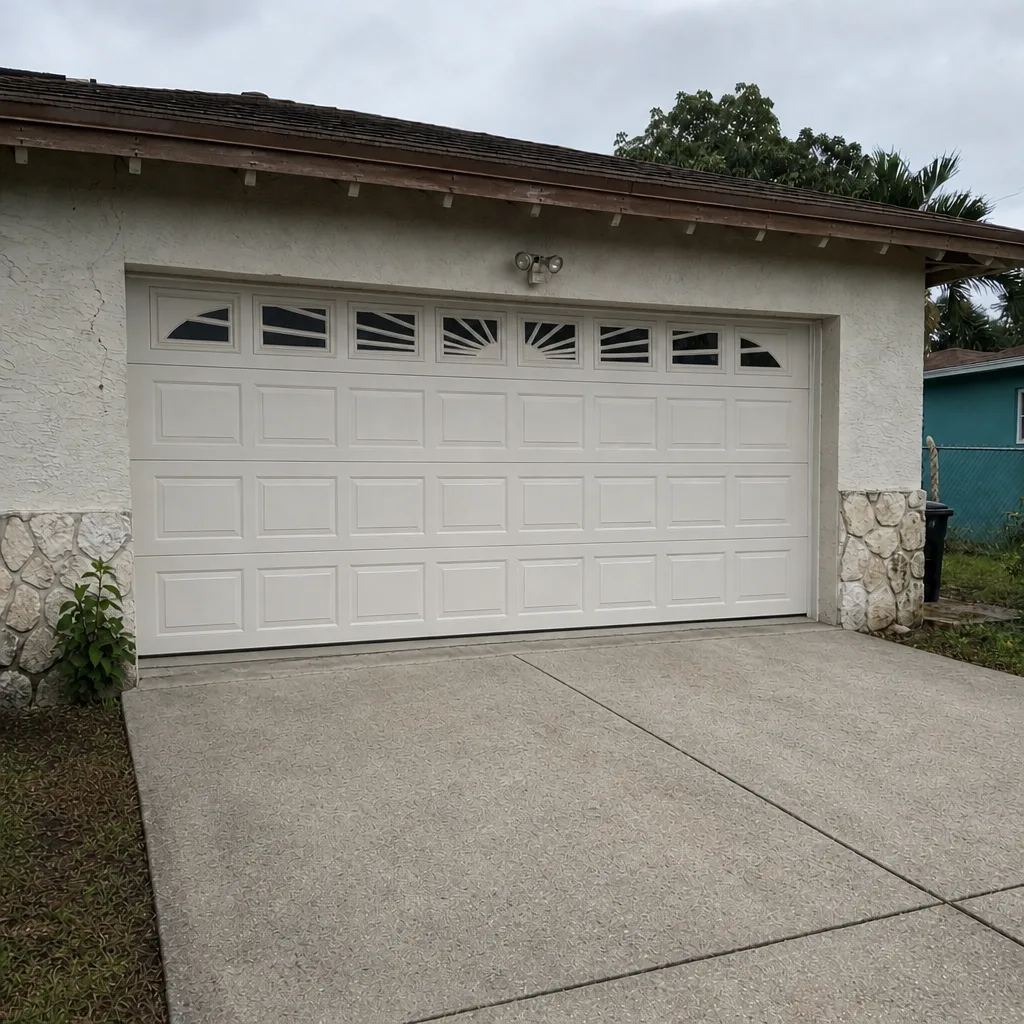 After
When to Call a Professional
Some problems are maintenance. Others are repairs that shouldn’t wait. Call us if your door is too heavy to lift by hand (that’s a spring problem), if the safety reverse test fails after cleaning the sensors, if you see a broken cable or a spring that’s visibly cracked or separated, or if the door is off its tracks. Those are the situations where continuing to operate the door causes more damage or creates a real hazard. The same goes for any storm damage that leaves the door misaligned or the tracks bent.
North Miami Garage Door Repair offers free estimates in North Miami – call (888) 923-0242. Our technicians have up to 9 years of experience, and we work on the major brands you’re likely to have, including Raynor, LiftMaster, Chamberlain, and Genie. If the door can be repaired, we’ll tell you. If it’s beyond saving, we handle installation too. Either way, the price is quoted and agreed before any work starts. For spring-specific problems, our garage door spring repair team handles the repair safely.
Frequently Asked Questions
Every two months for hinges and rollers, and every three months for the torsion springs. The heat in North Miami breaks down lubricant faster than in cooler climates, so a schedule built for a temperate place won’t do the job. Use white lithium grease or silicone spray, not a light oil. If the door starts running louder before your next scheduled lubrication, it’s fine to do it early. Call (888) 923-0242 for an exact quote on a professional service if you want it done right – estimates are free.
It means the springs are weak or broken and are no longer counterbalancing the door’s weight. That’s a serious problem – the opener is now lifting the full weight of the door, which strains the motor and can cause a cable to snap. Stop using the opener, pull the manual release, and call for service. In North Miami, we see this often after a spring has been slowly weakening under rust for months. Call (888) 923-0242. We answer 24/7. Fast dispatch from 7am to 7pm, Sunday through Friday.
Press the bottom seal with your thumb. If it doesn’t spring back, it’s dried out and needs replacing. Also look for daylight under the door when it’s closed, and check the floor inside the garage for water stains after a storm. In North Miami’s rain, a compromised seal lets water into the garage and can damage the door’s lower panels. If you’re not sure, we can check it during a visit – call (888) 923-0242 for a free estimate.
Yes, and you should, monthly. With the door closing, wave a broom handle across the sensor path near the floor. The door should stop and reverse. If it doesn’t, clean the sensor lenses first, then test again. If it still fails, don’t use the door – call for service. This is the most important safety check on your door, and it takes two minutes. Call (888) 923-0242 if your sensor won’t pass the test after cleaning.
Because the cycle ratings assume a stable, dry environment. North Miami’s humidity and airborne particulates accelerate corrosion on the spring coils, and corrosion creates stress points that lead to earlier failure. The heat also expands and contracts the metal more, which adds strain. That’s why a visual check for rust bloom every two weeks is worth more here than a schedule built for a drier climate. If you see rust, schedule an inspection – our garage door spring repair team can assess the remaining life.
Yes. A door that runs smoothly can still have a spring that’s about to fail, a cable that’s fraying, or an opener that’s straining. Those problems don’t show up in a visual check, and by the time they do, the door has stopped working. An annual inspection catches them while they’re still a repair rather than an emergency. Call (888) 923-0242 for a free estimate on an inspection in North Miami. We answer 24/7, with fast dispatch from 7am to 7pm, Sunday through Friday.
The Bottom Line
The maintenance schedule that works in North Miami is built around humidity, heat, and rain, not the dry-climate advice in most manuals. Check your springs for rust bloom every two weeks, lubricate with grease that holds up in the heat, inspect the weatherstripping after every storm, and test the safety sensors monthly with a clear pass/fail standard. Get a professional inspection once a year to catch what visual checks miss. Do those things and you’ll get more life out of your door and fewer surprises. If something’s already failing, don’t wait – call us at (888) 923-0242 for a free estimate. We work on the brands you have, and we’ll tell you the right fix, not just a quick fix.
Written by the team at North Miami Garage Door Repair.